

Choosing Positive Pressure or Negative Pressure for Gypsum Particle Pneumatic Conveying: How to Dist
Gypsum, a widely used industrial material in construction and manufacturing, often requires efficient and reliable transportation methods. Pneumatic conveying systems are a common solution for moving gypsum particles from one location to another. However, when selecting the right system, companies face a critical decision: should they opt for positive pressure or negative pressure conveying? The choice significantly impacts operational efficiency, cost, and safety. This article explores the key differences between positive and negative pressure systems for gypsum particle pneumatic conveying and provides guidance on how to make the right selection.
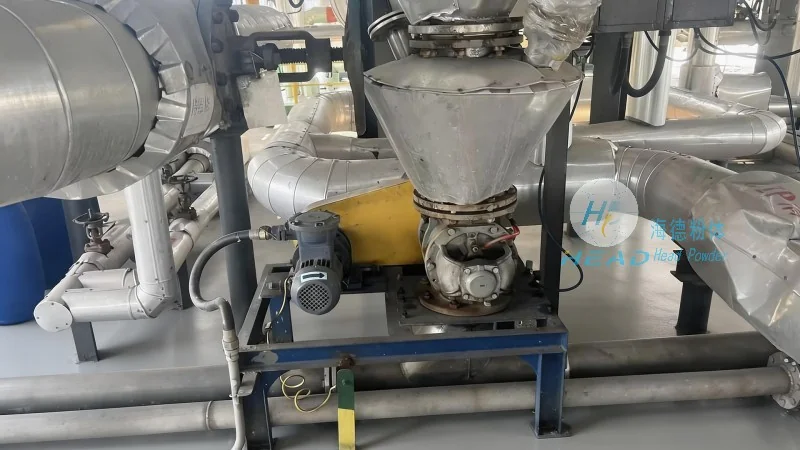
Understanding Pneumatic Conveying Systems
Pneumatic conveying uses compressed air or vacuum to transport bulk materials like gypsum through a pipeline. The two primary types are positive pressure and negative pressure systems. Positive pressure systems blow air into the pipeline, pushing the material forward, while negative pressure systems create a vacuum to draw material into the pipeline.
Positive Pressure Conveying Systems
Positive pressure systems are typically more robust and suitable for longer distances and complex layouts. They operate by forcing air and material through the pipeline, which can handle higher pressures and flow rates. For gypsum particles, this method is advantageous when the material needs to be transported over several hundred meters or more, especially with multiple branch lines. The high pressure capability allows for consistent flow and reduces the risk of blockages, making it ideal for industrial applications where reliability is paramount.
One of the key benefits of positive pressure systems is their ability to handle a wide range of particle sizes and moisture content. Gypsum particles, which can vary in size from fine powders to larger granules, can be effectively conveyed without significant degradation. Additionally, these systems are less susceptible to external air infiltration, which is crucial for maintaining material quality and preventing contamination.
Negative Pressure Conveying Systems
Negative pressure systems, on the other hand, operate by creating a vacuum in the pipeline, drawing material from the source. This method is often preferred for shorter distances and in environments where dust control is a primary concern. The vacuum helps contain dust, making it suitable for applications where air quality is critical, such as in food processing or pharmaceutical industries. However, negative pressure systems have limitations in terms of distance and material handling capacity.
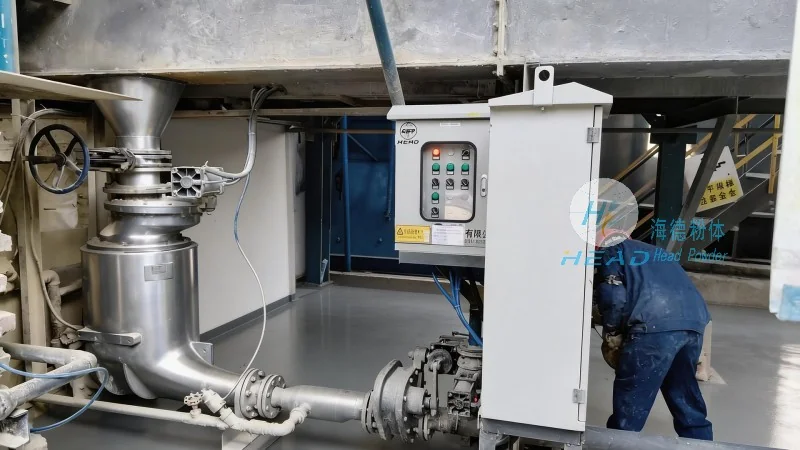
For gypsum particles, negative pressure systems are generally better suited for shorter transport routes, typically under 100 meters. They are also more energy-efficient in terms of power consumption compared to positive pressure systems, as they do not require high-pressure air compressors. However, the vacuum can sometimes lead to material degradation or clogging if the particles are too fine or have high moisture content.
Distinguishing Between Positive and Negative Pressure Systems
Choosing between positive and negative pressure systems for gypsum particle conveying depends on several factors. The most critical considerations include the distance between the source and destination, the layout of the conveying system (e.g., number of branches), the particle characteristics (size, moisture, density), and the environmental requirements (dust control, safety).
For instance, if the gypsum needs to be transported over long distances with multiple branch points, a positive pressure system is often the better choice due to its higher pressure and flow capacity. Conversely, if the application involves short distances and strict dust control, a negative pressure system may be more appropriate. The particle size and moisture content also play a role; fine gypsum powders may require a system with better filtration and air handling capabilities, which can be more effectively managed in a negative pressure setup.
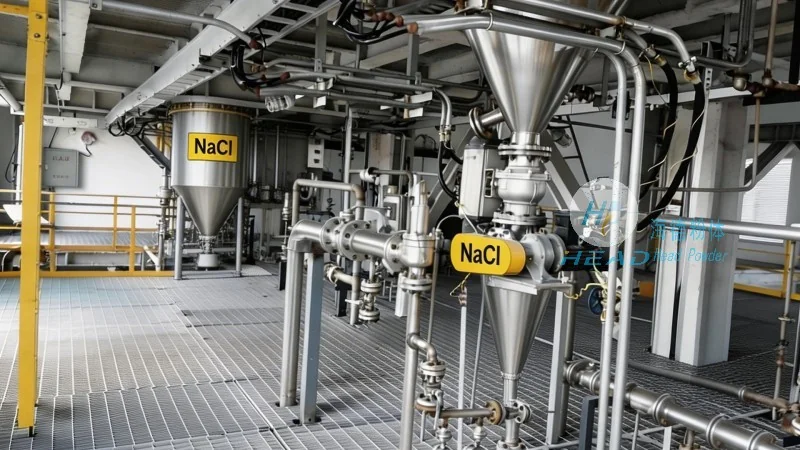
Key Considerations for Gypsum Particle Conveying
When selecting a pneumatic conveying system for gypsum, it is essential to evaluate the specific operational needs and constraints. The system must be able to handle the material's physical properties without causing degradation or blockages. For example, gypsum particles can be sensitive to moisture, and a system that maintains consistent temperature and humidity levels is crucial. Additionally, the choice of system affects maintenance and operational costs. Positive pressure systems may require more robust components and higher energy input, while negative pressure systems might need more frequent filter changes due to dust accumulation.
Another factor to consider is the overall system layout. Positive pressure systems can be more complex to install and maintain, especially with multiple branches, as they require careful pressure management to prevent backflow. Negative pressure systems, while simpler in design, may need additional equipment like dust collectors to manage the vacuum and prevent air leakage.
Conclusion
Ultimately, the decision between positive and negative pressure pneumatic conveying for gypsum particles hinges on balancing operational efficiency, cost, and safety. Positive pressure systems offer greater flexibility and capacity for long-distance and complex applications, while negative pressure systems excel in short-distance, dust-sensitive environments. By carefully assessing the specific requirements of the gypsum handling process, companies can select the most suitable system to ensure efficient and reliable material transport.
Shandong HeadPowder Engineering Co., Ltd., a leading provider of pneumatic conveying solutions, specializes in designing and manufacturing systems tailored to the unique needs of gypsum and other bulk materials. With years of experience in the industry, headpowder offers customized solutions that optimize performance and reduce operational costs. Based in Shandong, China, the company leverages advanced technology and engineering expertise to deliver high-quality conveying systems that meet the demands of modern industrial applications.