

Silicon Single Crystal Pneumatic Conveying: Choosing Positive Pressure or Negative Pressure? How to
When it comes to transporting silicon single crystals, the choice between positive pressure and negative pressure pneumatic conveying systems is a critical decision for manufacturers. Both methods have their own advantages and are suitable for different operational scenarios. Understanding the distinctions between these two approaches is essential for optimizing material handling efficiency and ensuring product integrity. This article explores the key factors to consider when selecting the appropriate conveying method for silicon single crystal applications, with a focus on the technical aspects and practical considerations that influence the decision-making process.
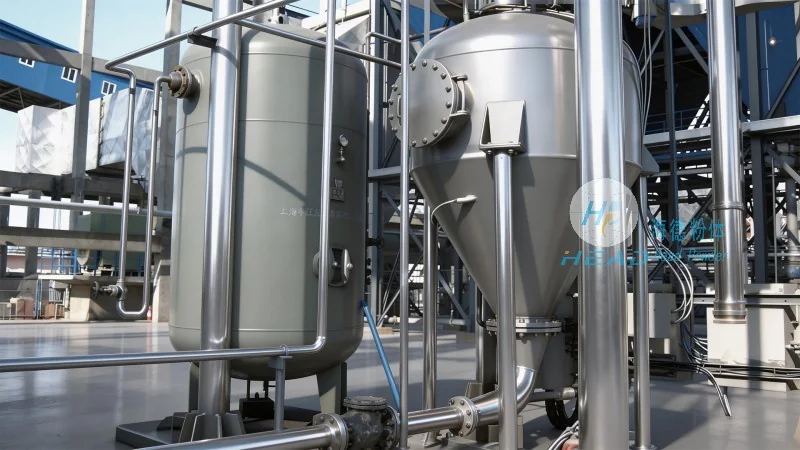
HeadPowder Engineering, a leading provider of specialized material handling solutions, offers expertise in designing and implementing pneumatic conveying systems tailored to the unique requirements of silicon single crystal production. With a deep understanding of the industry's challenges, the company's engineers evaluate various factors such as material properties, process flow, and environmental constraints to recommend the most effective conveying solution. The following sections provide a detailed comparison of positive pressure and negative pressure systems, helping users make an informed choice based on their specific operational needs.
Understanding Positive Pressure Pneumatic Conveying
Positive pressure pneumatic conveying systems operate by blowing air or gas into the conveying line, creating a pressure higher than the ambient air pressure. This method is commonly used for transporting materials over short to medium distances and is particularly effective for handling abrasive or sensitive materials like silicon single crystals. The high-pressure air stream propels the material through the pipeline, ensuring consistent flow and minimal product degradation.
One of the primary advantages of positive pressure systems is their ability to handle a wide range of material types, including those with high moisture content or sticky properties. The pressurized environment helps prevent material buildup and clogging, which can be a significant issue in negative pressure systems. Additionally, positive pressure conveying is generally more energy-efficient for short-distance applications, as the air is continuously recycled and reused within the system.
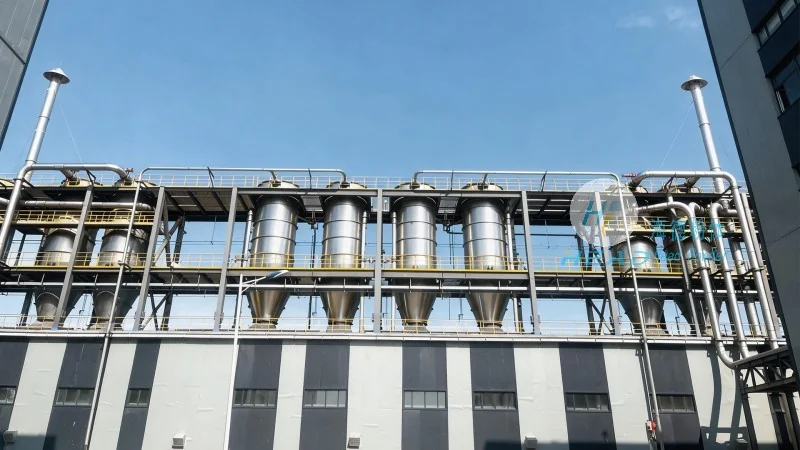
Key Features of Positive Pressure Conveying for Silicon Single Crystal Transport
For silicon single crystal manufacturers, positive pressure systems offer several key benefits. The high-pressure air flow ensures that even delicate or fragile crystals are transported without damage, maintaining their structural integrity. The system's design allows for easy integration with existing production lines, reducing the need for extensive modifications. Furthermore, positive pressure conveying can handle materials with varying particle sizes, making it versatile for different stages of the production process.
Exploring Negative Pressure Pneumatic Conveying
Negative pressure pneumatic conveying, also known as suction or vacuum conveying, operates by creating a vacuum in the conveying line, drawing material from the source into the system. This method is typically used for longer distances and is ideal for applications where the material needs to be transported from a lower elevation or from multiple sources. The vacuum pulls the material through the pipeline, ensuring a consistent flow and preventing dust emissions.
A major advantage of negative pressure systems is their ability to handle large volumes of material with minimal air consumption. The vacuum created in the line allows for efficient material collection from multiple points, making it suitable for batch processing or continuous production lines. Additionally, negative pressure conveying is often more cost-effective for long-distance applications, as the air is drawn from the environment rather than being pressurized.
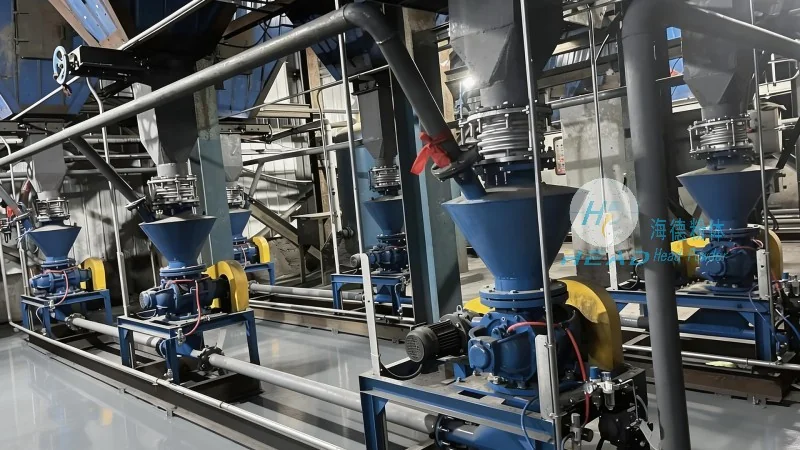
Key Considerations for Negative Pressure Conveying in Silicon Single Crystal Handling
When implementing negative pressure systems for silicon single crystal transport, several factors must be considered. The system's design must include efficient filtration to prevent dust accumulation and ensure compliance with environmental regulations. The vacuum pump must be capable of maintaining a consistent pressure level to avoid material blockages or system failures. Furthermore, negative pressure conveying may require additional equipment, such as cyclones or filters, to separate the material from the air stream, which can increase operational complexity.
Comparative Analysis: Positive vs. Negative Pressure Conveying
Comparing the two methods reveals distinct advantages and limitations. Positive pressure systems excel in short-distance, high-volume applications where material integrity is paramount. They are ideal for transporting delicate silicon single crystals over short distances, ensuring minimal damage and consistent flow. Conversely, negative pressure systems are better suited for long-distance or multi-source applications, offering cost-effective solutions for large-scale material handling.
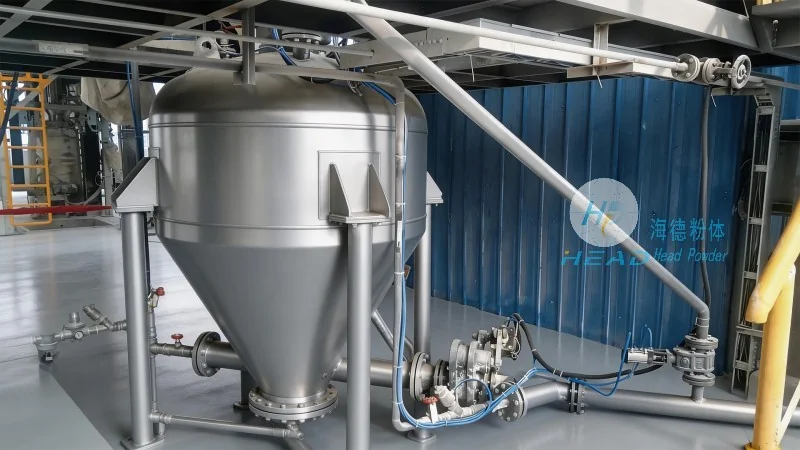
The choice between positive and negative pressure conveying depends on several factors, including the distance between the source and destination, the volume of material to be transported, and the specific properties of the silicon single crystals. Manufacturers must evaluate these factors carefully to select the most appropriate system for their operations. HeadPowder Engineering provides comprehensive assessments and customized solutions to help clients determine the optimal conveying method based on their unique requirements.
HeadPowder Engineering: Your Partner in Silicon Single Crystal Conveying Solutions
Shandong HeadPowder Engineering Co., Ltd., based in China, specializes in designing and manufacturing advanced pneumatic conveying systems for the semiconductor and silicon crystal industries. The company's team of experienced engineers leverages cutting-edge technology and industry best practices to deliver reliable, efficient, and cost-effective solutions. With a focus on customer satisfaction and operational excellence, HeadPowder Engineering ensures that each system is tailored to meet the specific needs of its clients, whether they require positive or negative pressure conveying.
By choosing HeadPowder Engineering, silicon single crystal manufacturers can benefit from expert guidance and high-quality equipment that enhances their production efficiency and product quality. The company's commitment to innovation and customer service makes it a trusted partner in the material handling industry. Whether you are considering a new system or upgrading an existing one, HeadPowder Engineering is ready to assist you in making the right choice for your silicon single crystal conveying needs.