

Working Principle and Features of a Polyvinylidene Fluoride (PVDF) Powder Pneumatic Conveying System
Shandong HeadPowder Engineering Co., Ltd., a leading enterprise based in Shandong, China, specializes in the design, manufacturing, and application of advanced powder handling systems. Among their portfolio is the Polyvinylidene Fluoride (PVDF) powder pneumatic conveying system, which is engineered to efficiently transport PVDF powder—a material widely used in chemical, pharmaceutical, and industrial applications due to its excellent chemical resistance and thermal stability.

Working Principle of the PVDF Powder Pneumatic Conveying System
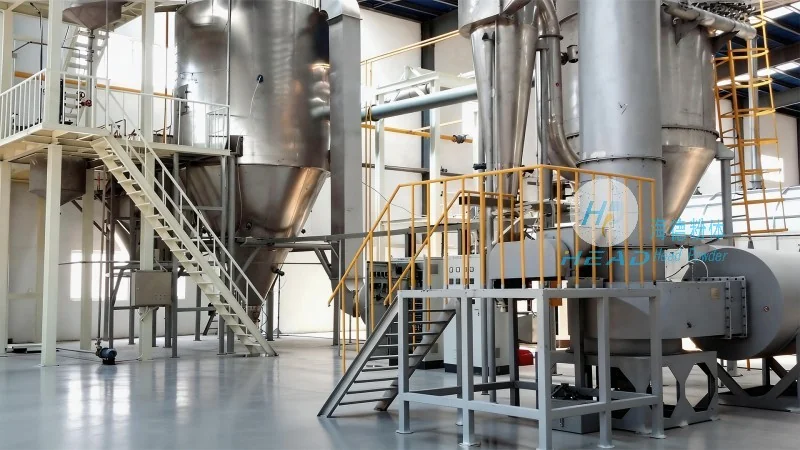
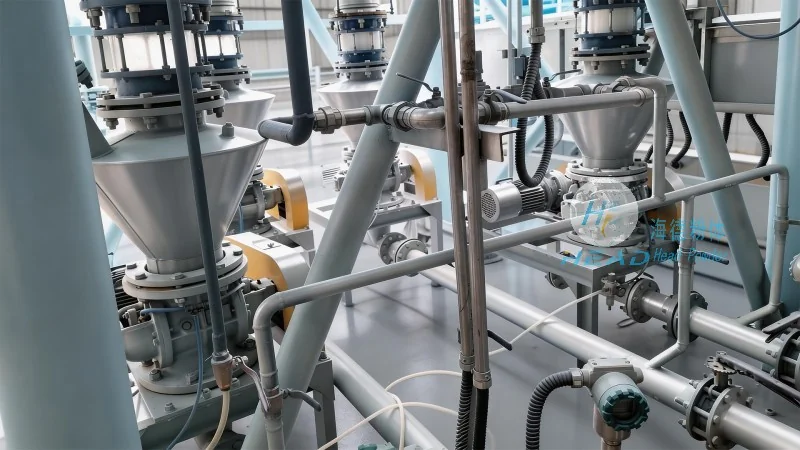
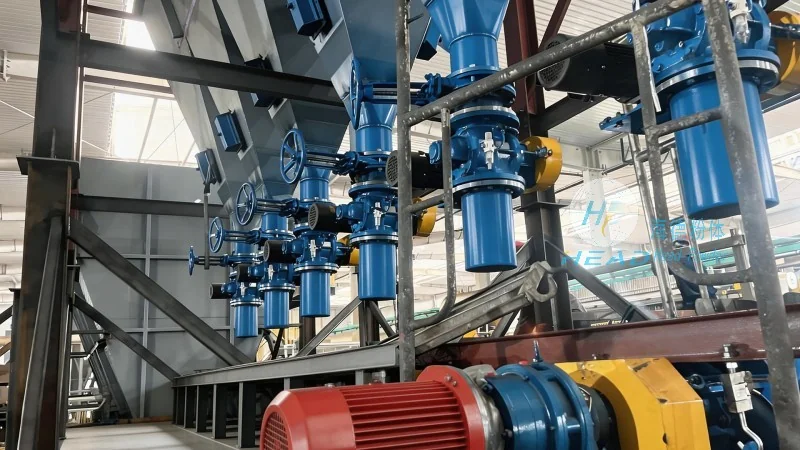
The PVDF powder pneumatic conveying system operates on the principle of pneumatic transport, where compressed air or other gases are used to move bulk powder materials through a pipeline. The system typically consists of several key components, including a hopper for material storage, a feeder to control the flow rate of the powder, a conveying line (often equipped with bends and elbows to navigate the system layout), and a receiver to collect the material at the destination. The process begins when the feeder releases a controlled amount of PVDF powder into the conveying line. Simultaneously, a high-pressure air stream is introduced, creating a flow that entrains the powder particles and propels them through the pipeline. The air velocity is carefully managed to ensure that the powder remains suspended in the air stream without settling or clogging the system. As the mixture travels, it may pass through various components such as filters or cyclones to separate any entrained air or fine particles, ensuring a clean and efficient transfer. The receiver then collects the PVDF powder, and the system continues to operate in a continuous or intermittent mode depending on the application requirements.
Key Features and Advantages of the PVDF Powder Pneumatic Conveying System
The PVDF powder pneumatic conveying system offers several distinct features that make it an ideal choice for handling PVDF powder. Firstly, it provides a dust-free and enclosed transport process, which is crucial for maintaining the purity of PVDF—a material sensitive to contamination. The system’s design minimizes exposure to external elements, reducing the risk of moisture or particulate contamination that could affect the material’s properties. Secondly, the system is highly efficient in terms of energy consumption and operational speed. By using compressed air to transport the powder, the system can move large volumes of material quickly and with minimal labor, making it suitable for high-throughput industrial applications. Thirdly, the system is flexible and adaptable to various plant layouts. The conveying line can be customized with different lengths, angles, and components to fit the specific requirements of a facility, allowing for easy integration into existing production lines. Additionally, the system is designed for durability and reliability, with components made from materials resistant to the corrosive properties of PVDF and the operating conditions of the system. This ensures long-term performance and reduces maintenance costs over the system’s lifespan. Fourthly, the system enhances safety by eliminating the need for manual handling of bulk PVDF powder, which can be hazardous if not handled properly. The enclosed design prevents dust inhalation and reduces the risk of accidents, aligning with modern industrial safety standards. Finally, the system contributes to environmental sustainability by minimizing waste and reducing the need for additional handling steps that could generate secondary emissions or contamination.
Applications and Industries Served
The PVDF powder pneumatic conveying system is widely used in industries where PVDF powder is a critical component. In the chemical industry, it is employed in the production of PVDF resins and coatings, where precise and contamination-free transport is essential to maintain product quality. The pharmaceutical industry also utilizes this system for transporting PVDF-based excipients or additives, as the enclosed and dust-free process ensures compliance with stringent regulatory standards. Additionally, the system is applied in the manufacturing of electronic components, where PVDF is used as a dielectric material, and in the production of specialty polymers and composites. The system’s ability to handle fine powders and maintain purity makes it suitable for applications requiring high standards of material integrity. Furthermore, in the food and beverage industry, while PVDF is not typically used, the system’s principles are adapted for handling other food-grade powders, demonstrating its versatility across different sectors.
Conclusion
Shandong HeadPowder Engineering Co., Ltd. has developed a robust and efficient PVDF powder pneumatic conveying system that addresses the unique challenges of transporting this specialized material. By leveraging pneumatic transport technology and incorporating advanced design features, the system ensures reliable, clean, and safe handling of PVDF powder. The company’s expertise in powder handling, combined with the system’s adaptability and durability, makes it a preferred solution for industries seeking to optimize their material transport processes. As a result, the PVDF powder pneumatic conveying system not only enhances operational efficiency but also contributes to the overall quality and safety of the end products, solidifying its position as a key technology in modern industrial applications.