

Working Principle and Features of a Powdered Glass Raw Material Pneumatic Conveying System
Shandong HeadPowder Engineering Co., Ltd., commonly known as headpowder, specializes in the design, manufacturing, and installation of advanced pneumatic conveying systems for the glass industry. With a focus on precision and efficiency, their systems are engineered to handle glass raw materials such as sand, soda ash, limestone, and other powders, ensuring optimal performance in glass production facilities.
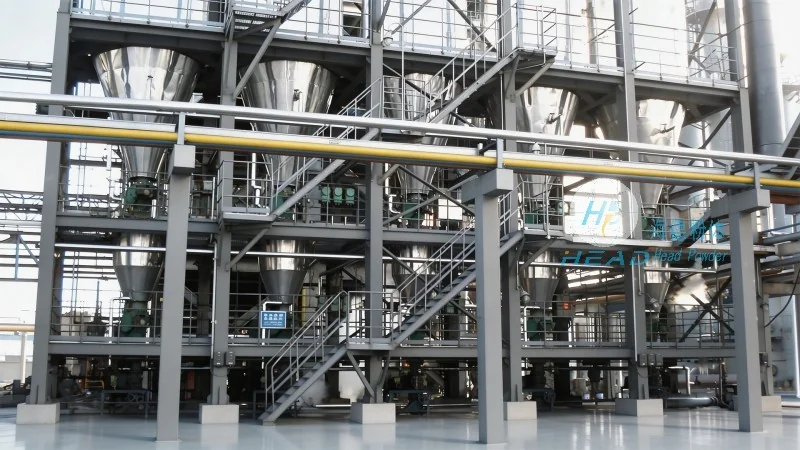
Understanding the Working Principle of Powdered Glass Raw Material Pneumatic Conveying Systems
The core of a pneumatic conveying system for glass raw materials lies in its ability to transport dry powders through a closed pipeline using air pressure. This method, known as pneumatic conveying, eliminates the need for mechanical components like belts or buckets, reducing maintenance and increasing system reliability. The system typically operates under either positive pressure (where air is forced through the pipeline) or negative pressure (where air is drawn out, creating a vacuum). For glass raw materials, positive pressure systems are more common due to their efficiency in moving larger quantities of material over longer distances.
Key components of a typical system include a feeder to introduce the glass powder into the pipeline, a blower or compressor to generate the air flow, a conveying pipeline that transports the material, and a separator to separate the powder from the air at the destination. The feeder, often a rotary valve or a star feeder, ensures a consistent flow of material, preventing blockages and maintaining system stability. The blower or compressor provides the necessary air pressure, with the choice of equipment depending on the material's properties, such as particle size, density, and moisture content. The conveying pipeline is usually made of stainless steel or other corrosion-resistant materials to withstand the abrasive nature of glass powders and prevent contamination.
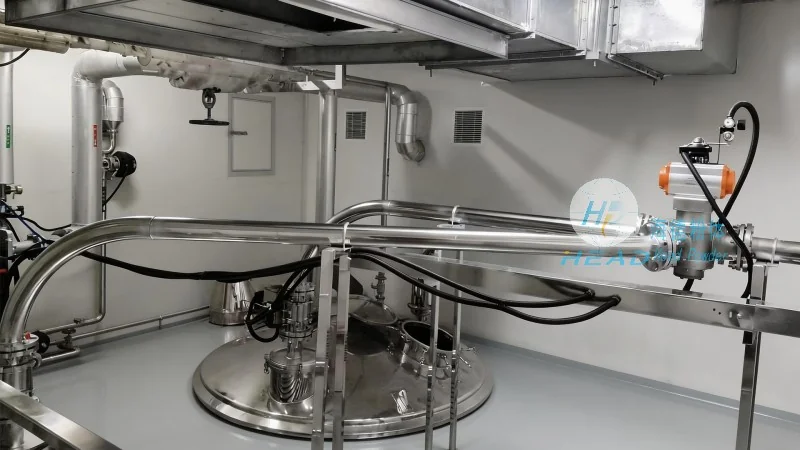
Key Features of Pneumatic Conveying Systems for Glass Raw Materials
Headpowder's pneumatic conveying systems for glass raw materials are designed with several distinct features that enhance their performance and adaptability. One of the primary advantages is the ability to handle a wide range of glass powders, from fine particles to larger aggregates, without compromising system efficiency. This flexibility is crucial in glass production, where different raw materials may have varying particle sizes and flow characteristics.
Another notable feature is the system's high efficiency in material transport. By using air pressure to move the powder, the system can achieve high throughput rates, reducing downtime and increasing overall production capacity. The closed pipeline design also minimizes dust emissions, improving workplace safety and compliance with environmental regulations. This is particularly important in glass manufacturing, where dust control is a critical factor for both worker health and environmental protection.
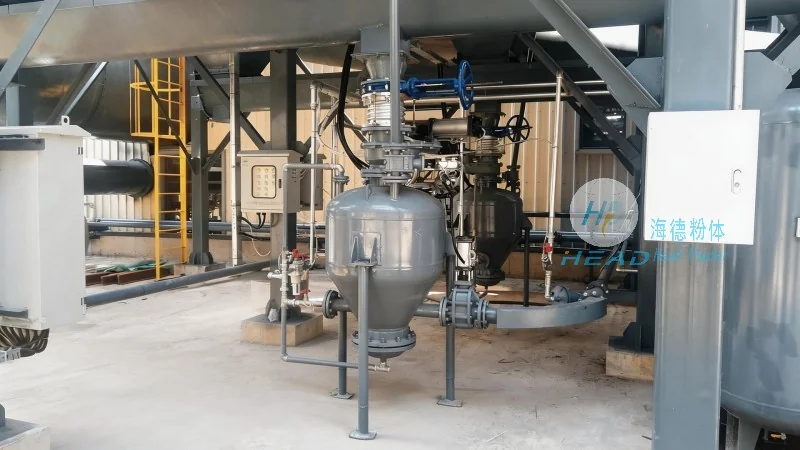
Reliability is a key characteristic of headpowder's systems. The absence of moving parts in the pipeline reduces the risk of mechanical failure, and the use of durable materials ensures long-term operation with minimal maintenance. Additionally, the system's ability to operate under different pressure conditions allows for customization to fit specific plant layouts and production requirements. This adaptability makes the systems suitable for both new installations and retrofitting existing glass production lines.
Benefits of Implementing a Pneumatic Conveying System for Glass Raw Materials
Adopting a pneumatic conveying system from Shandong HeadPowder Engineering Co., Ltd. offers several significant benefits for glass manufacturers. The most obvious advantage is improved operational efficiency, as the system reduces material handling time and increases production throughput. By eliminating the need for manual or mechanical handling of glass powders, the system minimizes the risk of product contamination and ensures consistent quality in the final glass products.
Cost savings are another major benefit. While the initial investment in a pneumatic conveying system may be higher than traditional methods, the long-term savings from reduced maintenance, lower energy consumption, and minimized material loss make it a cost-effective solution. The system's ability to handle large volumes of material over long distances also reduces the need for additional storage or handling equipment, further optimizing operational costs.
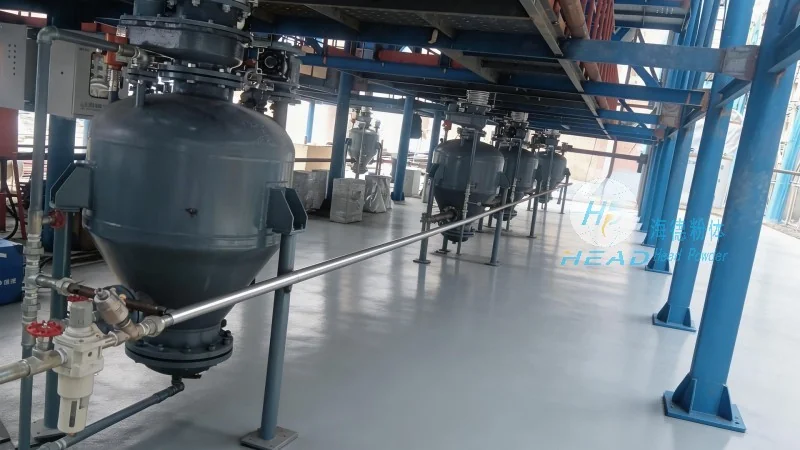
Environmental benefits are also a critical consideration. The closed pipeline design significantly reduces dust emissions, improving air quality in the workplace and complying with environmental regulations. This not only enhances worker safety but also contributes to a more sustainable manufacturing process. Additionally, the system's energy efficiency, particularly with modern blower and compressor technologies, reduces the overall carbon footprint of the glass production facility.
Conclusion
Shandong HeadPowder Engineering Co., Ltd.'s pneumatic conveying systems for glass raw materials represent a sophisticated solution for modern glass production. By understanding the working principles and leveraging the key features of these systems, glass manufacturers can enhance operational efficiency, reduce costs, and improve environmental performance. With their expertise in engineering and manufacturing, headpowder provides reliable and customized solutions that meet the specific needs of glass production facilities, ensuring optimal performance and long-term success.