

Working Principle and Features of a Potassium Carbonate Fertilizer Powder Pneumatic Conveying System
For those in the fertilizer industry, especially those handling potassium carbonate fertilizer in powder form, the efficiency and reliability of material handling systems are critical. A pneumatic conveying system specifically designed for such applications offers a robust solution. This article explores the working principle and key features of a potash fertilizer powder pneumatic conveying system, highlighting how it addresses the unique challenges of transporting this essential agricultural input.
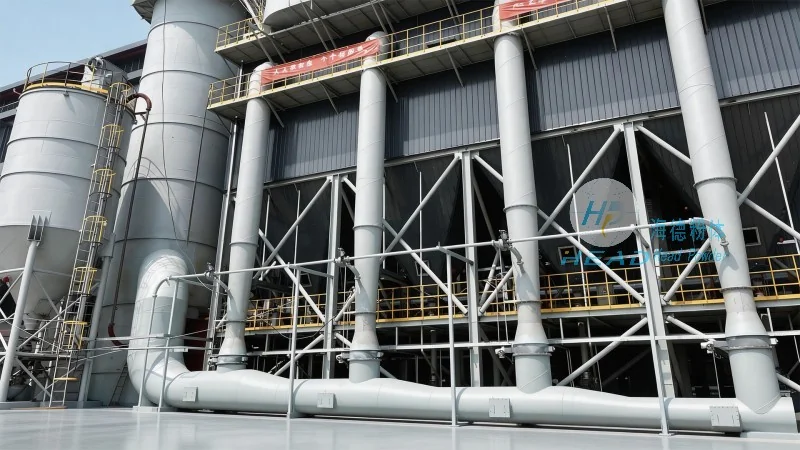
Understanding the Working Principle of the Potassium Carbonate Fertilizer Powder Pneumatic Conveying System
The core of a pneumatic conveying system is the use of air to transport solid materials. In the case of a potassium carbonate fertilizer powder system, the process begins with the material being fed into a hopper or feeder. From there, the powder is drawn into a pipeline by a vacuum or pressure source, depending on the system design. The air, often mixed with the powder, moves through the pipeline to the destination point, such as a storage silo or processing unit. The system typically includes components like a rotary valve, a filter, and a dust collector to ensure efficient and clean operation. The working principle leverages the kinetic energy of the air to move the powder, minimizing the need for mechanical components that could cause wear or contamination.
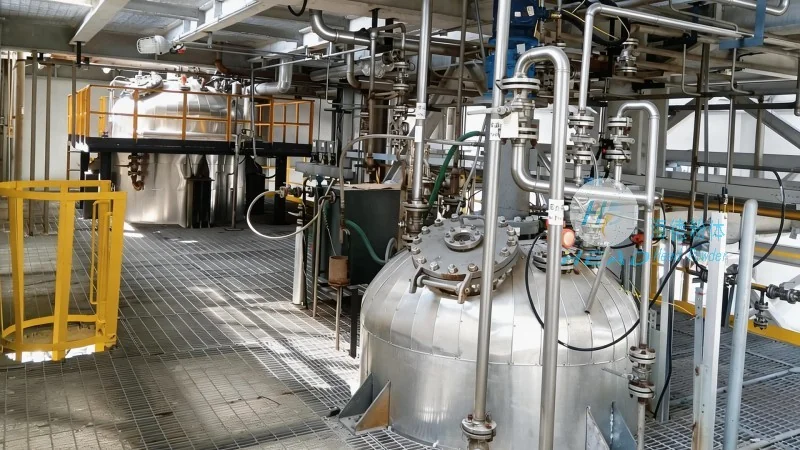
Key Features of the Potassium Carbonate Fertilizer Powder Pneumatic Conveying System
Several distinctive features make this system ideal for transporting potassium carbonate fertilizer. First, it offers a dust-free operation, which is crucial for maintaining a safe and healthy working environment. The enclosed system prevents dust from escaping into the air, reducing the risk of respiratory issues for workers and minimizing environmental contamination. Second, the system provides high efficiency in material transfer, with the ability to handle large volumes of powder quickly and reliably. This is particularly important for agricultural operations that require consistent and timely delivery of fertilizer to fields. Third, the system is designed for durability and low maintenance. Components are built to withstand the abrasive nature of the powder, and the system includes features like self-cleaning filters to reduce downtime and operational costs. Additionally, the system can be customized to fit specific site requirements, ensuring optimal performance for each application.
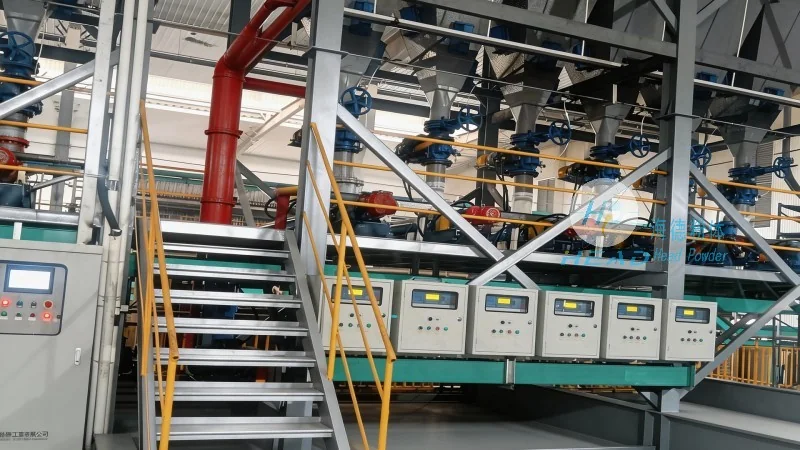
How Shandong HeadPowder Engineering Co., Ltd. Enhances the System
Shandong HeadPowder Engineering Co., Ltd., a leading manufacturer based in China, specializes in designing and manufacturing advanced pneumatic conveying systems for various industrial applications, including fertilizer handling. The company's expertise lies in tailoring systems to meet the specific needs of clients, ensuring that the equipment not only performs efficiently but also adheres to safety and environmental standards. With a focus on innovation and quality, HeadPowder provides comprehensive solutions that integrate seamlessly into existing operations. The company's commitment to customer satisfaction and product reliability has made it a trusted partner in the fertilizer industry, offering systems that enhance productivity while maintaining operational safety.
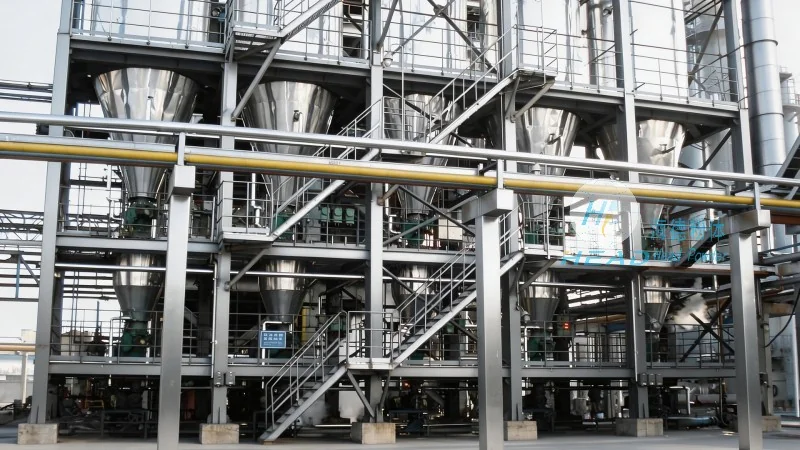
Conclusion: The Benefits of a Specialized Pneumatic Conveying System for Potassium Carbonate Fertilizer
In conclusion, a potash fertilizer powder pneumatic conveying system is a vital piece of equipment for any operation dealing with potassium carbonate fertilizer. Its working principle, based on air movement, offers a clean, efficient, and reliable method of material transfer. The key features, including dust-free operation, high efficiency, and durability, make it a superior choice compared to traditional mechanical systems. By choosing a system from a reputable manufacturer like Shandong HeadPowder Engineering Co., Ltd., businesses can ensure they have a solution that meets their operational needs while adhering to industry standards. This investment in a specialized pneumatic conveying system not only improves productivity but also contributes to a safer and more sustainable working environment.