

Working Principle and Features of Anhydrous Sodium Sulfate Powder Pneumatic Conveying Equipment
HeadPowder, a leading manufacturer based in Shandong, China, specializes in providing advanced solutions for the efficient handling of anhydrous sodium sulfate powder through pneumatic conveying systems. This equipment is designed to meet the demands of various industrial applications, ensuring reliable and safe material transport. The following sections will explore the working principle and key features of this equipment, highlighting its advantages and practical applications.
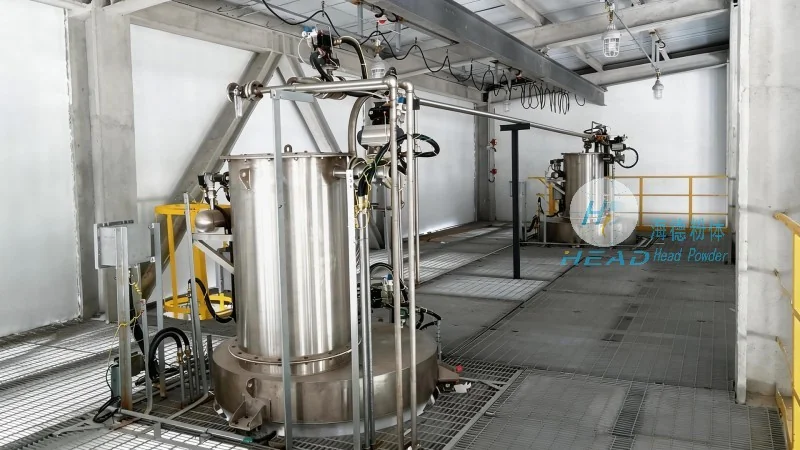
The Working Principle of Pneumatic Conveying Systems for Anhydrous Sodium Sulfate
The pneumatic conveying equipment for anhydrous sodium sulfate operates on the principle of using air or gas to transport dry powder materials. The system typically consists of a hopper, a conveyor line, and a receiver. The process begins with the powder being fed into the hopper, where it is then drawn into the conveyor line by a vacuum or pressure source. As the air flows through the system, it carries the powder particles along the pipeline, delivering them to the desired destination. The design of the system ensures that the powder is conveyed without the need for mechanical components like belts or screws, which can be prone to wear and maintenance issues. This pneumatic approach offers a more hygienic and efficient method for transporting sensitive materials such as anhydrous sodium sulfate, which is commonly used in industries like glass manufacturing, paper production, and chemical processing.
Key Features of the Anhydrous Sodium Sulfate Powder Pneumatic Conveying Equipment
HeadPowder's pneumatic conveying equipment for anhydrous sodium sulfate is equipped with several notable features that enhance its performance and reliability. Firstly, the system utilizes a high-efficiency air pump or fan to generate the necessary pressure or vacuum, ensuring consistent and stable material transport. The conveyor line is constructed from durable materials, such as stainless steel or food-grade plastics, which are resistant to corrosion and chemical exposure, making it suitable for handling various industrial powders. Additionally, the equipment includes a dust collection system to minimize air pollution and maintain a clean working environment. The design also incorporates adjustable flow control mechanisms, allowing operators to regulate the speed and volume of the powder transfer, which is crucial for maintaining product quality and preventing clogging. Another important feature is the self-cleaning capability of the system, which helps to prevent material buildup and ensures long-term operational efficiency. These features collectively contribute to the equipment's ability to handle anhydrous sodium sulfate with precision and reliability, meeting the stringent requirements of modern industrial processes.
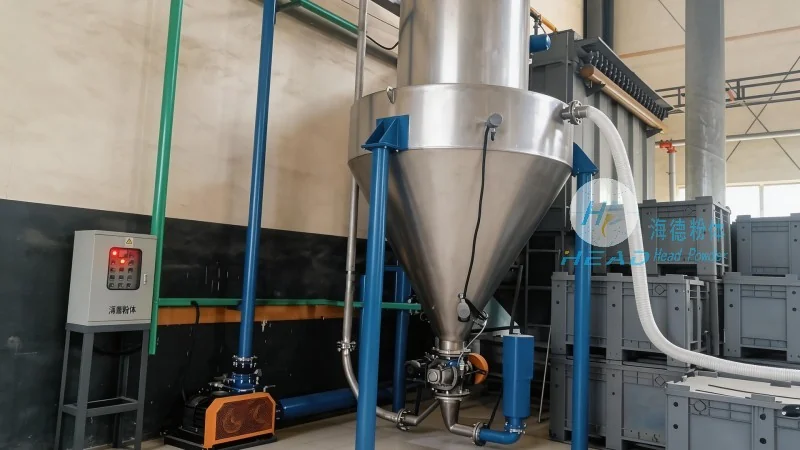
Advantages of Using Pneumatic Conveying for Anhydrous Sodium Sulfate
Implementing pneumatic conveying systems for anhydrous sodium sulfate offers several significant advantages over traditional mechanical conveying methods. One of the primary benefits is the reduction in material handling time and labor costs. By eliminating the need for manual loading and unloading, the system automates the entire transport process, increasing productivity and efficiency. Furthermore, the pneumatic approach minimizes product contamination and degradation, as the powder is not exposed to mechanical friction or excessive heat. This is particularly important for anhydrous sodium sulfate, which is sensitive to moisture and temperature changes. The system also provides better control over the powder flow, reducing the risk of overloading or underloading, which can lead to process inefficiencies. Another advantage is the improved safety aspect, as the equipment operates with enclosed pipelines, preventing dust emissions and reducing the risk of accidents. Overall, the use of pneumatic conveying for anhydrous sodium sulfate enhances operational safety, reduces maintenance requirements, and ensures consistent product quality, making it a preferred choice for many industrial applications.
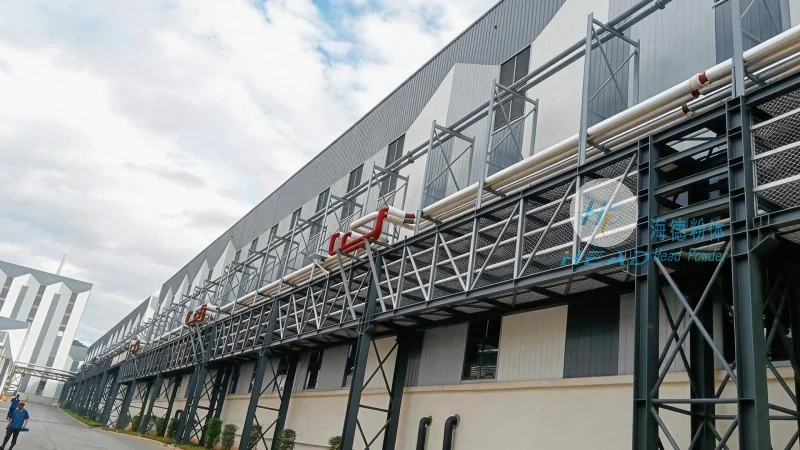
Applications and Industries Served by the Equipment
The anhydrous sodium sulfate powder pneumatic conveying equipment from HeadPowder is widely used in various industries that require the efficient transport of dry powders. In the glass manufacturing industry, the equipment is used to convey raw materials such as sodium sulfate to the production lines, ensuring a steady supply of high-quality ingredients. The paper industry also benefits from this equipment, as it efficiently transports sodium sulfate used in the paper coating and sizing processes. Additionally, the chemical processing industry utilizes the system to handle sodium sulfate in chemical reactions and production lines, where precise material control is essential. The equipment is also suitable for other industries, including food processing and pharmaceuticals, where the hygienic and reliable transport of powders is critical. By providing a versatile and efficient solution, HeadPowder's pneumatic conveying equipment supports the operational needs of these industries, contributing to improved productivity and cost-effectiveness.
Conclusion and Company Information
HeadPowder, with its headquarters in Shandong, China, is committed to delivering high-quality pneumatic conveying solutions for anhydrous sodium sulfate powder. The company's expertise in engineering and manufacturing ensures that the equipment meets the highest standards of performance, reliability, and safety. By leveraging advanced technology and robust design, HeadPowder's pneumatic conveying systems provide industries with an efficient and cost-effective method for handling anhydrous sodium sulfate. The working principle and key features of the equipment, as discussed, highlight its advantages in terms of efficiency, hygiene, and operational flexibility. For businesses seeking to optimize their material handling processes, HeadPowder's solutions offer a reliable and sustainable approach to transporting anhydrous sodium sulfate, supporting their long-term operational goals.