

Aluminum Powder Pneumatic Conveying: Positive Pressure vs. Negative Pressure - How to Differentiate?
When handling aluminum powder, selecting the appropriate pneumatic conveying system is crucial for efficiency, safety, and operational reliability. Two primary methods dominate the industry: positive pressure and negative pressure systems. Understanding the differences between these approaches and how to choose the right one for your application is essential for optimizing material transport. This article explores the key characteristics of both positive and negative pressure systems, outlines the factors influencing the selection process, and provides guidance on how to differentiate between them based on specific operational requirements.
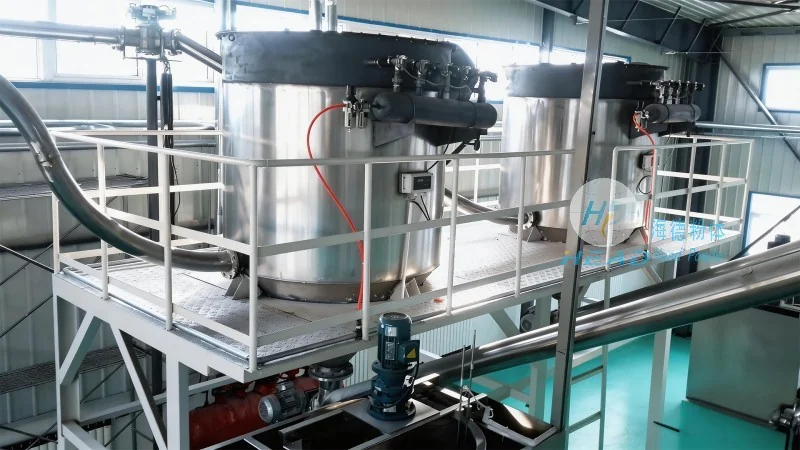
Positive Pressure Pneumatic Conveying Systems
Positive pressure systems operate by blowing air or gas into the conveying line, creating a pressure higher than the ambient environment. This method is often preferred for aluminum powder due to its ability to handle abrasive or sensitive materials without causing degradation. The pressurized air pushes the powder through the pipeline, ensuring consistent flow and minimizing the risk of material degradation from friction or impact. For aluminum powder, which is lightweight and can be prone to static discharge, positive pressure systems offer better control over particle movement and can reduce the likelihood of dust accumulation or explosion hazards. The system typically includes a blower, a hopper for material storage, and a conveying line that transports the powder to the destination. The positive pressure approach is particularly effective for long-distance or high-capacity applications, as it can maintain consistent pressure and flow rates over extended distances. However, it may require more robust equipment and higher energy consumption compared to negative pressure systems.
Negative Pressure Pneumatic Conveying Systems
Negative pressure systems, also known as vacuum systems, operate by creating a vacuum in the conveying line, drawing material from the source into the system. This method is often used for materials that are less abrasive or for applications where the material is already in a dusty or fine state. The vacuum pulls the aluminum powder from the hopper or storage area into the pipeline, moving it to the destination. Negative pressure systems are generally more energy-efficient and can be simpler to install for shorter distances. However, they may be less effective for handling large quantities of aluminum powder or for materials that are prone to clogging or degradation due to the lower pressure and potential for particle separation. The system typically includes a vacuum pump, a filter to capture fine particles, and a collection hopper at the receiving end. The negative pressure approach is suitable for applications where the material is already in a fine state or where the distance is short, as the vacuum can maintain sufficient suction to move the powder without excessive energy use.
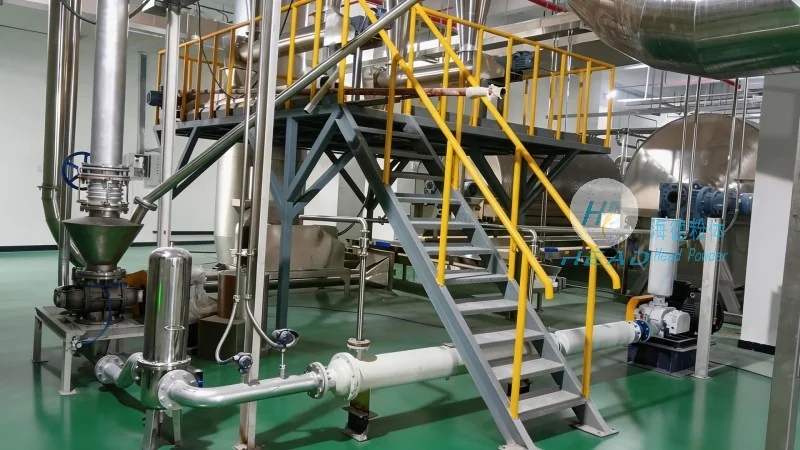
Key Factors in Choosing Between Positive and Negative Pressure Systems
The decision between positive and negative pressure pneumatic conveying for aluminum powder depends on several critical factors. First, the material characteristics of the aluminum powder, such as particle size, density, and moisture content, play a significant role. For example, fine aluminum powders may be better suited to negative pressure systems due to their lower density and tendency to flow freely under vacuum. Conversely, larger or more abrasive particles may require the higher pressure and force of a positive pressure system to ensure consistent transport. Second, the distance and layout of the conveying system are important considerations. Positive pressure systems are generally more effective for longer distances, as they can maintain pressure and prevent material settling in the pipeline. Negative pressure systems are more suitable for shorter distances or when the material is already in a fine state, as the vacuum may not be sufficient to move larger or heavier particles over extended distances. Third, the operational environment and safety requirements must be evaluated. Positive pressure systems can help reduce the risk of dust explosions by maintaining a positive pressure that prevents external air from entering the system, while negative pressure systems may require additional safety measures to prevent dust leakage. Fourth, the energy consumption and equipment costs are key factors. Positive pressure systems typically require more powerful blowers and higher energy input, which can increase operational costs. Negative pressure systems, while more energy-efficient, may require more robust filtration systems to capture fine particles and prevent environmental contamination. Finally, the existing infrastructure and space constraints should be considered. Positive pressure systems may require more space for the blower and storage hoppers, while negative pressure systems can be more compact and easier to integrate into existing facilities.
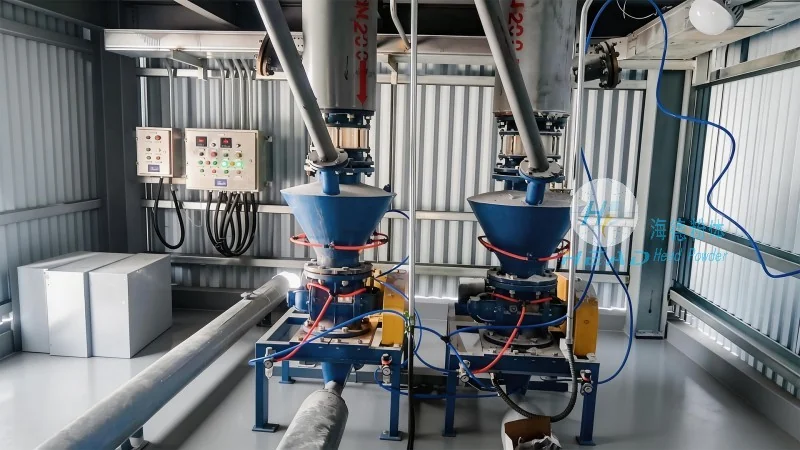
Distinguishing Between Positive and Negative Pressure Systems
Differentiating between positive and negative pressure pneumatic conveying systems for aluminum powder involves evaluating several key characteristics. First, observe the pressure differentials in the system. Positive pressure systems operate at pressures above atmospheric, typically ranging from 1 to 10 bar, while negative pressure systems operate at pressures below atmospheric, often around -0.5 to -1 bar. Measuring the pressure at different points in the pipeline can help identify the system type. Second, check the direction of material flow. In positive pressure systems, material is pushed through the pipeline by the pressurized air, while in negative pressure systems, material is pulled into the system by the vacuum. Observing the movement of the powder in the pipeline can indicate the direction of flow and thus the system type. Third, examine the equipment used. Positive pressure systems include blowers and pressurized hoppers, while negative pressure systems use vacuum pumps and filters. The presence of these components can help distinguish between the two approaches. Fourth, consider the operational noise and energy consumption. Positive pressure systems tend to be noisier and consume more energy due to the higher pressure requirements, while negative pressure systems are generally quieter and more energy-efficient. Finally, evaluate the safety features. Positive pressure systems often include explosion-proof designs and pressure relief valves to prevent over-pressurization, while negative pressure systems may require dust collection systems and air filtration to prevent dust leakage. By carefully assessing these factors, you can accurately determine whether a positive or negative pressure system is appropriate for your aluminum powder conveying needs.
Conclusion and Recommendations
Choosing between positive and negative pressure pneumatic conveying systems for aluminum powder requires a thorough evaluation of material characteristics, operational requirements, and safety considerations. Positive pressure systems offer superior control and are ideal for handling abrasive or sensitive materials over long distances, while negative pressure systems are more energy-efficient and suitable for shorter distances or fine powders. Understanding the key differences in pressure, material flow, equipment, and operational characteristics is essential for making an informed decision. For aluminum powder applications, it is recommended to consult with a specialized engineering company that can provide tailored solutions based on your specific needs. Shandong HeadPowder Engineering Co., Ltd., a leading provider of pneumatic conveying systems, offers expertise in designing and implementing both positive and negative pressure systems for aluminum powder handling. With years of experience in the industry, HeadPowder can help you select the most appropriate system to optimize your material transport operations, ensuring efficiency, safety, and reliability. Whether you need a positive pressure system for long-distance transport or a negative pressure system for short-distance handling, HeadPowder provides comprehensive solutions tailored to your operational requirements. By leveraging their expertise and advanced technology, you can enhance your aluminum powder handling processes and achieve better results in your production or processing activities.