

Co Hydroxide Pneumatic Conveying: Positive vs. Negative Pressure - How to Distinguish?
When it comes to the pneumatic conveying of cobalt hydroxide, selecting the right pressure system is crucial for efficiency, cost-effectiveness, and operational safety. The two primary options are positive pressure and negative pressure systems. Understanding the differences between these two approaches is essential for making an informed decision. This article, brought to you by Shandong HeadPowder Engineering Co., Ltd., a leading provider of material handling solutions in China, will explore the characteristics, advantages, and key factors to consider when choosing between positive and negative pressure for cobalt hydroxide pneumatic conveying, helping you distinguish the best solution for your specific needs.
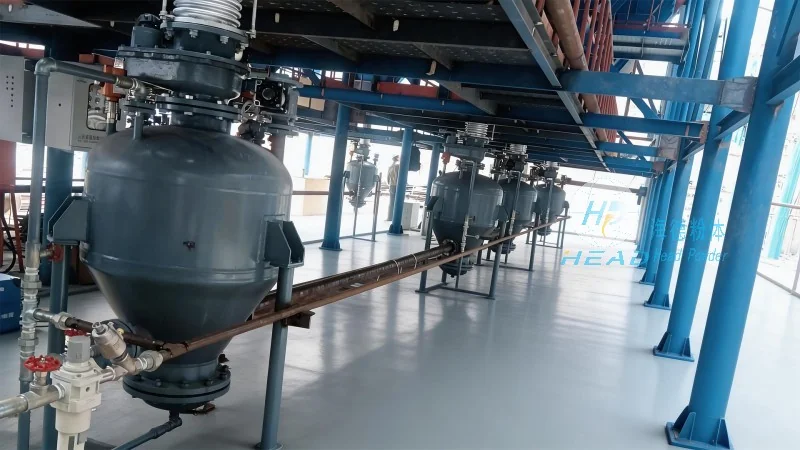
Introduction to Cobalt Hydroxide Pneumatic Conveying
Cobalt hydroxide is a critical material in the battery and chemical industries, often requiring efficient and reliable transportation from production to processing or storage. Pneumatic conveying offers a non-contact, low-maintenance method to move this material, but the choice of pressure system significantly impacts performance. Positive pressure and negative pressure are the two main categories, each with distinct mechanisms and applications.
Understanding Positive Pressure Pneumatic Conveying
Positive pressure pneumatic conveying operates by blowing air or gas into the conveying line, creating a pressure higher than the ambient air pressure. This method pushes the material through the system, making it suitable for long-distance and high-capacity applications. The system typically includes a blower or compressor at the inlet, feeding air into the line and carrying the material forward.
For cobalt hydroxide, positive pressure systems are often preferred when dealing with large volumes or when the material needs to be transported over significant distances. The continuous flow of air ensures that the material is consistently moved without clogging, which is particularly important for a fine powder like cobalt hydroxide. The positive pressure also helps maintain the material's integrity, preventing it from being damaged or agglomerating during transport.
Advantages of Positive Pressure Conveying
One of the main advantages of positive pressure systems is their ability to handle long distances and high material loads. The consistent air flow ensures that the material is conveyed smoothly, reducing the risk of blockages or system failures. Additionally, positive pressure systems are generally more energy-efficient for high-volume applications, as the blower can operate at a steady rate without frequent adjustments.
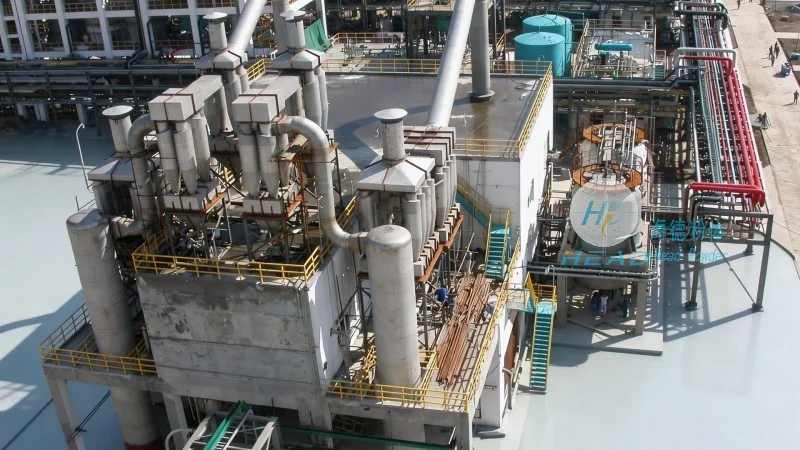
Another benefit is the ease of integration with existing infrastructure. Since the system operates at a higher pressure than the surrounding environment, it can be connected to existing pipelines or storage facilities without the need for extensive modifications. This makes it a practical choice for companies that already have a positive pressure system in place or are expanding their conveying capabilities.
Understanding Negative Pressure Pneumatic Conveying
Negative pressure pneumatic conveying, also known as suction or vacuum conveying, works by creating a vacuum in the conveying line, drawing the material from the source into the system. The air is then filtered and released back into the environment, while the material is collected at the discharge point.
This method is particularly effective for short-distance or low-volume applications, where the material needs to be moved from a specific source to a nearby destination. Negative pressure systems are often used in applications where the material is sensitive to pressure changes or where the source is located in a confined space.
Advantages of Negative Pressure Conveying
One of the key advantages of negative pressure systems is their ability to handle fine powders without causing excessive dust or contamination. The vacuum created draws the material gently, reducing the risk of agglomeration or particle breakage. This is especially important for cobalt hydroxide, which can be prone to forming clumps if not handled carefully.
Another benefit is the lower initial cost compared to positive pressure systems. Negative pressure systems typically require less powerful equipment, such as a vacuum pump, which is more affordable than a high-capacity blower. This makes them a cost-effective solution for smaller operations or when the conveying distance is short.
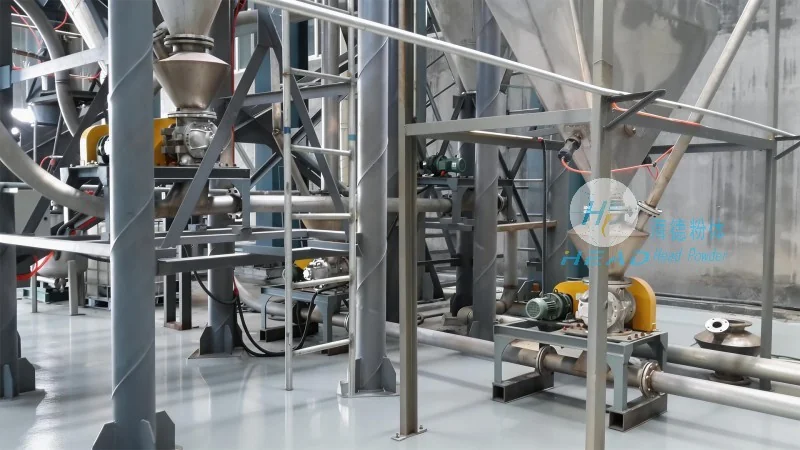
Distinguishing Between Positive and Negative Pressure Systems
When deciding between positive and negative pressure for cobalt hydroxide pneumatic conveying, several factors need to be considered. The most critical factors are the conveying distance, material volume, and the physical properties of the cobalt hydroxide itself.
For long-distance or high-volume applications, positive pressure systems are generally more suitable due to their ability to maintain consistent flow and handle larger quantities. The higher pressure ensures that the material is moved efficiently without the risk of clogging or system backpressure. On the other hand, negative pressure systems are ideal for short-distance or low-volume applications, where the material needs to be handled gently to prevent damage or contamination.
The physical properties of the cobalt hydroxide, such as its particle size, moisture content, and tendency to agglomerate, also play a significant role. Fine powders with high moisture content may require negative pressure systems to avoid clogging or particle breakage. Conversely, if the material is larger or more cohesive, a positive pressure system can provide the necessary force to move it efficiently.
Key Considerations for Choosing the Right System
Before selecting a pneumatic conveying system, it is essential to evaluate several factors to ensure the best fit for your operation. The first consideration is the distance between the source and the destination. If the distance is over 100 meters or the material volume is high, a positive pressure system is likely the better choice. For shorter distances or smaller volumes, a negative pressure system may suffice.
Another critical factor is the material's properties. Cobalt hydroxide is a fine powder that can be sensitive to pressure changes and moisture. If the material is prone to agglomeration or particle breakage, a negative pressure system may be preferred to handle it gently. Conversely, if the material is larger or more cohesive, a positive pressure system can provide the necessary force to move it efficiently.
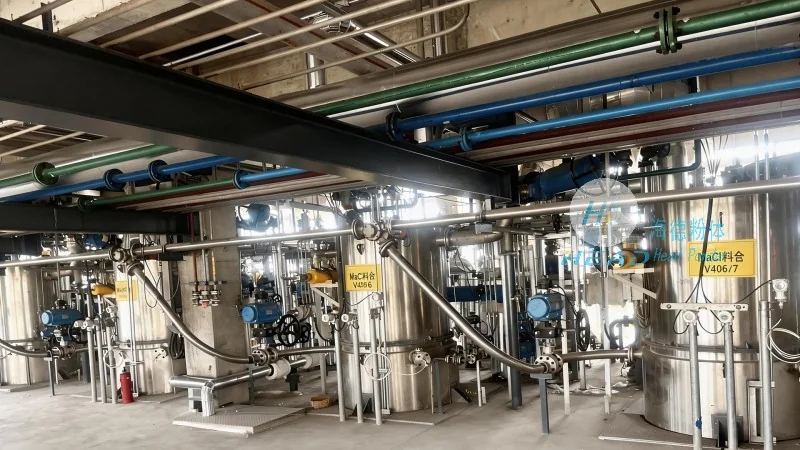
Energy consumption and operational costs are also important considerations. Positive pressure systems may have higher energy costs due to the need for a powerful blower, but they can be more efficient for high-volume applications. Negative pressure systems, while lower in initial cost, may require more frequent maintenance due to the vacuum pump and filtration system.
Finally, the existing infrastructure and space constraints should be considered. If your facility already has a positive pressure system or the space for a blower, a positive pressure system may be more practical. If the space is limited or the existing infrastructure is for negative pressure, a negative pressure system might be the better option.
Conclusion
Choosing between positive and negative pressure for cobalt hydroxide pneumatic conveying depends on a variety of factors, including the conveying distance, material volume, and the physical properties of the cobalt hydroxide. Positive pressure systems are ideal for long-distance and high-volume applications, offering consistent flow and efficient material transport. Negative pressure systems, on the other hand, are better suited for short-distance or low-volume applications, providing gentle handling and lower initial costs.
By carefully evaluating these factors and understanding the advantages and limitations of each system, you can select the most appropriate pneumatic conveying solution for your cobalt hydroxide operations. Whether you choose positive or negative pressure, the goal is to ensure efficient, reliable, and safe transportation of the material, supporting the smooth operation of your production or processing facilities.