

Choosing Between Positive Pressure and Negative Pressure Conveying for Polycarbonate: How to Disting
When it comes to handling polycarbonate materials through pneumatic conveying systems, selecting the right type of system is crucial for efficiency, safety, and cost-effectiveness. Two primary methods are widely used: positive pressure conveying and negative pressure conveying. Each has its own set of advantages and limitations, making the choice between them a critical decision for any facility dealing with polycarbonate. This article aims to provide a clear understanding of both positive and negative pressure conveying systems, helping you make an informed decision based on your specific operational requirements.
Introduction to Polycarbonate Conveying Systems
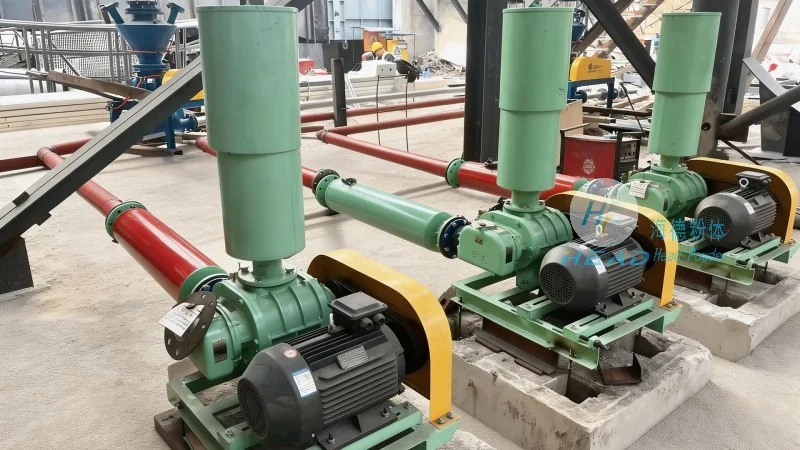
Pneumatic conveying is a method of transporting bulk materials, such as polycarbonate powders or granules, using a stream of air or gas. This technology offers several benefits over traditional mechanical conveying, including reduced dust, improved safety, and the ability to transport materials over long distances without the need for complex machinery. However, the effectiveness of a pneumatic conveying system largely depends on the pressure differential between the conveying line and the surrounding environment. This is where positive and negative pressure systems come into play.
Understanding Positive Pressure Conveying
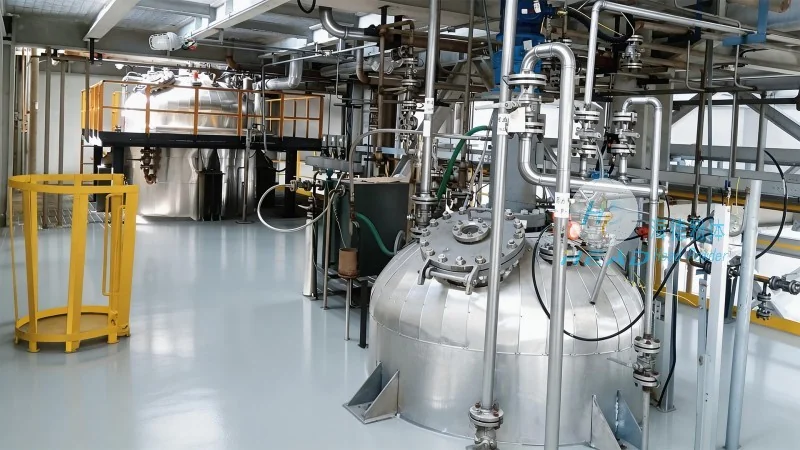
Positive pressure conveying, also known as pressure conveying, operates by blowing air or gas into the conveying line, creating a pressure higher than the ambient air pressure. The material is then drawn into the line by this pressure differential and transported to the destination. This method is particularly effective for conveying materials over long distances or through complex system layouts, as the high pressure ensures consistent material flow. One of the key advantages of positive pressure systems is their ability to handle abrasive or sticky materials without causing excessive wear on the system components. Additionally, they are generally more suitable for applications where the material needs to be discharged into a closed environment, such as a storage silo or a processing unit.
Understanding Negative Pressure Conveying
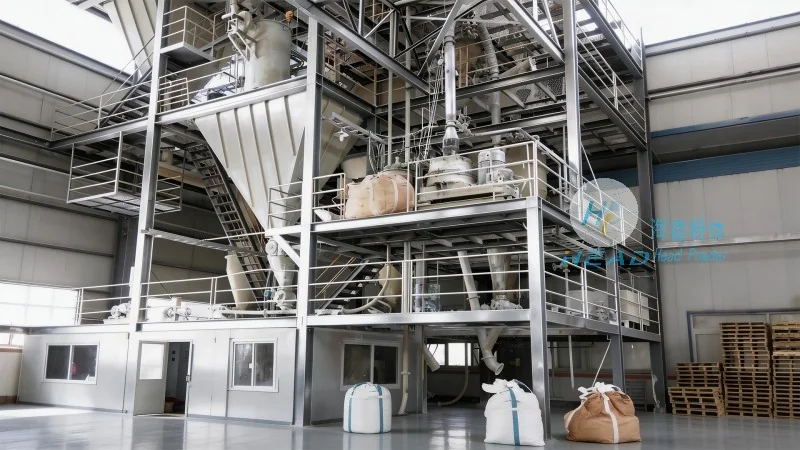
Negative pressure conveying, or vacuum conveying, works by creating a vacuum in the conveying line, which draws material from the source into the line. The material is then transported by the vacuum pressure to the destination. This method is often preferred for applications involving fine powders or granules that are prone to dusting or clogging. The lower pressure in the system reduces the risk of material spillage and makes it easier to handle sensitive materials that could be damaged by high pressure. Negative pressure systems are also more suitable for short-distance conveying or when the material needs to be collected from multiple points before being transported to a single location.
Key Factors to Consider When Choosing Between Positive and Negative Pressure Systems
When deciding between positive and negative pressure conveying for polycarbonate, several factors should be taken into account. The first is the distance and layout of the conveying system. Positive pressure systems are generally better for long-distance or complex layouts due to their ability to maintain consistent pressure. Negative pressure systems are more suitable for shorter distances or when the material needs to be collected from multiple sources. Another important factor is the nature of the polycarbonate material itself. If the material is abrasive or has a tendency to stick to surfaces, a positive pressure system may be more appropriate as it can handle these characteristics better. Conversely, if the material is fine and prone to dusting, a negative pressure system might be preferable to minimize the risk of material loss or contamination. The cost of the system is also a significant consideration. Positive pressure systems typically require more robust components, such as high-pressure blowers and stronger piping, which can increase initial investment costs. Negative pressure systems, on the other hand, may have lower initial costs but could incur higher operational costs due to the need for more powerful vacuum pumps and additional filtration systems to manage dust and particles.
How Shandong HeadPowder Engineering Co., Ltd. Can Assist with Your Conveying Needs
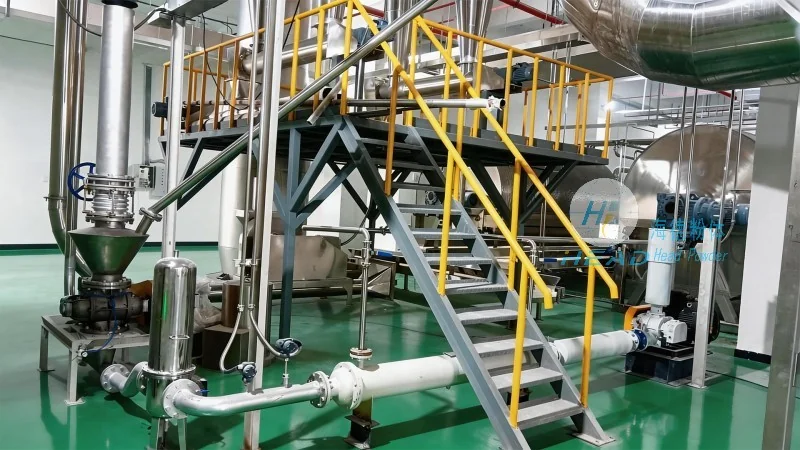
For businesses seeking reliable and efficient pneumatic conveying solutions for polycarbonate materials, Shandong HeadPowder Engineering Co., Ltd. offers expert consultation and tailored system designs. With years of experience in the industry, the company understands the unique challenges associated with handling polycarbonate and can provide customized solutions that meet specific operational requirements. Whether you need a positive pressure system for long-distance transport or a negative pressure system for fine material handling, HeadPowder's team of engineers can assess your needs and recommend the most suitable system configuration. The company's commitment to quality and customer satisfaction ensures that each system is designed to maximize efficiency, minimize maintenance, and provide long-term value. Located in Shandong, China, Shandong HeadPowder Engineering Co., Ltd. serves clients globally, providing comprehensive support from initial consultation to system installation and ongoing maintenance. By choosing HeadPowder, you can be confident that your polycarbonate conveying needs will be handled by a trusted and experienced partner.