

Choosing Between Positive Pressure and Negative Pressure for Calcined Gypsum Pneumatic Conveying: Ho
When it comes to transporting calcined gypsum, selecting the right pneumatic conveying system is crucial for efficiency and cost-effectiveness. The choice between positive pressure and negative pressure systems often depends on the specific application, material characteristics, and operational requirements. This article aims to provide a clear understanding of the differences between these two approaches, helping you make an informed decision for your calcined gypsum handling needs.
Understanding Pneumatic Conveying Systems
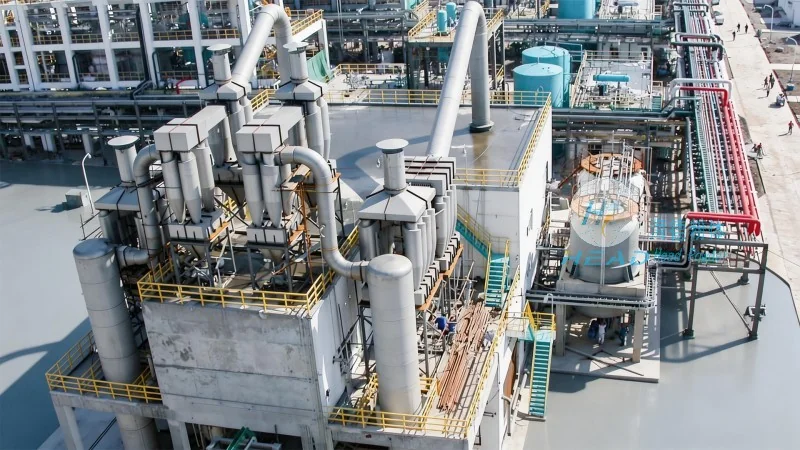
Pneumatic conveying is a method of transporting bulk materials like calcined gypsum through a pipeline using air or gas as the conveying medium. The two primary types are positive pressure and negative pressure systems, each with distinct operating principles and applications.
Positive Pressure Pneumatic Conveying
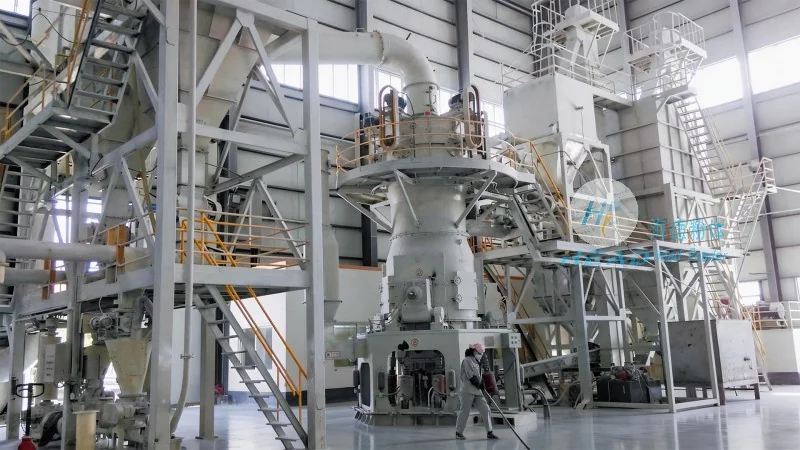
Positive pressure systems operate by blowing air or gas into the material stream, creating a pressure higher than the ambient air. This method is often preferred for calcined gypsum due to its ability to handle abrasive or dusty materials without causing excessive wear on equipment. The high-pressure air ensures that the material is fully entrained and transported efficiently, even over long distances. A key advantage of positive pressure is its suitability for applications where the material needs to be delivered to multiple points or where the system is integrated with other processes.
Negative Pressure Pneumatic Conveying
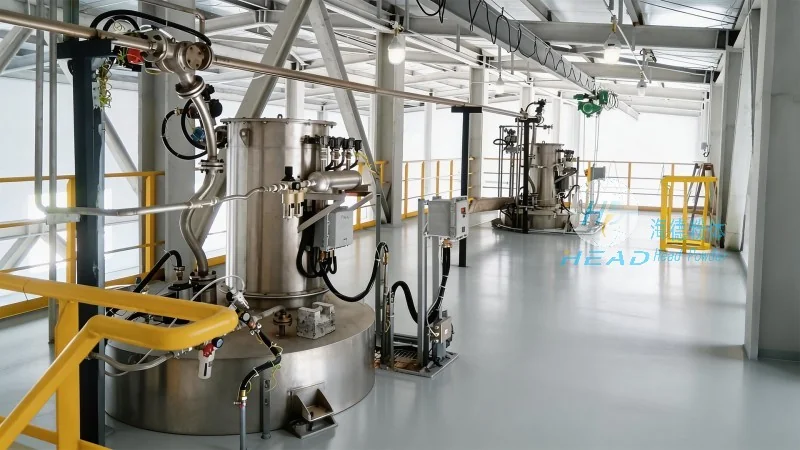
Negative pressure systems, also known as vacuum systems, work by creating a vacuum in the pipeline, drawing material into the system. This approach is typically used for shorter distances or when the material is relatively dry and non-abrasive. The lower operational pressure reduces energy consumption compared to positive pressure systems, making it a cost-effective option for certain applications. However, negative pressure systems may not be as effective for handling highly abrasive or fine powders, as the vacuum can lead to material buildup or blockages in the pipeline.
Distinguishing Between the Two Systems
Several factors can help you determine whether a positive or negative pressure system is best for your calcined gypsum application:
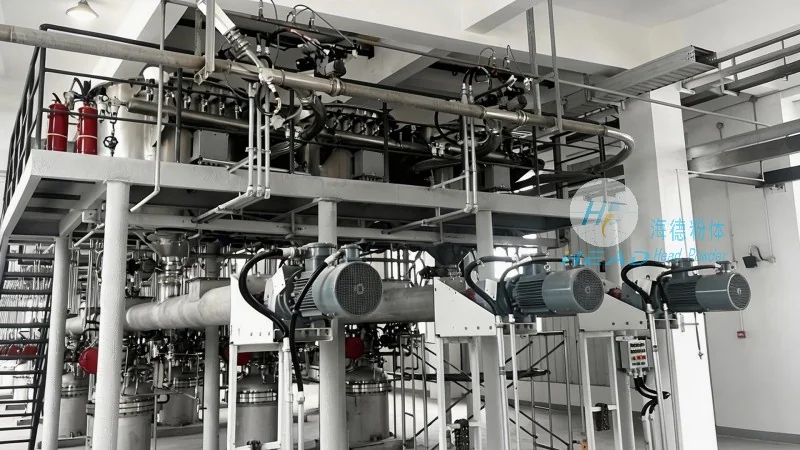
- Material Characteristics: Calcined gypsum, being a fine powder, may require a system that can handle its specific flow properties. Positive pressure systems are generally more robust for handling abrasive or high-volume materials, while negative pressure may be suitable for less abrasive, lighter materials.
- Distance and Layout: The length of the conveying line and the number of transfer points are critical. Positive pressure systems are often preferred for longer distances or complex layouts due to their ability to maintain pressure and material flow. Negative pressure is more suitable for shorter runs or simple line configurations.
- Energy Consumption and Cost: Positive pressure systems typically consume more energy due to the high-pressure air requirement. Negative pressure systems offer lower energy costs but may require more maintenance to prevent blockages or material degradation.
- Environmental and Safety Considerations: Both systems have environmental implications, but negative pressure systems may generate more dust at the intake point, requiring additional filtration. Positive pressure systems can help contain dust within the system, reducing external emissions.
Conclusion
Choosing between positive pressure and negative pressure for calcined gypsum pneumatic conveying requires careful consideration of the material's properties, operational distance, and cost factors. By understanding the differences in how each system operates and its advantages and limitations, you can select the most suitable option for your specific needs. Whether you opt for a positive pressure or negative pressure system, ensuring proper maintenance and system design is essential for optimal performance and longevity.