

Technical Analysis of Biomass Pellet Pneumatic Conveying Systems: Comparison of Positive Pressure an
HeadPowder, a leading engineering firm based in Shandong, China, specializes in the design and implementation of advanced pneumatic conveying systems for biomass pellet handling. This technical analysis delves into the core technologies of positive pressure and negative pressure conveying modes, providing a comprehensive comparison to help clients select the most suitable solution for their operational needs.
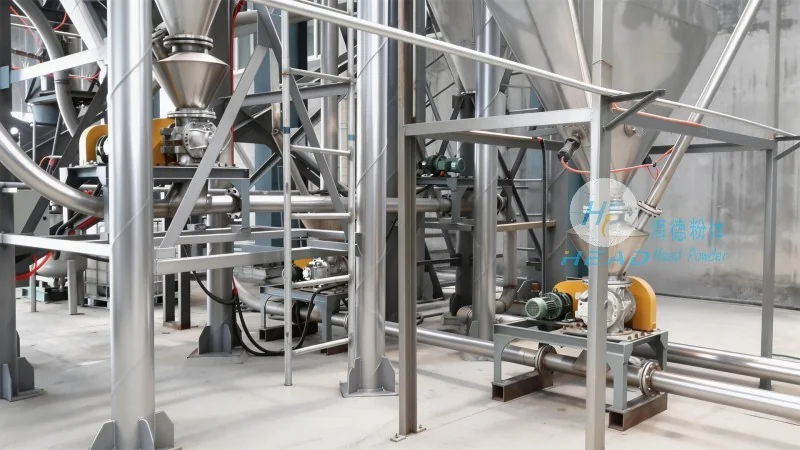
Understanding Pneumatic Conveying in Biomass Pellet Applications
Biomass pellets, derived from renewable sources such as wood, agricultural residues, and other organic materials, are increasingly used as a sustainable energy source. Efficient and reliable transport of these pellets from storage to processing or combustion facilities is critical for optimizing production lines and reducing operational costs. Pneumatic conveying systems offer a non-contact, low-maintenance method to achieve this, with two primary modes: positive pressure and negative pressure.
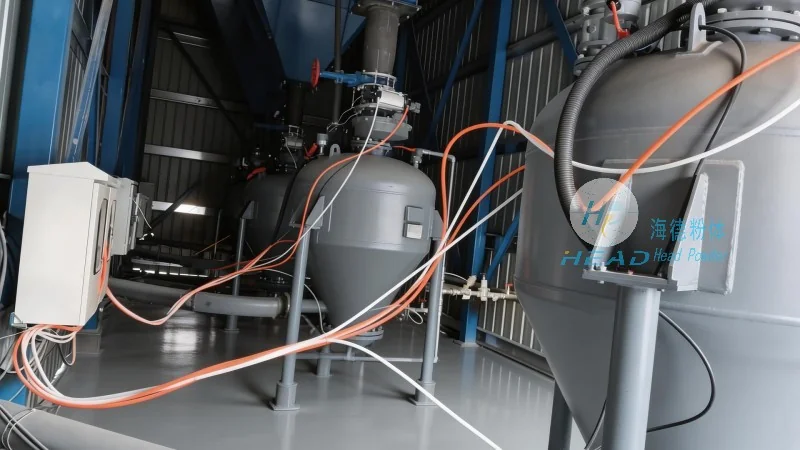
Positive Pressure Conveying Mode: Advantages and Applications
Positive pressure conveying systems operate by generating high-pressure air or gas at the inlet of the conveying line. This mode pushes the material forward through the pipeline, making it suitable for long-distance and high-capacity transport. A key advantage is its ability to handle abrasive materials like biomass pellets without causing excessive wear on the system components. The system typically includes a blower or compressor at the source, which supplies the necessary pressure to move the material. This method is particularly effective for applications requiring consistent flow rates and minimal pressure drop over extended distances.
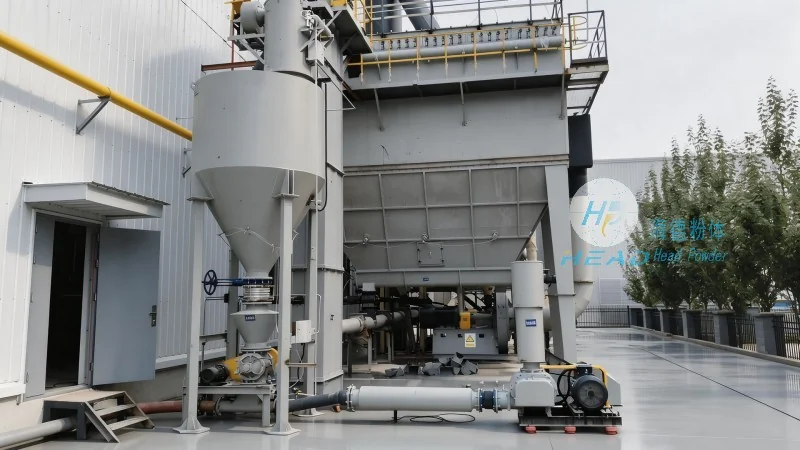
Negative Pressure Conveying Mode: Characteristics and Use Cases
Negative pressure conveying, also known as suction or vacuum conveying, works by creating a low-pressure environment at the inlet and a higher pressure at the outlet. The material is drawn into the system by the vacuum created, and then transported to the destination. This mode is often preferred for shorter distances and when the material needs to be collected from multiple points or at elevated heights. It is also beneficial for handling fine or dusty materials, as the vacuum helps in capturing particles that might otherwise escape. However, negative pressure systems may require more maintenance due to the higher risk of dust accumulation and wear on the suction components.
Key Technical Considerations for System Selection
When choosing between positive and negative pressure conveying systems for biomass pellet applications, several factors must be considered. The distance and layout of the conveying line are primary determinants. For instance, positive pressure systems are generally more efficient for distances exceeding 100 meters, while negative pressure may suffice for shorter runs. The material characteristics, such as pellet size, density, and moisture content, also influence the choice. Larger or denser pellets may benefit from the higher pressure of positive systems, whereas fine or lightweight pellets might perform better under negative pressure. Additionally, the system's capacity and required flow rate play a role, as positive pressure can handle higher capacities with less pressure drop compared to negative pressure.
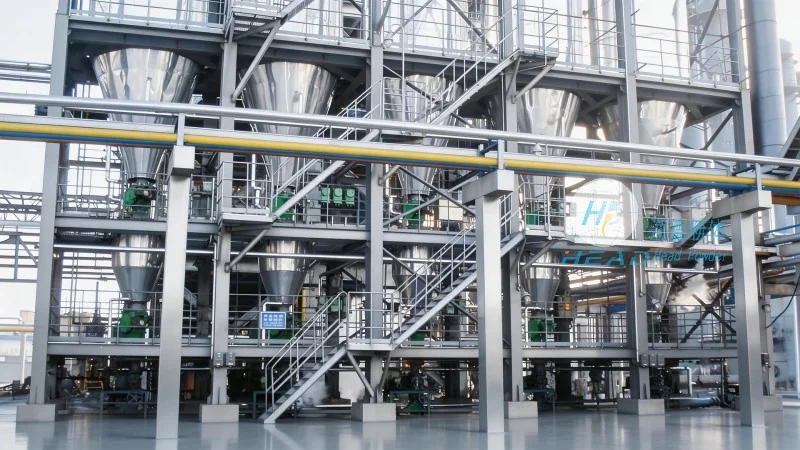
HeadPowder's Expertise in Biomass Pellet Conveying Solutions
HeadPowder Engineering Co., Ltd., headquartered in Shandong, China, leverages its extensive experience in engineering and manufacturing to provide tailored pneumatic conveying solutions for biomass pellet industries. The company's team of experts conducts thorough assessments of client needs, including site surveys, material analysis, and operational requirements, to design systems that meet specific performance standards. By integrating advanced components such as high-efficiency blowers, robust pipeline materials, and intelligent control systems, HeadPowder ensures that its conveying systems deliver reliability, energy efficiency, and low maintenance costs. Clients benefit from customized solutions that optimize their production processes while adhering to industry safety and environmental regulations.