

Technical Analysis of Beer Brewery Solids Pneumatic Conveying Systems: Comparison of Positive and Ne
Beer brewery solids, such as spent grain and yeast sludge, are byproducts of the brewing process that require efficient and hygienic handling. Pneumatic conveying systems have emerged as a key technology for transporting these materials, offering advantages over traditional mechanical methods like screw conveyors or belt conveyors. This article provides a technical analysis of pneumatic conveying systems for beer brewery solids, focusing on the comparison between positive pressure and negative pressure conveying modes. We will explore the fundamental principles, operational characteristics, and practical applications of each mode, helping to inform the selection of the most suitable system for specific brewery operations.
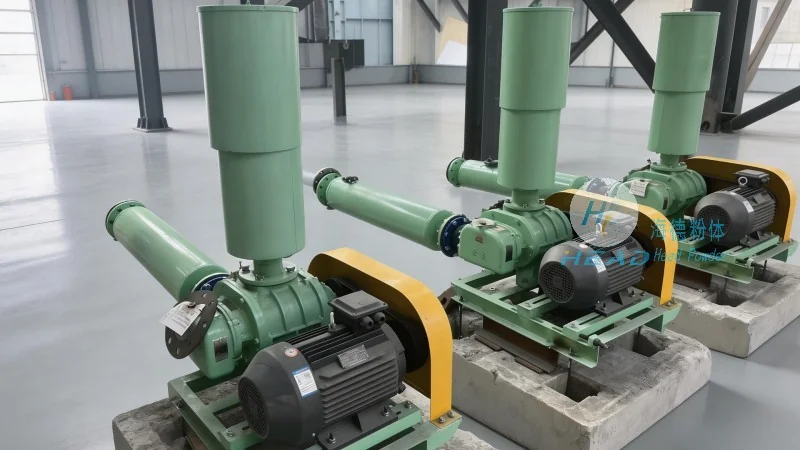
Introduction to Pneumatic Conveying for Beer Brewery Solids
In modern beer production, the management of brewery waste is critical to both operational efficiency and environmental compliance. Beer brewery solids, including spent grain, yeast, and other residues, need to be transported from the brewhouse to storage or processing facilities. Traditional methods often involve manual handling or mechanical conveyors, which can be labor-intensive, time-consuming, and prone to contamination. Pneumatic conveying systems, which use compressed air or vacuum to move materials through a pipeline, offer a more automated, hygienic, and flexible solution. These systems are particularly well-suited for handling powders and granular materials like brewery solids, as they can transport materials over long distances without the need for multiple transfer points or mechanical components.
Positive Pressure Pneumatic Conveying Mode
Positive pressure conveying operates by injecting compressed air into the material stream, creating a pressure higher than the ambient air pressure. The material is then carried through the pipeline by the airflow, which propels it forward. This mode is commonly used for short to medium-distance conveying, typically up to several hundred meters. The primary advantage of positive pressure systems is their ability to handle a wide range of materials, including abrasive or sticky substances, without causing excessive wear on the system components. Additionally, positive pressure systems can be designed with multiple inlets and outlets, allowing for flexible material routing and integration with existing brewery infrastructure.
For beer brewery solids, positive pressure conveying is often preferred for applications where the material needs to be transported from a central brewhouse to a single or a few storage silos. The system can handle high material loads and maintain consistent flow rates, making it suitable for continuous production lines. However, one of the main drawbacks of positive pressure systems is the higher energy consumption due to the continuous operation of the air compressor. This can increase operational costs, especially for large-scale breweries with extensive conveying networks. Another consideration is the potential for air leakage and material spillage at the discharge point, which may require additional sealing mechanisms to ensure hygiene and prevent contamination.
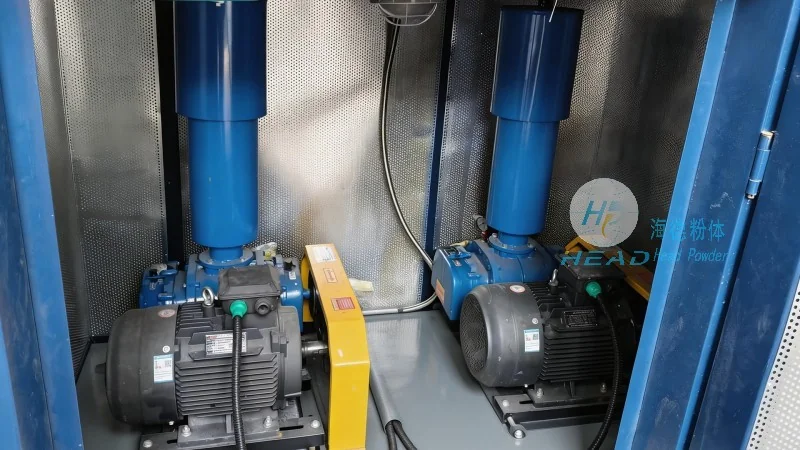
Negative Pressure Pneumatic Conveying Mode
Negative pressure conveying, also known as vacuum conveying, works by creating a vacuum in the pipeline, drawing material from the source into the system. The material is then transported to the destination by the suction force. This mode is typically used for longer distances, often exceeding 500 meters, and is particularly effective for handling fine powders or materials that are prone to dusting. The key advantage of negative pressure systems is their lower energy consumption compared to positive pressure systems, as the vacuum pump only operates when material is being drawn. This makes them more energy-efficient for applications requiring long-distance transport. Additionally, negative pressure conveying is less likely to cause material degradation or breakage, as the material is not subjected to high-pressure air streams.
In the context of beer brewery solids, negative pressure systems are often used for transporting spent grain from the brewhouse to a central storage facility or for moving yeast sludge to a processing plant. The vacuum created by the system can effectively capture fine particles and prevent dust emissions, which is important for maintaining a clean and safe working environment. However, negative pressure systems have limitations in handling high-volume or abrasive materials, as the vacuum pump may struggle to maintain sufficient suction force over long distances. Furthermore, the system is more susceptible to blockages if the material contains large particles or foreign objects, which can lead to operational downtime and maintenance issues.
Comparison of Positive and Negative Pressure Modes
When selecting a pneumatic conveying system for beer brewery solids, it is essential to compare the characteristics of positive and negative pressure modes to determine the most suitable option. The choice depends on several factors, including the distance of the conveying line, the volume and type of material, the required flow rate, and the available space for system components. Positive pressure systems are generally more suitable for short to medium distances and high-volume material transport, while negative pressure systems are better for longer distances and fine or low-volume materials.
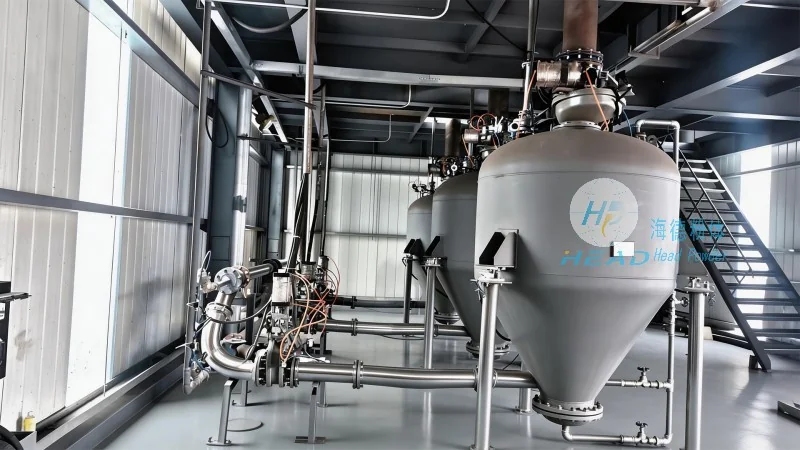
From an energy perspective, negative pressure systems are more efficient for long-distance conveying, as they consume less power compared to positive pressure systems. However, positive pressure systems may be more cost-effective for short-distance applications due to lower initial setup costs and simpler system design. In terms of material handling, positive pressure systems can handle a wider range of materials, including sticky or abrasive substances, without causing excessive wear. Negative pressure systems, on the other hand, are more gentle on the material, reducing the risk of degradation or breakage.
Hygiene and contamination control are also critical considerations in brewery operations. Positive pressure systems require careful sealing at the discharge point to prevent air and material leakage, which can compromise product quality. Negative pressure systems, while generally more hygienic due to the sealed suction point, may still require additional filtration to prevent dust emissions. The choice of system also impacts maintenance requirements; positive pressure systems may need more frequent maintenance of air compressors and filters, while negative pressure systems may require more attention to vacuum pump and pipeline cleaning.
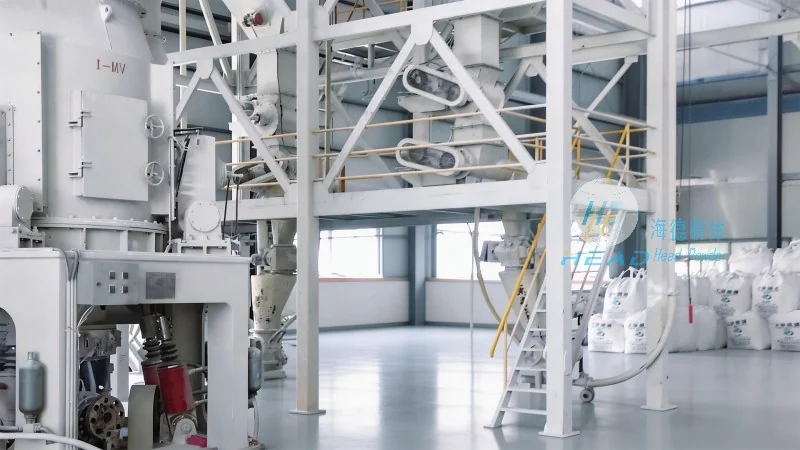
Case Study: Application in a Large-Scale Brewery
To illustrate the practical application of pneumatic conveying systems, consider a large-scale brewery in China that processes 1,000 tons of spent grain per day. The brewery uses a positive pressure system to transport spent grain from the brewhouse to a storage silo located 300 meters away. The system is designed with a high-capacity air compressor and a flexible pipeline network, allowing for efficient material transport. The positive pressure mode ensures consistent flow rates and minimal material spillage, while the system's hygienic design meets the brewery's quality standards. In contrast, a neighboring brewery with a longer conveying distance (over 800 meters) uses a negative pressure system to transport yeast sludge to a processing facility. The negative pressure mode provides lower energy consumption and gentler handling of the fine sludge, reducing the risk of degradation and ensuring a clean working environment.
Conclusion and Recommendations
Pneumatic conveying systems offer a reliable and efficient solution for handling beer brewery solids, with both positive and negative pressure modes providing distinct advantages. The selection of the appropriate mode depends on the specific requirements of the brewery, including distance, material characteristics, and operational constraints. Positive pressure systems are ideal for short to medium distances and high-volume transport, while negative pressure systems are better suited for longer distances and fine materials. When choosing a system, breweries should consider factors such as energy efficiency, material handling, hygiene, and maintenance requirements to ensure optimal performance and cost-effectiveness.
Shandong HeadPowder Engineering Co., Ltd., a leading provider of pneumatic conveying solutions, specializes in designing and manufacturing customized systems for beer brewery applications. With years of experience in the industry, the company offers tailored solutions that meet the unique needs of breweries, ensuring efficient and hygienic handling of brewery solids. HeadPowder's expertise in both positive and negative pressure systems allows them to provide comprehensive technical support and system integration services, helping breweries optimize their operations and reduce costs. The company's headquarters is located in Shandong, China, and serves clients worldwide with high-quality, reliable pneumatic conveying systems.