

Technical Analysis of Silica Pneumatic Conveying Systems: Comparison of Positive and Negative Pressu
HeadPowder, a leading engineering firm based in Shandong, China, specializes in the design and implementation of advanced pneumatic conveying systems for silica and other bulk materials. This technical analysis delves into the core technologies of silica pneumatic conveying, focusing on the critical comparison between positive and negative pressure conveying modes. Understanding these systems is essential for optimizing material handling efficiency, ensuring safety, and reducing operational costs in industrial applications.
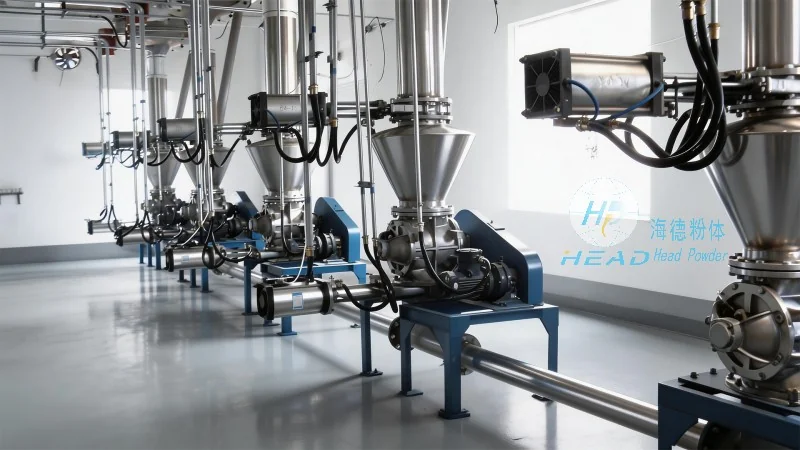
Introduction to Silica Pneumatic Conveying Systems
Silica, a versatile and widely used material in various industries such as construction, electronics, and pharmaceuticals, often requires efficient and reliable transport methods. Pneumatic conveying systems offer a solution by using air to move bulk materials through pipelines, eliminating the need for traditional mechanical conveyors and reducing the risk of contamination and material degradation. HeadPowder, with its expertise in engineering, provides tailored solutions that address the unique challenges of silica handling, ensuring optimal performance and longevity of the conveying equipment.
Positive Pressure Conveying Mode: Advantages and Applications
Positive pressure conveying systems operate by blowing air or a gas mixture into the conveying line, creating a pressure higher than the ambient air. This method is particularly effective for transporting dry, free-flowing materials like silica over long distances or through complex network systems. One of the key advantages of positive pressure systems is their ability to handle a wide range of particle sizes and moisture content, making them suitable for various industrial processes. The high pressure also helps in maintaining consistent material flow rates, reducing the risk of blockages and ensuring smooth operation. HeadPowder’s engineering solutions for positive pressure conveying include advanced control systems and robust pipeline designs that enhance durability and efficiency. For example, in a silica processing plant, a positive pressure system can efficiently transport raw silica from storage silos to processing units, minimizing downtime and maximizing throughput.
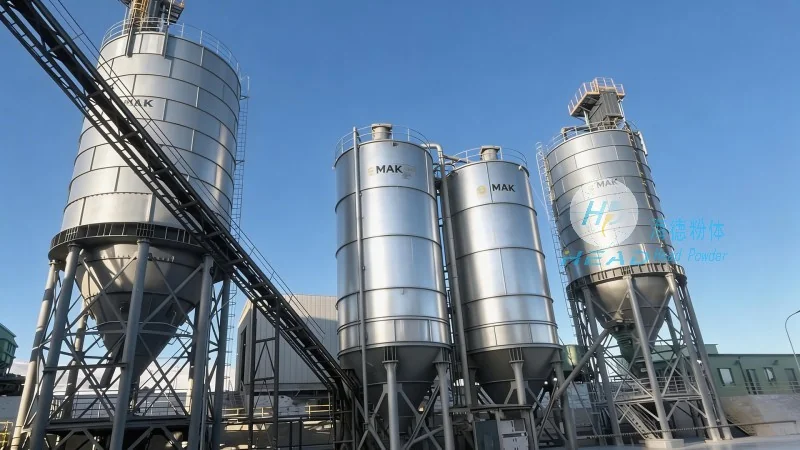
Negative Pressure Conveying Mode: Characteristics and Use Cases
Negative pressure conveying, also known as vacuum conveying, operates by creating a vacuum in the conveying line, drawing material from the source into the system. This mode is ideal for applications where the material needs to be transported from a lower elevation or where the source is located in a confined space. Negative pressure systems are particularly effective for handling fine powders and materials that are prone to dust generation, as the vacuum helps in controlling airborne particles and maintaining a clean environment. However, they are generally less suitable for long-distance or high-capacity transport due to the limitations in vacuum pressure and the potential for material degradation under low pressure conditions. HeadPowder’s negative pressure solutions are designed with high-efficiency vacuum pumps and filtration systems to ensure reliable operation and compliance with environmental regulations. In a pharmaceutical or food processing facility, a negative pressure system can safely transport silica powders from a hopper to a mixing unit, preventing cross-contamination and maintaining product purity.
Comparison of Positive and Negative Pressure Conveying Modes
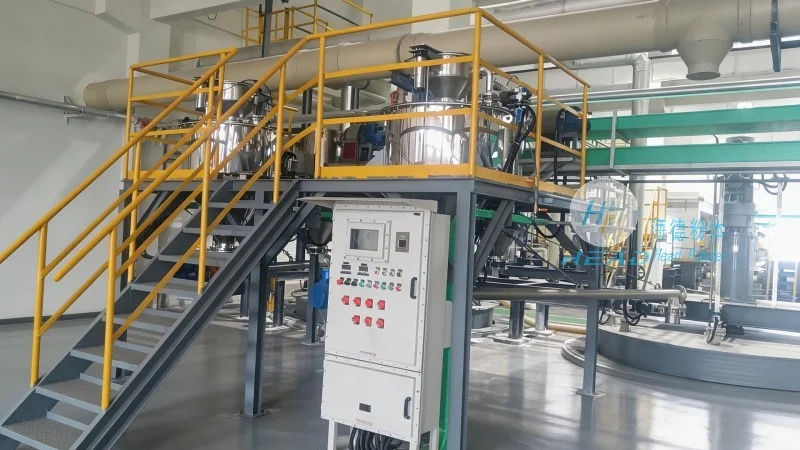
When selecting a pneumatic conveying system for silica transport, it is crucial to evaluate the specific requirements of the application, including material characteristics, distance, and operational constraints. The following table provides a comparative analysis of the key factors influencing the choice between positive and negative pressure modes:
| Feature | Positive Pressure | Negative Pressure |
|---|---|---|
| Operating Principle | Air is blown into the line, creating positive pressure | Vacuum is created, drawing material in |
| Material Handling | Effective for dry, free-flowing materials; can handle larger particles | Best for fine powders; limited for large particles |
| Distance Capability | Suitable for long distances (up to several kilometers) | Best for short to medium distances (typically up to 100 meters) |
| Energy Consumption | Higher due to higher air pressure requirements | Lower energy consumption as it relies on vacuum |
| Environmental Impact | May require dust collection systems for long-distance transport | Generally lower dust emissions due to enclosed vacuum |
| Cost | Higher initial investment and operational costs | Lower initial cost and operational expenses |
Based on this comparison, positive pressure systems are often preferred for large-scale, long-distance silica transport in industrial settings, while negative pressure systems are more suitable for laboratory-scale or short-distance applications where material purity and environmental control are critical.
Key Considerations for Silica Pneumatic Conveying System Design
Designing an efficient silica pneumatic conveying system involves several critical factors that directly impact performance and reliability. HeadPowder emphasizes the importance of material characterization, as the properties of silica (such as particle size distribution, moisture content, and flowability) significantly influence the choice of conveying mode and system components. Proper pipeline sizing and layout are also essential to ensure consistent air flow and prevent pressure drops or blockages. For positive pressure systems, the selection of high-quality air filters and pressure regulators is crucial to maintain system efficiency and protect equipment from dust accumulation. In negative pressure systems, effective dust collection and filtration systems are necessary to prevent air contamination and comply with environmental regulations. Additionally, the integration of advanced control systems allows for real-time monitoring and adjustment of conveying parameters, enhancing operational flexibility and reducing maintenance needs.
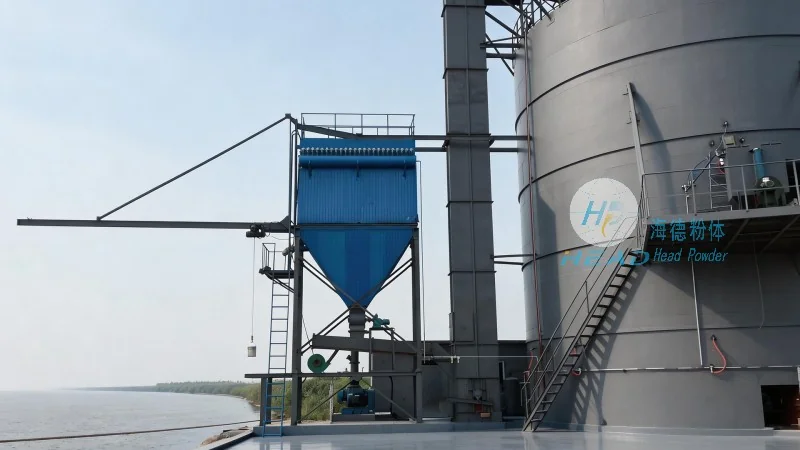
Case Study: Silica Transport in a Construction Materials Plant
HeadPowder recently completed a project for a construction materials manufacturer in Shandong, China, where the client needed to transport silica from storage silos to a mixing plant over a distance of 1.5 kilometers. The system was designed as a positive pressure conveying solution, incorporating high-capacity blowers, robust pipelines, and advanced control software. The implementation resulted in a 30% increase in material throughput compared to traditional conveyor systems, while reducing operational costs by 20% due to lower maintenance requirements. The system also met all safety and environmental standards, with minimal dust emissions and efficient air filtration. This case study highlights the effectiveness of positive pressure conveying in large-scale industrial applications and the expertise of HeadPowder in delivering tailored solutions that meet specific client needs.
Conclusion and Future Trends
Silica pneumatic conveying systems, particularly the comparison between positive and negative pressure modes, play a vital role in optimizing material handling processes across various industries. HeadPowder, with its commitment to engineering excellence and customer-centric solutions, continues to advance the technology of pneumatic conveying for silica and other bulk materials. By leveraging advanced design principles and tailored system configurations, HeadPowder ensures that clients achieve optimal performance, reliability, and cost-effectiveness in their material transport operations. As industrial demands evolve, the focus on efficient, sustainable, and safe material handling will remain a key priority, and companies like HeadPowder will continue to lead the way in developing innovative solutions that meet these challenges.