

Technical Analysis of Sweet Potato Starch Pneumatic Conveying Systems: Comparison of Positive Pressu
For industries dealing with sweet potato starch, selecting the right pneumatic conveying system is crucial for efficiency, cost-effectiveness, and operational reliability. Pneumatic conveying systems transport bulk materials like starch using air or gas as the medium, and two primary modes dominate the market: positive pressure and negative pressure systems. This article provides a technical analysis of these two modes, focusing on their applications, advantages, and considerations for sweet potato starch processing facilities.
Introduction to Pneumatic Conveying Systems
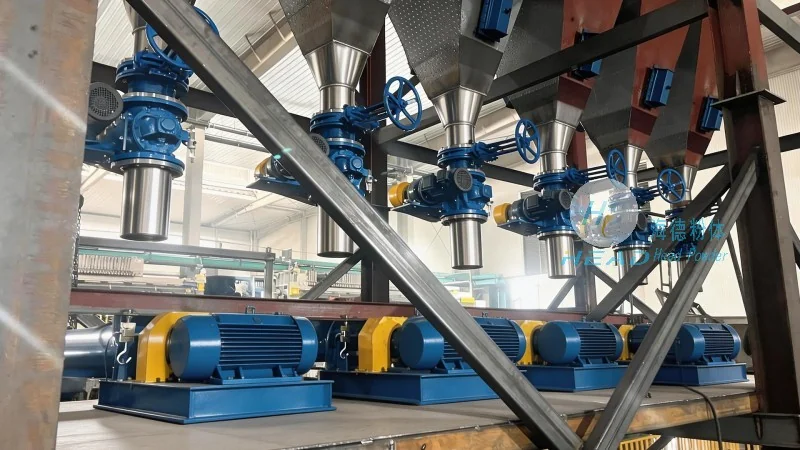
Pneumatic conveying systems are widely used in the food processing industry, particularly for handling powders such as sweet potato starch. These systems utilize air or gas to move materials through a pipeline network, eliminating the need for mechanical components like belts or buckets in traditional conveying methods. The choice between positive and negative pressure systems depends on factors like material characteristics, system layout, and operational requirements.
Positive Pressure Conveying Mode
Positive pressure systems operate by blowing air or gas into the conveying line, creating a pressure higher than the ambient air. This method is particularly effective for transporting sweet potato starch over long distances or through complex piping networks. The system typically includes a blower or compressor at the inlet, which supplies the necessary pressure to move the material. One key advantage of positive pressure is its ability to handle abrasive or corrosive materials without significant wear on the system components. For sweet potato starch, which can be fine and prone to clogging, positive pressure systems often use larger particle sizes or add air conditioning to maintain consistent flow.
Negative Pressure Conveying Mode
Negative pressure systems, also known as vacuum systems, work by creating a vacuum in the conveying line, drawing material from the source into the system. This mode is commonly used for short-distance or low-volume conveying tasks. The system features a vacuum pump at the outlet, which pulls material through the pipeline. A key benefit of negative pressure is its ability to handle materials that are sensitive to pressure changes or that require gentle handling, such as fine starch powders. However, negative pressure systems are generally less efficient for long-distance transport due to higher energy consumption and potential for material degradation under vacuum conditions.
Key Considerations for Sweet Potato Starch Processing
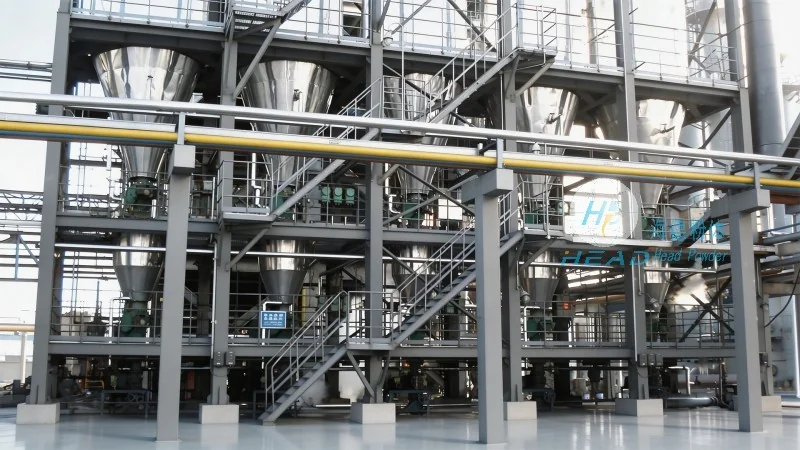
When selecting a pneumatic conveying system for sweet potato starch, several factors must be considered to ensure optimal performance. First, the material's properties, such as particle size, moisture content, and flowability, significantly impact system design. Sweet potato starch is often fine and cohesive, which can lead to clogging in pipelines. Positive pressure systems may require additional equipment like cyclones or filters to prevent blockages, while negative pressure systems might benefit from pre-drying or agglomeration to improve flow characteristics.
Second, the system layout and operational requirements play a critical role. Positive pressure systems are ideal for facilities with multiple processing points or where materials need to be transported over long distances, such as from a storage silo to a processing plant. Negative pressure systems are more suitable for applications requiring gentle handling or where the material source is close to the processing area. For example, a small-scale sweet potato starch mill might opt for a negative pressure system due to its lower initial investment and simpler setup.
Advantages and Disadvantages of Each Mode
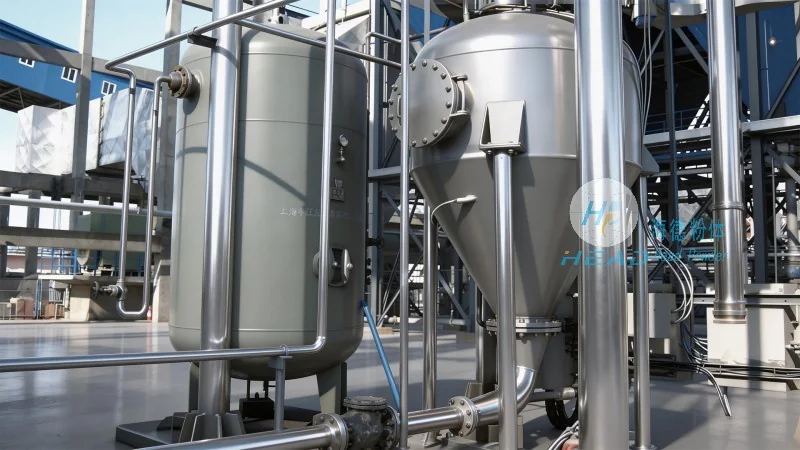
Positive pressure systems offer several advantages, including higher conveying capacity, better control over material flow, and the ability to handle abrasive materials. However, they may require more maintenance due to the higher pressure and wear on components like blowers and pipelines. Additionally, positive pressure systems can be more energy-intensive, especially for long-distance transport, as the blower must maintain a consistent pressure throughout the system.
Negative pressure systems, on the other hand, are generally more energy-efficient for short distances and can handle fine materials more gently. Their main drawbacks include lower conveying capacity, higher susceptibility to clogging, and the need for careful maintenance of vacuum pumps and filters. The vacuum environment can also lead to material degradation if not properly controlled, which is a concern for sensitive starch products.
Conclusion
In conclusion, the choice between positive and negative pressure pneumatic conveying systems for sweet potato starch depends on the specific needs of the processing facility. Positive pressure systems are better suited for large-scale, long-distance transport with high material throughput, while negative pressure systems are more appropriate for smaller-scale operations or applications requiring gentle handling. By understanding the technical differences and operational requirements, manufacturers can select the most efficient and reliable system to enhance their sweet potato starch processing capabilities.