

Technical Analysis of Petroleum Coke Powder Pneumatic Conveying Systems: A Comparison of Positive Pr
When it comes to transporting petroleum coke powder, selecting the right pneumatic conveying system is crucial for efficiency, reliability, and operational safety. The choice between positive pressure and negative pressure conveying modes significantly impacts system performance, maintenance requirements, and overall cost-effectiveness. This technical analysis delves into the key aspects of both approaches, providing a comprehensive comparison to help industrial stakeholders make informed decisions.

Introduction to Petroleum Coke Powder Pneumatic Conveying
Petroleum coke powder, a byproduct of the petroleum refining process, is widely used in various industrial applications such as steelmaking, carbon black production, and chemical manufacturing. Efficient and safe transportation of this fine powder is essential to maintain production continuity and minimize operational disruptions. Pneumatic conveying systems offer a non-contact, closed-loop solution that can handle the abrasive and potentially hazardous nature of petroleum coke powder while ensuring environmental compliance.
Positive Pressure Conveying Mode: Advantages and Considerations
Positive pressure conveying systems operate by blowing air or a carrier gas into the material to be transported. The system pressurizes the entire conveying line, pushing the powder from the source to the destination. This mode is often preferred for long-distance or high-capacity applications due to its ability to maintain consistent flow rates and handle abrasive materials effectively. One of the primary advantages of positive pressure systems is their ability to handle difficult-to-convey materials, including those with high moisture content or sticky properties. The pressurized environment also helps in preventing dust emissions and maintaining a controlled environment within the system.
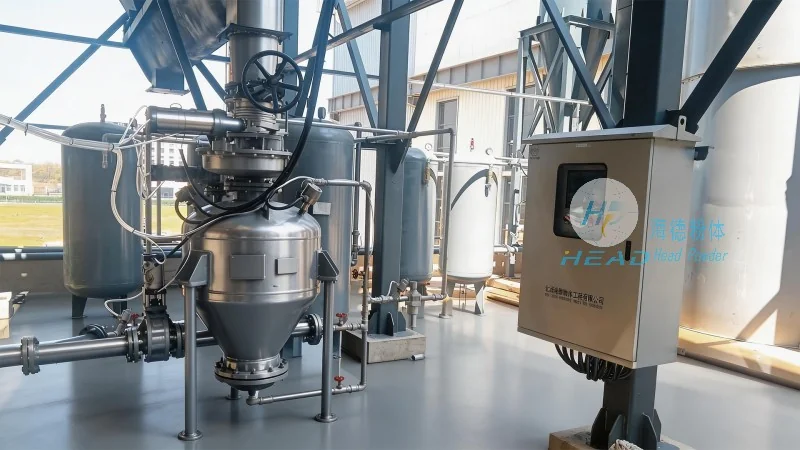
However, positive pressure systems require robust sealing and filtration to prevent air leakage and dust contamination. They also demand higher energy consumption compared to negative pressure systems, as the entire line is pressurized. Regular maintenance of the air compressor and associated components is necessary to ensure optimal performance and prevent system downtime. The initial investment for positive pressure systems can be higher due to the need for more durable materials and advanced control systems.
Negative Pressure Conveying Mode: Advantages and Considerations
Negative pressure conveying systems, on the other hand, operate by creating a vacuum in the conveying line, drawing the material from the source to the destination. The system pulls the powder into the line using a vacuum pump or fan, which then transports it to the receiving point. This mode is typically used for shorter distances or when the material is less abrasive and less likely to cause blockages. A key advantage of negative pressure systems is their lower energy consumption, as they only need to maintain a vacuum in the line rather than pressurize it.
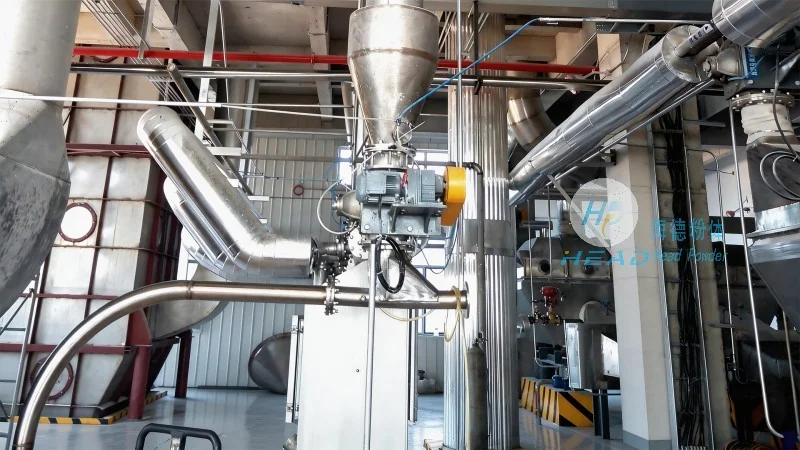
However, negative pressure systems are more susceptible to dust leakage and require stringent filtration to prevent environmental contamination. They may also struggle with conveying materials that have high moisture content or are prone to caking, as the vacuum can cause the material to stick to the pipe walls. The system's performance can be affected by external factors such as ambient air pressure and temperature, which may impact the vacuum level and overall conveying efficiency.
Key Factors in Choosing Between Positive and Negative Pressure Systems
The decision between positive and negative pressure conveying modes depends on several critical factors, including the distance between the source and destination, the material characteristics (such as particle size, moisture content, and abrasiveness), the required flow rate, and the environmental regulations in the operating area. For instance, positive pressure systems are often preferred for long-distance transport of large quantities of petroleum coke powder, while negative pressure systems may be more suitable for short-distance or low-volume applications.
Another important consideration is the system's integration with existing infrastructure. Positive pressure systems may require additional space for the air compressor and storage tanks, whereas negative pressure systems can be more compact and easier to install in existing facilities. The cost of operation and maintenance also plays a significant role, as positive pressure systems generally have higher energy and maintenance costs compared to their negative pressure counterparts.
Conclusion: Selecting the Right Conveying Mode for Petroleum Coke Powder
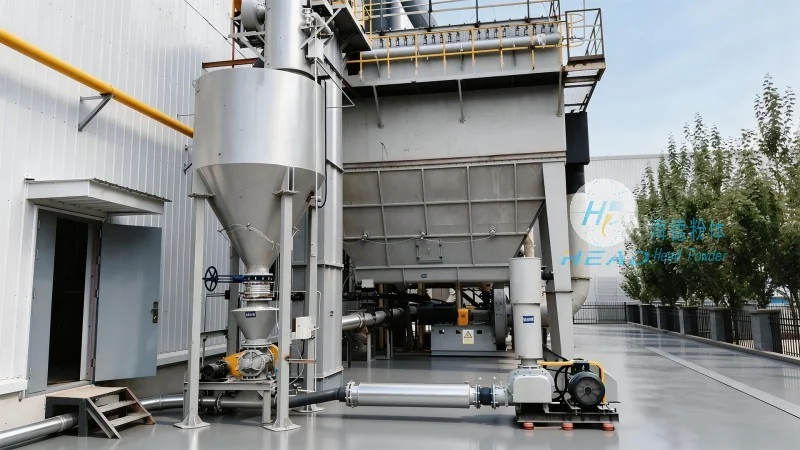
Both positive pressure and negative pressure pneumatic conveying systems offer viable solutions for transporting petroleum coke powder, each with its own set of advantages and limitations. The choice ultimately depends on the specific requirements of the application, including operational efficiency, cost considerations, and environmental compliance. By carefully evaluating the material properties, conveying distance, and system constraints, industrial operators can select the most appropriate conveying mode to ensure reliable and safe operation.
Shandong HeadPowder Engineering Co., Ltd., a leading provider of pneumatic conveying solutions, specializes in designing and manufacturing customized systems tailored to the unique needs of petroleum coke powder handling. With years of experience in the industry, HeadPowder offers expert guidance and technical support to help clients choose the optimal conveying mode and system configuration. The company's commitment to quality and innovation ensures that its systems meet the highest standards of performance and reliability, providing long-term value to its customers.