

Technical Analysis of Magnesium Oxide Powder Pneumatic Conveying Systems: Comparison of Positive Pre
HeadPowder, a leading engineering company based in Shandong, China, specializes in the design and implementation of advanced pneumatic conveying systems for various industrial powders, including magnesium oxide. This article provides a technical comparison of positive pressure and negative pressure conveying modes, focusing on their applications, operational principles, and key considerations for magnesium oxide powder handling.
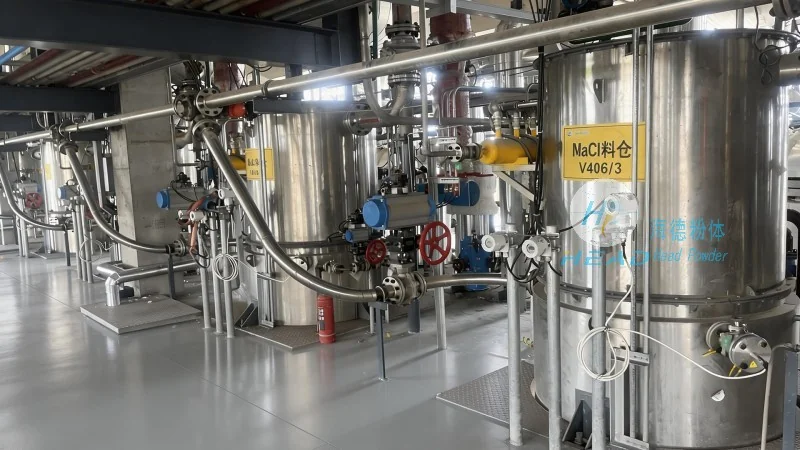
Introduction to Pneumatic Conveying Systems for Magnesium Oxide Powder
Pneumatic conveying is a critical technology for transporting bulk powders like magnesium oxide, which is widely used in construction, refractory materials, and chemical industries. The choice between positive pressure and negative pressure systems depends on factors such as material properties, distance, and system complexity. Understanding the differences between these two modes is essential for optimizing material handling efficiency and ensuring system reliability.
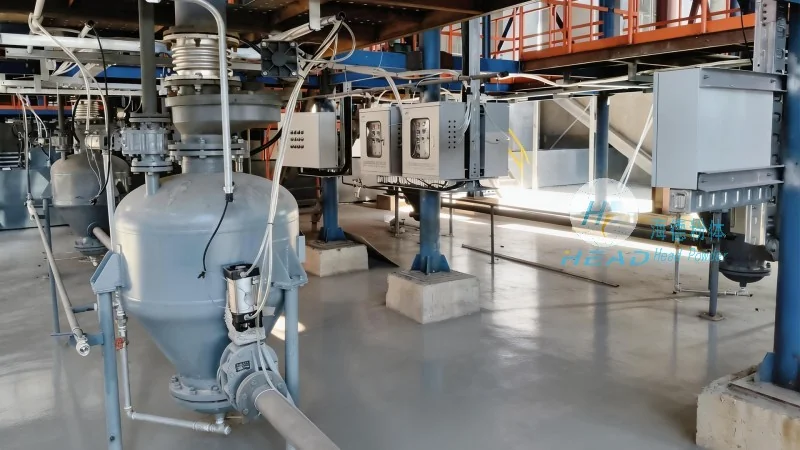
Comparison of Positive Pressure and Negative Pressure Conveying Modes
Both positive pressure and negative pressure pneumatic conveying systems are used for magnesium oxide powder transport, but they operate on distinct principles and have different advantages and limitations. Positive pressure systems use compressed air to push material through the pipeline, while negative pressure systems use vacuum to pull material from the source. The selection of a mode is influenced by the specific requirements of the application, including the distance between the source and destination, the volume of material to be conveyed, and the need for environmental control.
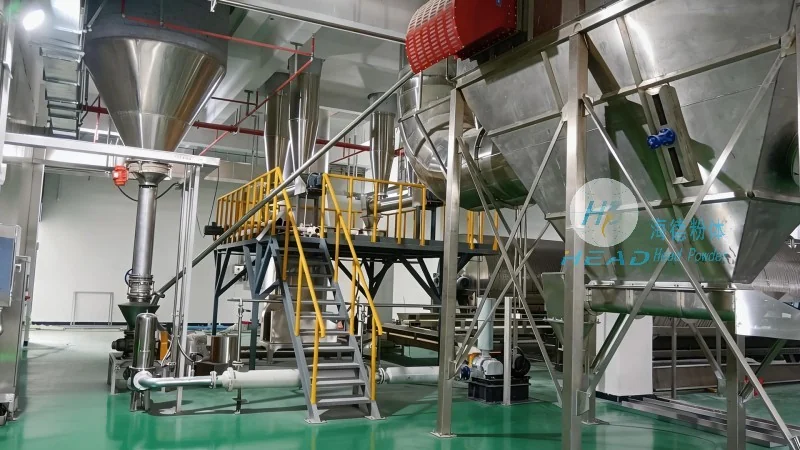
Positive Pressure Conveying Mode
Positive pressure conveying, also known as pressure conveying, operates by introducing compressed air into the conveying line at the material source. The air pressure forces the magnesium oxide powder to move through the pipeline to the discharge point. This mode is typically used for short to medium-distance conveying (up to several hundred meters) and is suitable for applications where the material is non-abrasive and has low moisture content. The primary advantages of positive pressure systems include high conveying capacity, ability to handle abrasive materials, and the option to use flexible hoses for easier installation. However, they may require more energy due to the constant pressure maintenance and can be more complex to install, especially for long-distance runs.
Negative Pressure Conveying Mode
Negative pressure conveying, or vacuum conveying, works by creating a vacuum at the discharge end of the system, which draws the magnesium oxide powder from the source into the pipeline. This mode is commonly used for longer distances (up to several kilometers) and is ideal for applications where the material is sensitive to pressure or where environmental contamination needs to be minimized. The main benefits of negative pressure systems include lower energy consumption compared to positive pressure systems, as the vacuum is generated by a fan that operates at lower pressure. Additionally, they are often simpler to install and maintain, as they do not require high-pressure air compressors. However, negative pressure systems may have lower conveying capacities and are more susceptible to clogging if the material is highly cohesive or contains large particles.
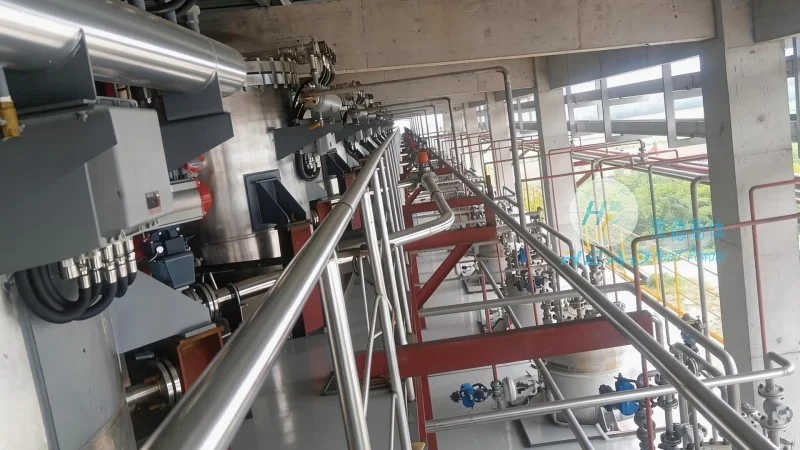
Technical Advantages of HeadPowder's Pneumatic Conveying Solutions
HeadPowder Engineering Co., Ltd., with its headquarters in Shandong, China, offers customized pneumatic conveying solutions tailored to the unique needs of magnesium oxide powder handling. Our systems integrate advanced control technologies, robust material handling components, and energy-efficient designs to optimize performance. For positive pressure applications, we utilize high-efficiency air compressors and flexible hose connections to ensure smooth material flow and minimize pressure losses. In negative pressure systems, we employ high-capacity vacuum fans and sealed collection hoppers to maintain consistent vacuum levels and prevent dust emissions. Our engineering team conducts thorough material analysis and system simulations to select the most appropriate conveying mode and system configuration, ensuring optimal efficiency, reliability, and cost-effectiveness for our clients. By leveraging our expertise in pneumatic conveying technology, HeadPowder provides reliable solutions that enhance productivity and safety in magnesium oxide powder handling operations.