

Technical Analysis of Cement Powder Pneumatic Conveying Systems: Comparison of Positive Pressure and
HeadPowder, a leading engineering company based in Shandong, China, specializes in the design, manufacturing, and installation of advanced pneumatic conveying systems for bulk material handling. This article provides a technical analysis of cement powder pneumatic conveying systems, focusing on the comparison between positive pressure and negative pressure conveying modes. The comparison aims to help industry professionals understand the operational principles, advantages, and limitations of each mode, enabling them to make informed decisions when selecting the most suitable system for their specific applications.

Overview of Cement Powder Pneumatic Conveying Systems
Pneumatic conveying systems are widely used in the cement industry to transport cement powder from storage silos to production lines or other processing facilities. These systems utilize air or gas as the conveying medium to move bulk materials through a network of pipes. The primary goal is to achieve efficient, reliable, and cost-effective material transport while minimizing product degradation and operational risks.
Positive Pressure Conveying Mode
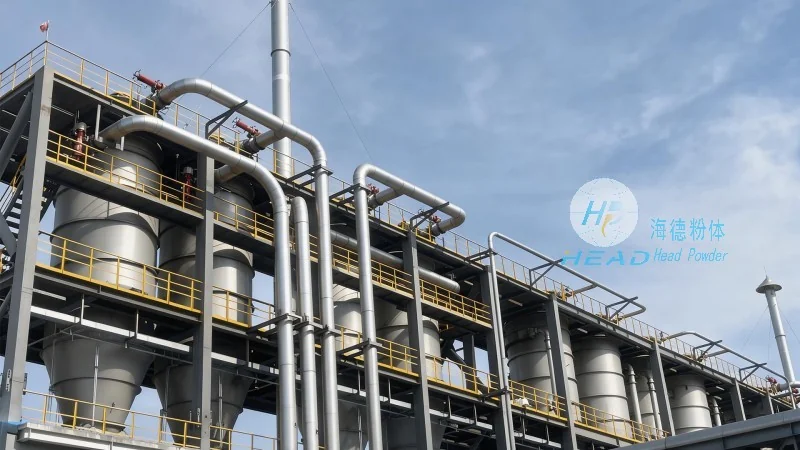
Positive pressure conveying, also known as pressure pneumatic conveying, operates by blowing air or gas into the conveying line, creating a pressure higher than the ambient air pressure. The material is drawn into the system by the pressure differential and transported through the pipeline. This mode is commonly used for short to medium-distance conveying and is particularly suitable for handling abrasive or corrosive materials like cement powder. The positive pressure system typically includes a blower or compressor, a material feeder, and a receiver. The blower provides the necessary pressure to move the material, while the feeder ensures a consistent flow rate. The receiver collects the conveyed material and may include a dust collection system to prevent environmental contamination.
Negative Pressure Conveying Mode
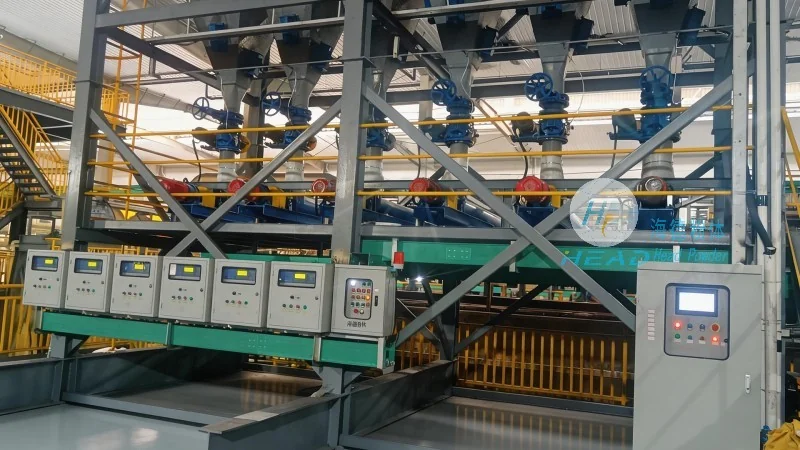
Negative pressure conveying, or vacuum pneumatic conveying, operates by creating a vacuum in the conveying line, which draws the material into the system. The material is then transported through the pipeline under the vacuum pressure. This mode is often used for longer-distance conveying and is suitable for applications where the material needs to be transported from multiple sources or over elevated distances. The negative pressure system typically includes a vacuum pump, a material feeder, and a receiver. The vacuum pump creates the necessary suction to draw the material, and the feeder ensures a steady flow. The receiver collects the material and may include a filter system to capture any fine particles that could be released during the conveying process.
Comparison of Positive Pressure and Negative Pressure Conveying Modes
When comparing positive pressure and negative pressure conveying modes for cement powder, several factors must be considered, including conveying distance, material characteristics, system complexity, and operational costs. Positive pressure systems are generally more suitable for shorter distances and higher material flow rates, as they can handle larger volumes with less pressure drop. However, they may require more robust equipment and higher energy consumption due to the need to maintain higher pressure levels. Negative pressure systems, on the other hand, are better suited for longer distances and may be more energy-efficient for certain applications, as the vacuum pump can operate at lower power levels. Additionally, negative pressure systems are often preferred for applications where the material is sensitive to pressure changes or where the system needs to be integrated with existing vacuum processes.

Key Considerations for Selecting the Right Conveying Mode
When selecting between positive pressure and negative pressure conveying modes for cement powder applications, several key factors should be evaluated. The first consideration is the conveying distance and layout of the system. Shorter distances and simple layouts are often better suited for positive pressure systems, while longer distances or complex layouts may require negative pressure systems. The second factor is the material characteristics, such as particle size, density, and abrasiveness. Abrasive materials like cement powder may cause more wear on the system components in positive pressure systems, while negative pressure systems may be more suitable for handling fine or dusty materials. The third factor is the system complexity and maintenance requirements. Positive pressure systems typically have fewer moving parts and are easier to maintain, while negative pressure systems may require more frequent filter changes and pump maintenance. The fourth factor is the operational costs, including energy consumption, equipment costs, and maintenance expenses. Positive pressure systems may have higher energy costs due to the need for high-pressure blowers, while negative pressure systems may have lower energy costs but higher filter replacement costs.
Conclusion
In conclusion, both positive pressure and negative pressure conveying modes have their advantages and limitations for cement powder pneumatic conveying systems. The choice between the two modes depends on the specific application requirements, including conveying distance, material characteristics, system complexity, and operational costs. HeadPowder, with its expertise in engineering and manufacturing, offers customized solutions tailored to the unique needs of each project. By understanding the operational principles and comparing the advantages and limitations of each mode, industry professionals can select the most suitable pneumatic conveying system to ensure efficient, reliable, and cost-effective material transport for cement powder applications.