

Technical Analysis of Cement Dry Ash Pneumatic Conveying Systems: Comparison of Positive Pressure an
Shandong HeadPowder Engineering Co., Ltd., commonly known as headpowder, specializes in the design, manufacturing, and installation of advanced pneumatic conveying systems for industrial applications. With a focus on efficiency and reliability, the company provides customized solutions tailored to the unique needs of clients in the cement industry and other sectors requiring dry material handling.
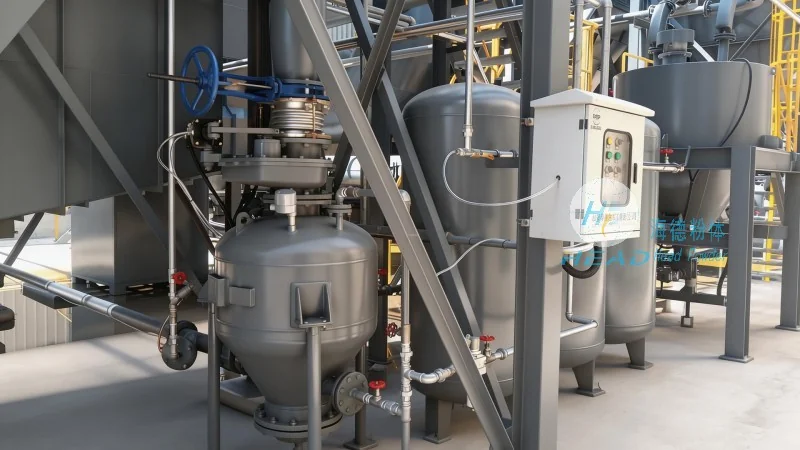
Introduction to Cement Dry Ash Pneumatic Conveying Systems
Cement dry ash, a byproduct of cement production, often requires efficient and safe transportation from storage silos to processing or disposal sites. Pneumatic conveying systems offer a versatile solution for this challenge, enabling the movement of dry powders through pipelines using air pressure. Two primary modes dominate the industry: positive pressure and negative pressure conveying. Understanding the technical differences and operational characteristics of each is crucial for selecting the most suitable system for a specific application.
Positive Pressure Conveying Systems: Advantages and Technical Features
Positive pressure systems operate by generating air pressure within the conveying pipeline, typically using a positive displacement blower or a centrifugal fan. The air is forced through the pipeline, carrying the cement dry ash particles forward. This mode is particularly effective for long-distance or high-rise applications, as the continuous pressure ensures consistent material flow. A key advantage is the ability to handle abrasive materials without significant wear on the system components, as the air is directed in a forward-moving stream. The system also allows for the integration of multiple delivery points, as the pressure can be maintained through branching pipelines. However, positive pressure systems require robust sealing to prevent air leakage, which can affect efficiency and safety. Additionally, the higher air velocity and pressure can lead to increased energy consumption compared to negative pressure systems.
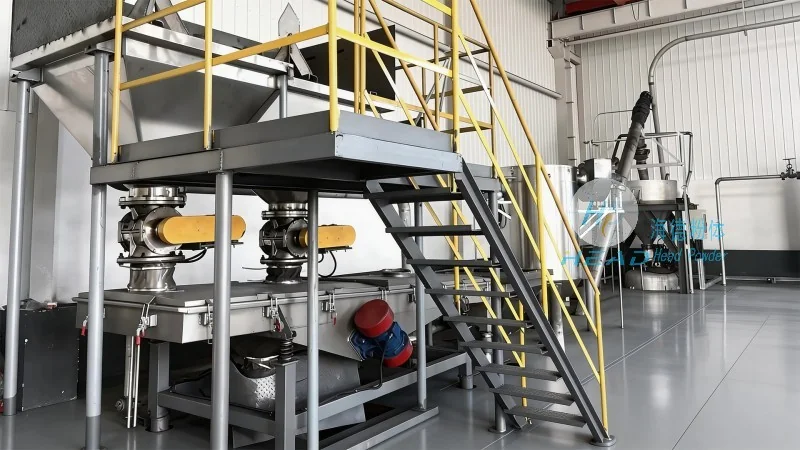
Negative Pressure Conveying Systems: Operational Principles and Benefits
Negative pressure systems, also known as vacuum conveying, operate by creating a vacuum in the pipeline, drawing the cement dry ash particles into the system. A vacuum pump or fan generates the low pressure, and the material is pulled through the pipeline towards the receiver. This mode is ideal for short-distance or low-rise applications, as the vacuum can be maintained over shorter distances without significant pressure drop. A major benefit is the lower energy consumption, as the system operates at lower air velocities and pressures. The negative pressure also reduces the risk of dust emissions, as the material is drawn into the system rather than being expelled. However, negative pressure systems are less suitable for long-distance transport due to the limitations of maintaining vacuum over extended pipelines. The system may also be more susceptible to blockages if the material is sticky or has high moisture content, as the vacuum can cause the material to adhere to the pipeline walls.
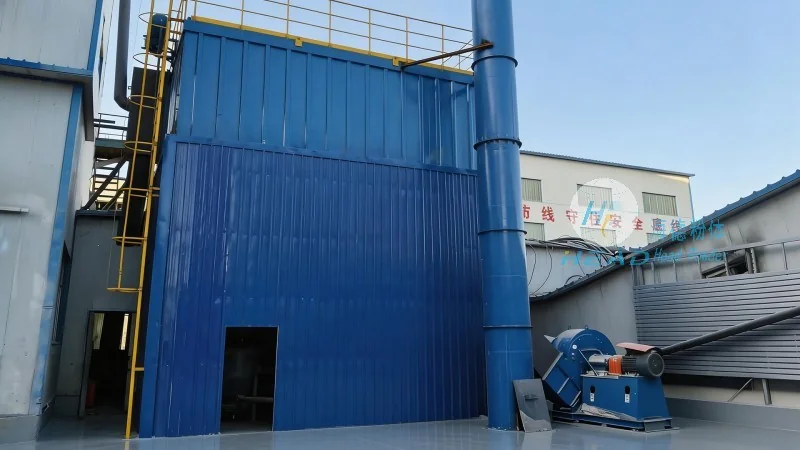
Comparative Analysis: Positive vs. Negative Pressure Conveying
When deciding between positive and negative pressure systems for cement dry ash handling, several factors must be considered. The distance and elevation between the source and destination are critical. For long distances or high-rise buildings, positive pressure systems are generally more efficient, as they can maintain pressure over greater distances. Conversely, for short distances or applications requiring minimal energy use, negative pressure systems may be preferable. The material characteristics also play a significant role. Abrasive or high-density materials benefit from the forward-moving air in positive pressure systems, reducing wear and ensuring consistent flow. In contrast, fine or low-density materials may perform better in negative pressure systems, where the vacuum can effectively capture and transport the particles without excessive air usage. Environmental considerations are another key factor. Positive pressure systems may require additional filtration to control dust emissions, while negative pressure systems inherently limit dust release. The cost of installation and maintenance is also a consideration. Positive pressure systems often involve more complex components, such as high-pressure blowers, which can increase upfront costs but may have lower long-term maintenance due to reduced wear. Negative pressure systems, while potentially cheaper to install, may require more frequent maintenance to prevent blockages and ensure consistent vacuum levels.
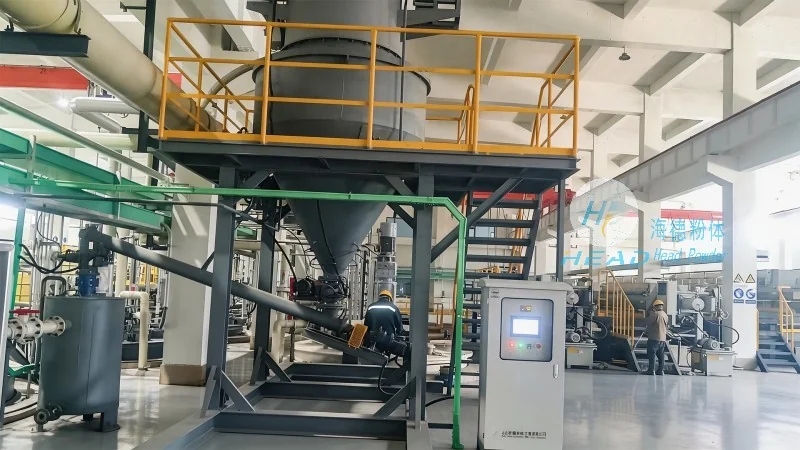
System Design Considerations for Cement Dry Ash Conveying
Regardless of the chosen conveying mode, proper system design is essential for optimal performance. The pipeline layout must account for the material's flow characteristics, including its density, particle size, and moisture content. For positive pressure systems, the pipeline should be sloped slightly downward from the source to the destination to facilitate material movement. The use of elbows and bends should be minimized to reduce pressure drop and prevent blockages. In negative pressure systems, the pipeline should be sloped upward from the source to the destination to ensure the material is drawn towards the vacuum source. The selection of appropriate air velocity is critical; too low a velocity may cause material settling, while too high a velocity can lead to excessive wear and energy consumption. The system should also include proper filtration and dust collection equipment to comply with environmental regulations and maintain air quality. For cement dry ash, which can be a fine powder, high-efficiency filters are recommended to prevent dust accumulation and ensure safe operation. The control system plays a vital role in managing the conveying process, allowing for automatic start-up and shutdown based on material levels and system pressure. This automation enhances operational efficiency and reduces the risk of human error.
Conclusion and Company Expertise
Choosing the right pneumatic conveying system for cement dry ash handling requires a thorough understanding of the operational requirements and material characteristics. Positive pressure and negative pressure systems each offer unique advantages and limitations, making the selection dependent on specific project needs. Shandong HeadPowder Engineering Co., Ltd. leverages its expertise in industrial engineering to provide customized solutions that optimize material flow, energy efficiency, and safety. By carefully evaluating the distance, material properties, and environmental factors, clients can select the most suitable conveying mode, ensuring reliable and cost-effective operation. The company's commitment to quality and innovation ensures that its systems meet the highest standards of performance and durability, supporting long-term operational success in the cement industry and beyond.