

Technical Analysis of Pigment Granule Pneumatic Conveying Systems: Comparison of Positive Pressure v
For industries dealing with pigment granules, efficient material handling is crucial for maintaining production efficiency and product quality. Pneumatic conveying systems offer a non-contact, flexible solution for transporting these materials. This article provides a technical analysis of the two primary modes of operation—positive pressure and negative pressure—and compares their applications, advantages, and limitations. The discussion is based on the expertise of Shandong HeadPowder Engineering Co., Ltd., a leading provider in the field, with a focus on practical considerations for selecting the appropriate system for specific industrial needs.
Understanding Positive Pressure Pneumatic Conveying
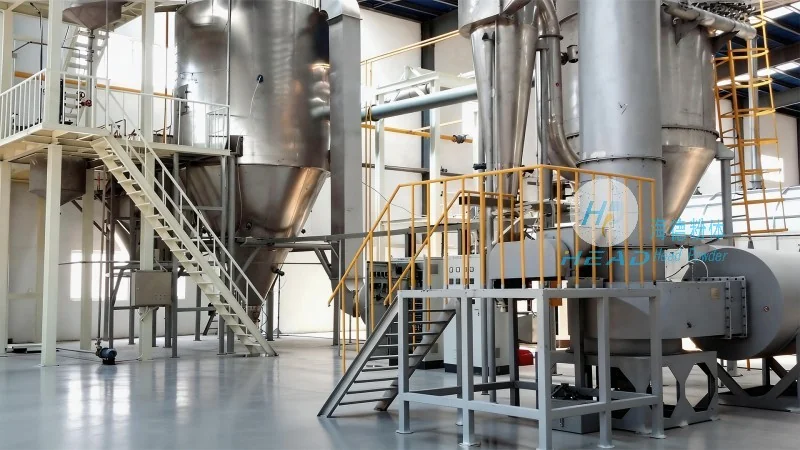
Positive pressure systems operate by blowing air or a carrier gas into the conveying line, creating a pressure higher than the ambient air pressure. This method is commonly used for short to medium distance transport and is particularly effective for handling abrasive or sensitive pigments. The system typically includes a blower, a hopper for material storage, and a discharge point where the material is released under pressure. The high pressure ensures that the material is moved quickly and reliably, minimizing the risk of clogging in the line. However, positive pressure systems may require more robust equipment to handle the higher pressures, and they can be less energy-efficient for long-distance applications due to the need to maintain elevated pressure throughout the entire line.
Advantages of Positive Pressure Conveying
One of the key advantages of positive pressure systems is their ability to handle a wide range of materials, including those with high moisture content or those that are prone to agglomeration. The high pressure helps to break up clumps and ensure consistent flow. Additionally, positive pressure systems are generally more suitable for vertical or inclined transport, as the pressure can overcome gravitational forces effectively. They also offer better control over the material flow rate, which is essential for maintaining uniform product quality. The system's design allows for easy integration with existing production lines, making it a versatile choice for various industrial applications.
Challenges and Limitations of Positive Pressure Systems
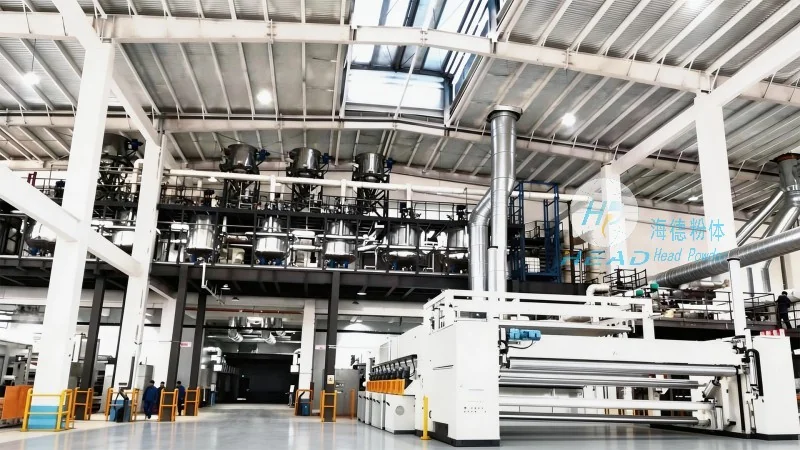
Despite their advantages, positive pressure systems have some limitations. The high pressure can lead to increased wear and tear on the equipment, particularly the blower and the conveying line, which may require more frequent maintenance. The energy consumption is also higher compared to negative pressure systems, especially for long-distance transport. Another consideration is the potential for dust emissions, as the high pressure can cause particles to be expelled from the system if not properly contained. This requires additional filtration and dust control measures to comply with environmental regulations.
Understanding Negative Pressure Pneumatic Conveying
Negative pressure systems, also known as suction or vacuum systems, operate by creating a vacuum in the conveying line, drawing material from the source into the system. This method is ideal for long-distance transport and is commonly used in applications where the material needs to be transported from a distant source to a processing unit. The system typically includes a vacuum pump, a hopper, and a discharge point where the material is released under vacuum. The vacuum ensures that the material is drawn into the line without the need for high pressure, reducing the risk of clogging and wear on the equipment. However, negative pressure systems may have limitations in handling materials with high moisture content or those that are prone to bridging in the hopper.
Advantages of Negative Pressure Conveying
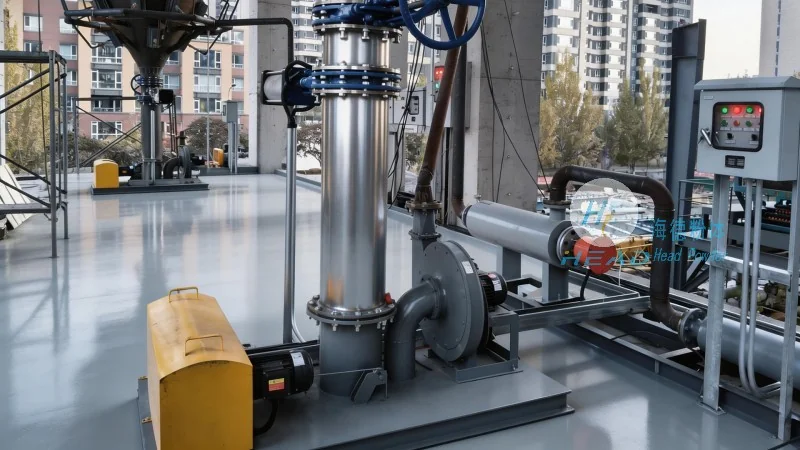
One of the main advantages of negative pressure systems is their energy efficiency for long-distance transport. By creating a vacuum, the system can move material over longer distances with less energy compared to positive pressure systems. This makes them a cost-effective solution for large-scale operations. Additionally, negative pressure systems are generally more suitable for handling fine powders and granules that are prone to static electricity, as the vacuum helps to reduce the buildup of static charges. The system also offers better control over the material flow rate, which is crucial for maintaining consistent product quality. The design is also more compact, as it does not require a high-pressure blower, making it easier to integrate into existing facilities.
Challenges and Limitations of Negative Pressure Systems
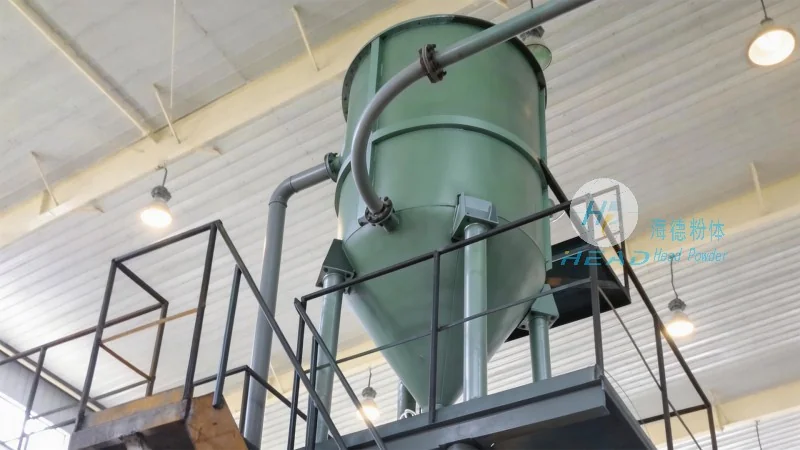
Despite their energy efficiency, negative pressure systems have some challenges. The main limitation is their ability to handle abrasive or heavy materials, as the vacuum may not provide enough force to move them effectively. The system is also more susceptible to clogging in the hopper and the suction line, especially if the material has high moisture content or is prone to bridging. This requires regular maintenance and cleaning to ensure smooth operation. Another consideration is the potential for dust emissions, as the vacuum can cause particles to be drawn into the system if not properly sealed. This requires additional filtration and dust control measures to comply with environmental regulations. Additionally, the vacuum pump may require more maintenance compared to a blower, as it operates under higher vacuum conditions.
Key Factors in Selecting the Right Conveying Mode
When choosing between positive pressure and negative pressure pneumatic conveying systems, several factors must be considered. The first is the distance of the transport. Positive pressure systems are generally suitable for short to medium distances, while negative pressure systems are better for long distances. The second is the material properties, including particle size, moisture content, and abrasiveness. For abrasive or sensitive materials, positive pressure systems may be preferred, while fine powders may benefit from negative pressure. The third is the energy efficiency requirements. For large-scale operations, negative pressure systems may offer better cost savings over time. The fourth is the available space and integration with existing equipment. Positive pressure systems may require more space for the blower and higher pressure components, while negative pressure systems are more compact. The fifth is the environmental regulations and dust control requirements. Both systems require proper filtration and dust control measures, but the design may differ based on the mode of operation.