

Introduction to Cement Clinker Conveying Systems and the Advantages of Pneumatic Conveying for Cemen
Cement clinker, a critical component in the production of cement, requires efficient and reliable transportation from the clinker cooler to storage silos or for further processing. The cement clinker conveying system is designed to handle this material with precision, ensuring minimal loss, contamination, and energy consumption. At Shandong HeadPowder Engineering Co., Ltd., a leading provider of material handling solutions, we specialize in delivering advanced systems that meet the highest industrial standards for cement clinker transport. Our headquarters are located in Shandong, China, where we leverage decades of experience to develop innovative solutions tailored to the needs of the cement industry.
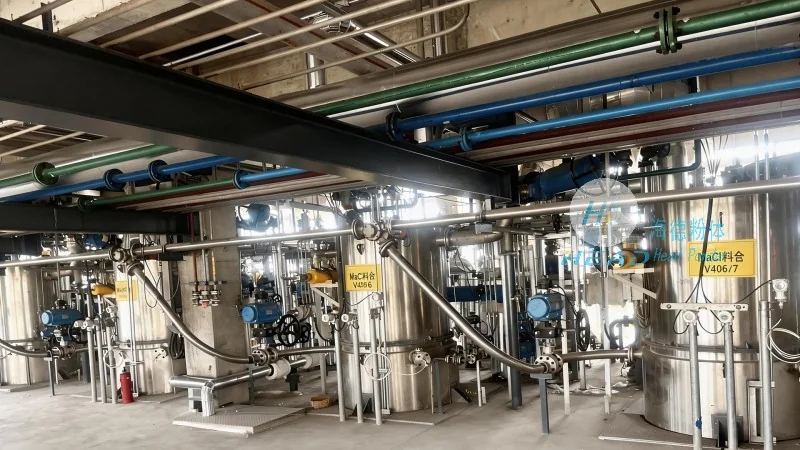
Key Components of a Typical Cement Clinker Conveying System
A standard cement clinker conveying system typically includes several key components. These may consist of clinker coolers, feeders, pneumatic conveying pipelines, dust collectors, and storage silos. The system is engineered to maintain the clinker's temperature and quality during transport, which is crucial for downstream processes such as grinding and packaging. Each component is selected based on the specific requirements of the cement plant, including clinker flow rate, distance to be conveyed, and the desired level of automation.
The Role of Pneumatic Conveying in Cement Clinker Handling
Pneumatic conveying has emerged as a preferred method for transporting cement clinker due to its versatility and efficiency. Unlike traditional mechanical conveying systems, pneumatic conveyors use air to move material through pipelines, offering several advantages. This technology is particularly suitable for handling abrasive materials like cement clinker, as it minimizes wear and tear on equipment. Additionally, pneumatic systems can be designed for both positive and negative pressure operation, allowing for flexible integration into existing plant layouts.
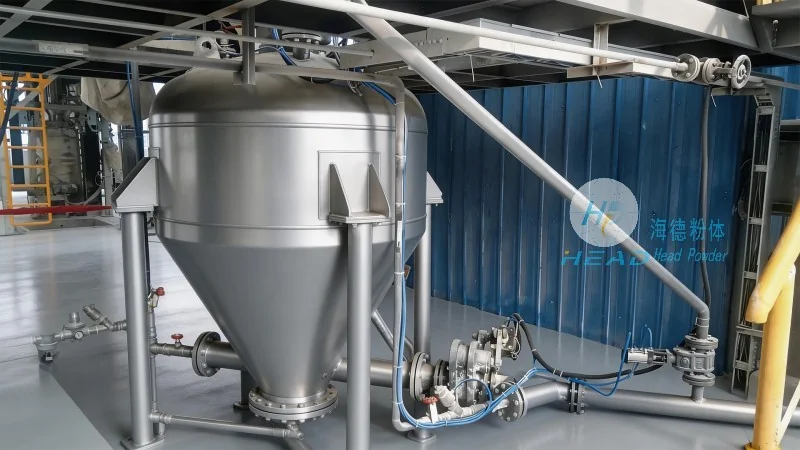
Advantages of Pneumatic Conveying for Cement Clinker
There are numerous benefits associated with using pneumatic conveying for cement clinker transport. One of the most significant advantages is the ability to handle high volumes of material over long distances with minimal maintenance. The system is also highly adaptable, allowing for changes in flow rates and operational conditions without major modifications. Furthermore, pneumatic conveyors can be integrated with dust collection systems, ensuring compliance with environmental regulations and maintaining a clean working environment. The energy efficiency of modern pneumatic systems also contributes to lower operational costs, making them an attractive option for cement manufacturers.
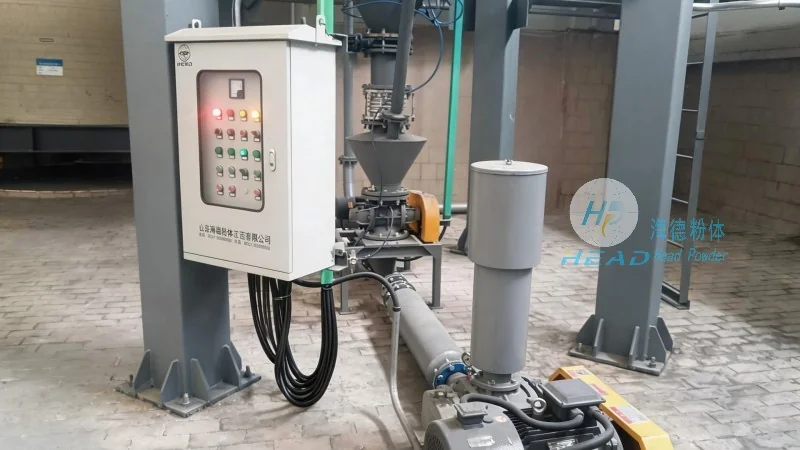
Customized Solutions by HeadPowder
At Shandong HeadPowder Engineering Co., Ltd., we understand that each cement plant has unique requirements. Our team of experts works closely with clients to design and implement customized cement clinker conveying systems that meet their specific needs. Whether it's a new plant construction or an upgrade to an existing facility, our solutions are tailored to optimize performance, reduce downtime, and enhance overall productivity. We leverage advanced engineering and years of industry experience to deliver systems that are reliable, durable, and cost-effective.
Conclusion
In conclusion, the cement clinker conveying system, particularly when utilizing pneumatic conveying technology, plays a vital role in the efficient operation of cement production facilities. The advantages of such systems, including high efficiency, flexibility, and environmental compliance, make them indispensable in modern cement manufacturing. By choosing a reputable supplier like Shandong HeadPowder Engineering Co., Ltd., cement producers can ensure that their material handling processes are optimized for performance and longevity.