

Introduction to Textile Fiber Conveying Systems and the Advantages of Pneumatic Conveying for Textil
Textile fiber conveying systems play a crucial role in the modern textile manufacturing industry, enabling efficient and reliable transportation of various fiber types from raw material handling to processing stages. These systems are essential for optimizing production workflows, ensuring consistent material quality, and maintaining a clean working environment. The technology behind these systems has evolved significantly, with pneumatic conveying emerging as a preferred method for many textile operations due to its unique advantages.
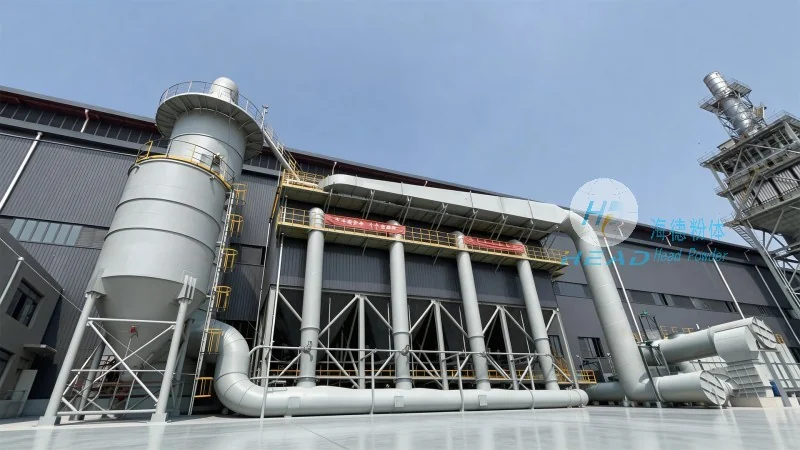
Understanding Textile Fiber Conveying Systems
Textile fiber conveying systems are engineered to handle the transportation of fibers such as cotton, polyester, nylon, and other synthetic or natural fibers. These systems are designed to meet the specific demands of the textile industry, including high throughput, low material degradation, and minimal contamination. The core components of a typical textile fiber conveying system include feed hoppers, conveyors (either pneumatic or mechanical), control panels, and discharge units. Each component works in harmony to ensure smooth and continuous material flow, which is critical for maintaining production efficiency.
The Advantages of Pneumatic Conveying for Textile Fibers
Pneumatic conveying, also known as air-based conveying, offers several key advantages over traditional mechanical systems in the textile sector. One of the most significant benefits is its ability to handle a wide range of fiber types and particle sizes without causing damage or degradation. This is particularly important for delicate fibers like cotton or fine synthetic fibers, where mechanical friction or impact can lead to fiber breakage and loss of quality. Additionally, pneumatic conveying systems provide a closed-loop operation, which helps in maintaining a clean and dust-free environment, reducing the risk of contamination and improving workplace safety.
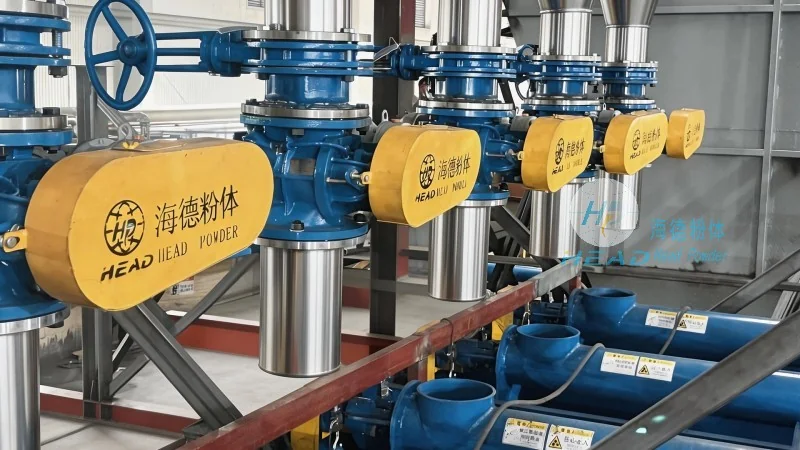
Another advantage is the flexibility and scalability of pneumatic conveying systems. They can be easily integrated into existing production lines and can be adjusted to accommodate varying production volumes. The system's ability to handle both low and high-pressure operations allows for customization based on the specific requirements of the textile facility. Furthermore, pneumatic conveying reduces the need for manual handling, minimizing labor costs and the risk of workplace injuries associated with moving heavy or bulky fiber bales.
Key Features and Components of Pneumatic Conveying Systems
The effectiveness of a textile fiber pneumatic conveying system depends on several key features and components. The feed system, which includes hoppers and feeders, is responsible for accurately and consistently feeding the fibers into the conveying line. Properly designed feed mechanisms prevent material bridging and ensure a steady flow of material. The conveying line itself, often made of stainless steel or other corrosion-resistant materials, is designed to withstand the abrasive nature of textile fibers and maintain hygiene standards.
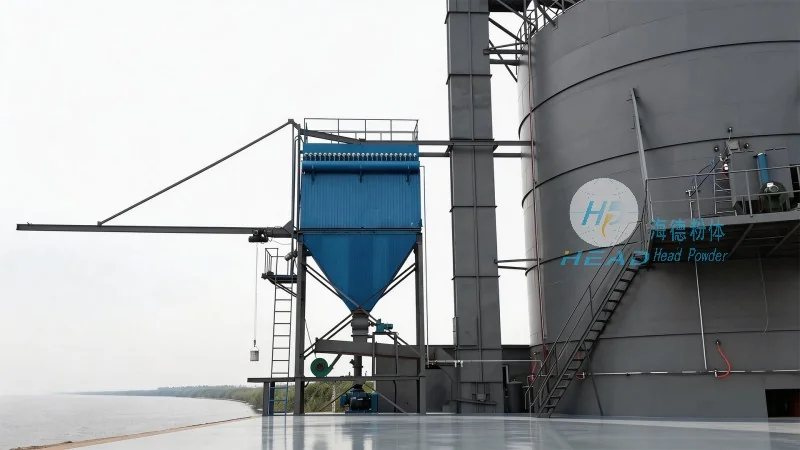
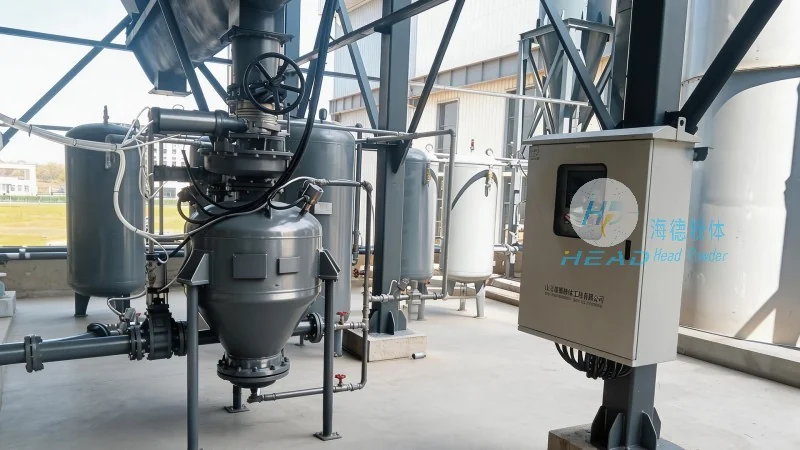
Control systems are another critical component, as they regulate the pressure, flow rate, and direction of the conveying process. Modern control systems often incorporate advanced sensors and automation technology to optimize performance and minimize downtime. These systems can monitor various parameters such as pressure, temperature, and flow rate, providing real-time feedback and allowing for immediate adjustments if any issues arise. The discharge unit, which includes cyclones or filters, separates the fibers from the air stream, ensuring that the material is deposited accurately and without loss.
Applications in Textile Manufacturing
Textile fiber conveying systems are widely used in various stages of textile production. In raw material handling, these systems efficiently transport bales or bags of fibers from storage areas to the processing machinery. During the spinning and weaving stages, pneumatic conveying helps in moving fibers from the blending and mixing processes to the looms or spinning machines. Additionally, in finishing and packaging operations, the systems ensure that finished fibers or yarns are transported safely and efficiently to storage or shipping areas.
For companies operating in the textile industry, investing in an efficient fiber conveying system can lead to significant improvements in productivity and cost reduction. By minimizing material loss, reducing downtime, and improving overall workflow, these systems contribute to the long-term success of textile manufacturing operations. The choice of a pneumatic conveying system, in particular, offers a sustainable and effective solution for handling textile fibers, aligning with the industry's need for efficiency and quality.
Shandong HeadPowder Engineering Co., Ltd., a leading provider of textile fiber conveying solutions, specializes in designing and manufacturing customized pneumatic conveying systems tailored to the unique needs of textile manufacturers. With a focus on innovation and quality, the company has established itself as a trusted partner in the industry, offering comprehensive solutions that enhance production efficiency and ensure the highest standards of material handling. HeadPowder's expertise in textile fiber technology and pneumatic conveying systems allows them to deliver systems that meet the specific requirements of clients, regardless of the scale or complexity of their operations.