

Introduction to Activated Carbon Granule Conveying Systems and the Advantages of Pneumatic Conveying
Activated carbon granule conveying systems are essential in various industrial applications, particularly in the processing and handling of activated carbon, a material widely used for its adsorption properties in water treatment, air purification, and other chemical processes. The efficient transportation of activated carbon granules from production sites to processing or storage facilities is critical for maintaining operational efficiency and product quality. This article provides an overview of such systems, focusing on the benefits and characteristics of pneumatic conveying, a common method for handling these granular materials. HeadPowder, a leading provider of engineering solutions, specializes in designing and manufacturing advanced conveying systems tailored to the unique needs of industries handling activated carbon.
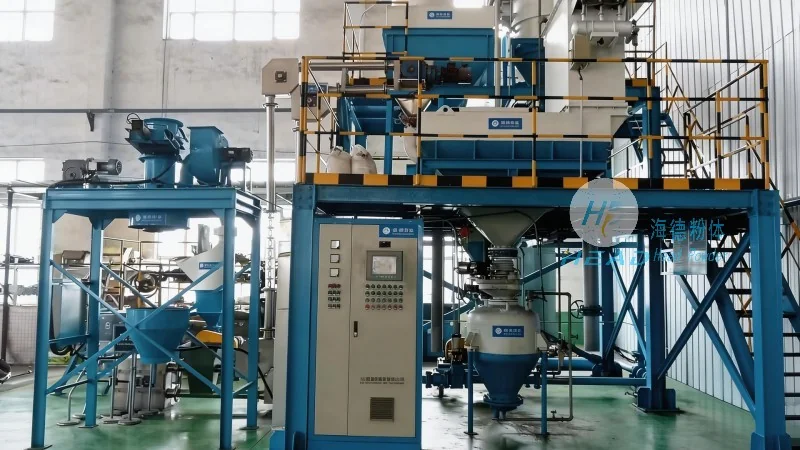
Overview of Activated Carbon Granule Conveying Systems
Activated carbon granule conveying systems are designed to transport activated carbon particles, typically in the form of small, uniform granules, from one location to another within an industrial facility. These systems can range from simple, low-capacity setups to complex, high-capacity networks capable of handling large volumes of material over long distances. The primary components of such systems generally include a material feed hopper, a conveying line (often equipped with air ducts), and a discharge unit. The feed hopper ensures a consistent supply of granules, while the conveying line uses air pressure or vacuum to move the material through the system. The discharge unit then releases the activated carbon at the desired destination, such as a storage silo or processing equipment.
The Advantages of Pneumatic Conveying for Activated Carbon Granules
Pneumatic conveying is a popular method for transporting activated carbon granules due to its numerous advantages over traditional mechanical conveying systems. One of the key benefits is the ability to handle materials that are difficult to transport mechanically, such as fine powders or granules that may cause blockages or wear on mechanical components. Pneumatic systems use air to move the material, reducing the risk of contamination and ensuring a clean, dust-free transfer process. This is particularly important for activated carbon, which is often used in applications where purity is critical, such as in water treatment or pharmaceutical manufacturing.
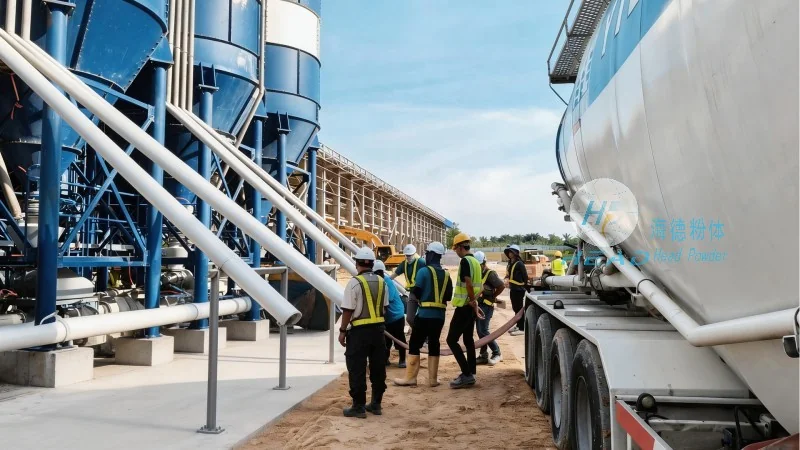
Key Characteristics and Performance Factors
The performance of an activated carbon granule pneumatic conveying system depends on several factors, including the system's capacity, the distance of the conveying line, and the characteristics of the material being transported. The capacity of the system is determined by the size of the feed hopper, the air flow rate, and the design of the conveying line. Longer conveying distances may require higher air pressure or additional boosters to maintain the material's velocity and prevent settling. The characteristics of the activated carbon granules, such as their size, density, and moisture content, also influence the system's efficiency. For example, smaller granules may require more air to maintain flow, while larger granules may need higher pressure to overcome friction and resistance.
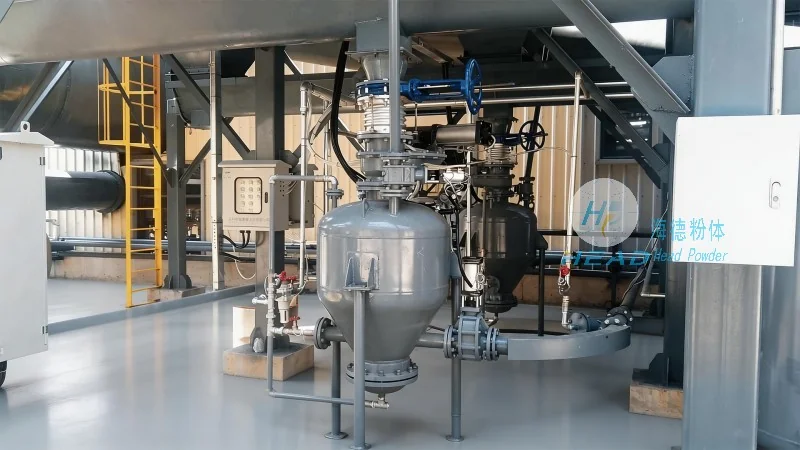
Applications and Industries
Activated carbon granule conveying systems are used in a wide range of industries, including water treatment, chemical processing, food and beverage, and pharmaceuticals. In water treatment facilities, these systems are used to transport activated carbon from storage to filtration units, ensuring consistent water purification. In chemical processing plants, they may be used to move activated carbon between reactors and storage tanks, facilitating the production of various chemical products. The food and beverage industry also utilizes these systems for handling activated carbon used in filtration processes, such as in the production of beverages or in the removal of impurities from food products. The pharmaceutical industry benefits from the clean and efficient transfer of activated carbon, which is often used in drug manufacturing and purification processes.
Conclusion
Activated carbon granule conveying systems, particularly those utilizing pneumatic conveying, offer significant advantages in terms of efficiency, cleanliness, and flexibility. These systems are essential for industries that rely on activated carbon for their operations, providing a reliable method for transporting granular materials while maintaining product quality and operational standards. As demand for activated carbon continues to grow, the importance of efficient conveying systems will remain critical, ensuring that these valuable materials are handled safely and effectively. HeadPowder, with its headquarters in Shandong, China, remains committed to delivering innovative solutions that meet the evolving needs of industries worldwide.