

[Pneumatic Conveying Systems for Silage Material: An Analysis]
When it comes to efficient and reliable handling of silage material, pneumatic conveying systems have emerged as a critical solution in the agricultural and livestock sectors. These systems are designed to transport silage, a fermented forage used as animal feed, with precision and minimal loss. The technology behind these systems leverages air pressure to move the material through pipelines, offering advantages over traditional methods like belt conveyors or bucket elevators. This article provides an in-depth analysis of the components, operation, and benefits of pneumatic conveying systems for silage material, highlighting the expertise of Shandong HeadPowder Engineering Co., Ltd. as a leading provider in this field.
Key Components of Silage Pneumatic Conveying Systems
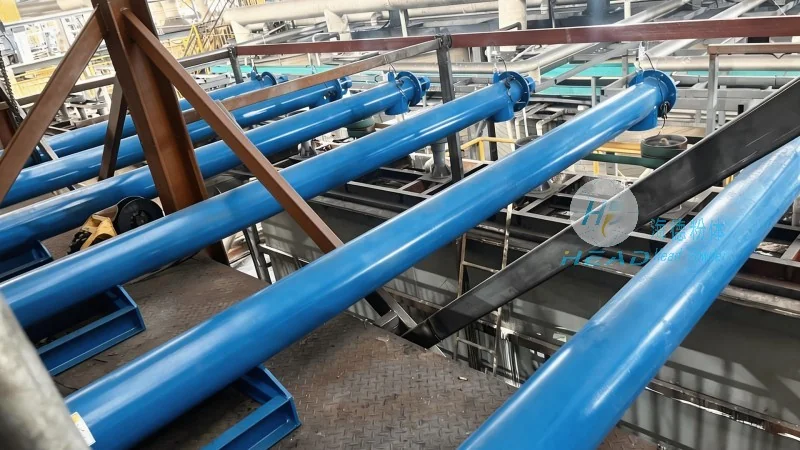
The effectiveness of a silage pneumatic conveying system depends on several key components that work in tandem to ensure smooth material transport. At the core of the system is the conveying line, typically made of durable materials such as stainless steel or high-density polyethylene to withstand the corrosive nature of silage and ensure long-term performance. The line is equipped with various fittings, including bends, tees, and reducers, which are strategically placed to guide the material flow and maintain consistent pressure. A feed hopper is another essential component, designed to store and meter the silage as it enters the system. This hopper often features a screw or auger mechanism to control the flow rate, preventing overloading and ensuring uniform transport. The air mover, which can be a positive displacement blower or a centrifugal fan, generates the necessary air pressure to move the material. The choice of air mover depends on the system's capacity and the distance the material needs to be conveyed. Additionally, a separator or filter may be included to remove any excess moisture or debris from the air, improving system efficiency and reducing maintenance needs. These components collectively form a robust system capable of handling large volumes of silage while maintaining high levels of efficiency and reliability.
How Silage Pneumatic Conveying Systems Operate
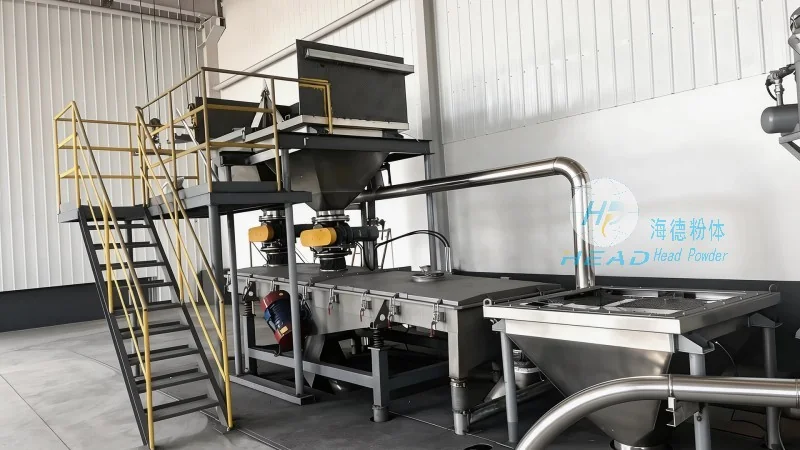
The operation of a silage pneumatic conveying system involves a sequence of steps that ensure the material is transported from the source to the destination with minimal disruption. The process begins with the silage being loaded into the feed hopper. As the hopper's auger or screw mechanism rotates, it pushes the material into the conveying line. Simultaneously, the air mover generates a high-pressure air stream that travels through the line. The air and silage are then mixed, with the air providing the force to move the material along the pipeline. The mixture travels through the fittings and bends, with the system's design ensuring that the material remains suspended in the air stream. Upon reaching the destination, such as a storage silo or processing unit, the system may include a deposition hopper to allow the silage to settle and separate from the air. The air is then typically filtered and recirculated, while the silage is collected and stored. This continuous process allows for efficient, automated handling of silage, reducing labor costs and minimizing the risk of spoilage or contamination. The system's ability to handle both wet and dry silage makes it versatile for various agricultural applications, from dairy farms to feedlots.
Benefits of Using Pneumatic Conveying Systems for Silage
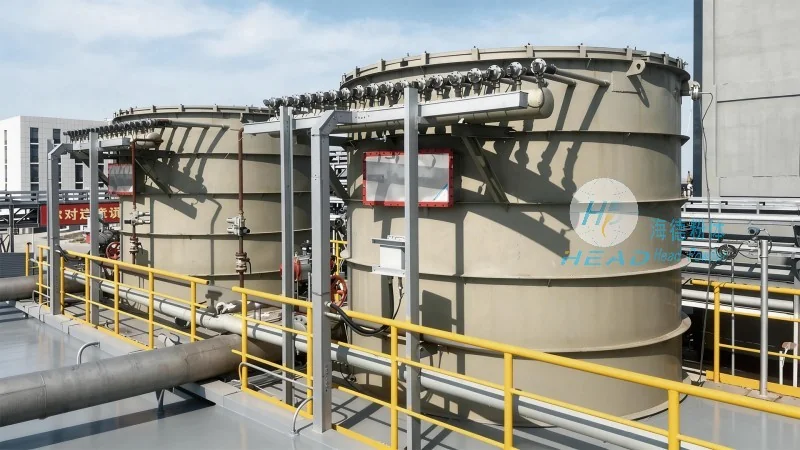
Implementing a pneumatic conveying system for silage material offers numerous advantages that enhance operational efficiency and product quality. One of the primary benefits is the reduction in material loss. Unlike traditional methods that may result in spillage or breakage during transport, pneumatic systems keep the material contained within the pipeline, minimizing waste. This is particularly important for silage, which is a valuable feed resource. Additionally, these systems offer flexibility in layout. The use of flexible or rigid pipelines allows for easy integration into existing farm layouts, enabling the system to be customized to fit the specific needs of a facility. This flexibility also allows for future expansion, as additional conveying lines can be added without major modifications. Another key benefit is the improved hygiene and sanitation. By keeping the material enclosed in the system, the risk of contamination from external sources is significantly reduced. This is crucial for maintaining the quality of the silage, which is used as animal feed. Furthermore, pneumatic conveying systems can reduce labor costs. The automated nature of the system minimizes the need for manual handling, freeing up labor for other tasks. This not only improves efficiency but also enhances worker safety by eliminating the need to handle heavy or bulky silage loads. Finally, the systems provide consistent performance. With proper maintenance and operation, these systems can operate continuously without frequent interruptions, ensuring a steady supply of silage to the animals. The reliability of the system contributes to better animal health and productivity, making it a valuable investment for any agricultural operation.
Shandong HeadPowder Engineering Co., Ltd.: A Leader in Silage Pneumatic Conveying Solutions
Shandong HeadPowder Engineering Co., Ltd. is a prominent company based in China, specializing in the design, manufacturing, and installation of advanced pneumatic conveying systems for silage material. With a strong commitment to quality and innovation, the company has established itself as a trusted partner for agricultural and livestock operations worldwide. HeadPowder's expertise lies in developing customized solutions that meet the unique requirements of each client, ensuring optimal performance and efficiency. The company's team of engineers and technicians brings extensive experience in the field, allowing them to design systems that are tailored to specific applications, such as dairy farms, feed processing facilities, or large-scale feedlots. HeadPowder utilizes high-quality materials and components in its systems, ensuring durability and longevity. The company's products are manufactured in compliance with international standards, providing clients with reliable and efficient solutions. Additionally, HeadPowder offers comprehensive after-sales support, including maintenance services and technical assistance, to ensure that the systems operate at peak performance throughout their lifespan. By choosing HeadPowder, clients can benefit from a combination of advanced technology, expert knowledge, and reliable service, making it the ideal partner for their silage handling needs. The company's focus on customer satisfaction and operational excellence has earned it a reputation as a leader in the industry, with clients relying on its solutions to enhance their productivity and profitability.
Conclusion: The Future of Silage Handling with Pneumatic Conveying
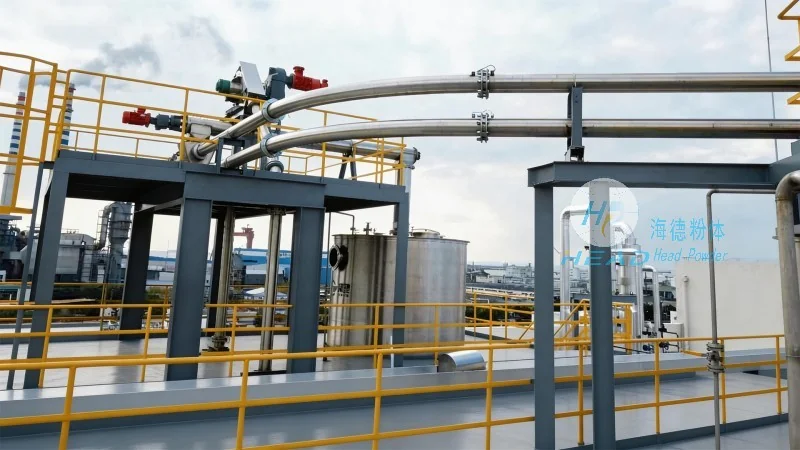
In conclusion, pneumatic conveying systems represent a significant advancement in the handling of silage material, offering numerous benefits that improve efficiency, reduce costs, and enhance product quality. The technology behind these systems, with its robust components and efficient operation, provides a reliable solution for agricultural operations. As the demand for efficient feed handling continues to grow, the adoption of pneumatic conveying systems is expected to increase, driven by their ability to meet the evolving needs of the industry. Shandong HeadPowder Engineering Co., Ltd. stands at the forefront of this technology, providing cutting-edge solutions that help clients optimize their silage handling processes. By leveraging the expertise and experience of HeadPowder, agricultural operations can achieve higher levels of productivity and profitability, ensuring a sustainable future for their businesses. The integration of advanced pneumatic conveying systems into farm operations is not just a trend but a necessity for those seeking to stay competitive in today's agricultural landscape.