

Analysis of Lithium-Ion Battery Pneumatic Conveying Systems
Understanding the technology and applications of pneumatic conveying systems specifically designed for lithium-ion battery materials is crucial for industries involved in battery manufacturing and recycling. This article provides an in-depth look at the components, functionality, and benefits of such systems, tailored to the unique characteristics of lithium-ion battery components.
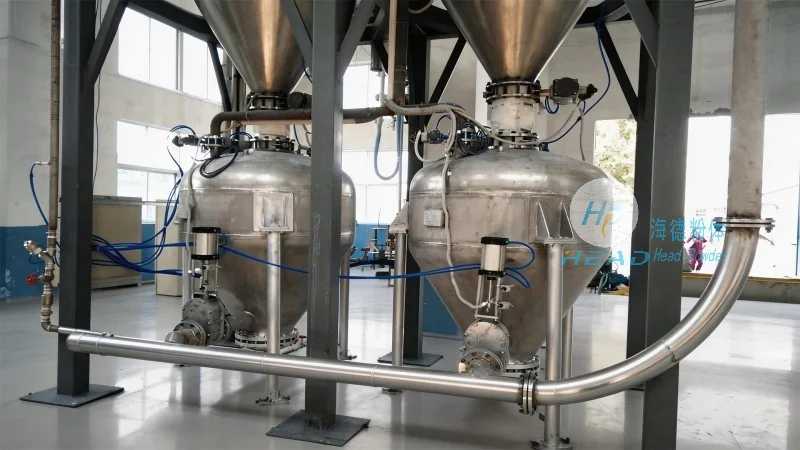
Key Components of the Pneumatic Conveying System
The lithium-ion battery pneumatic conveying system consists of several critical components that work in tandem to ensure efficient material handling. These include the hopper for material storage, the air compressor that generates the necessary pressure, the conveying line (often made of stainless steel or other corrosion-resistant materials to handle battery powders and granules), and the control system for regulating airflow and pressure. Each component is designed to withstand the abrasive and potentially reactive nature of battery materials, ensuring durability and safety.
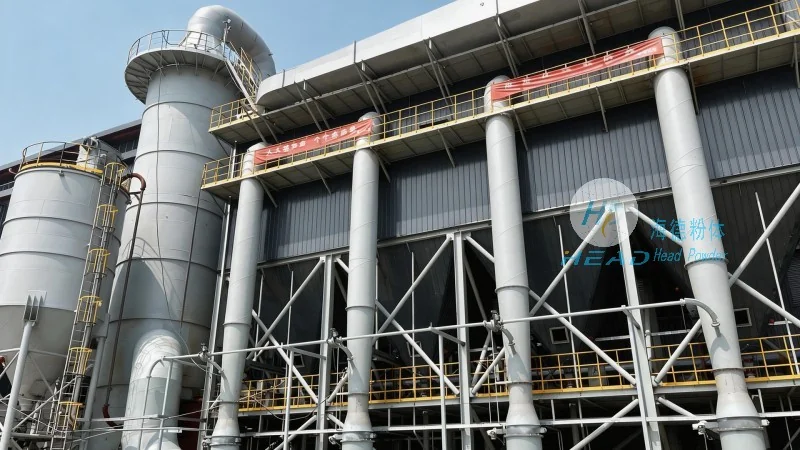
How the System Operates
The operation of a lithium-ion battery pneumatic conveying system involves the following steps: material is fed from the hopper into the conveying line, where it is mixed with compressed air. The air-borne material is then transported through the pipeline to the discharge point. The system uses either positive or negative pressure (or a combination of both) depending on the application, with positive pressure being common for transporting powders and granules over longer distances. The control system monitors and adjusts the airflow to maintain consistent material flow rates, preventing blockages and ensuring smooth operation.
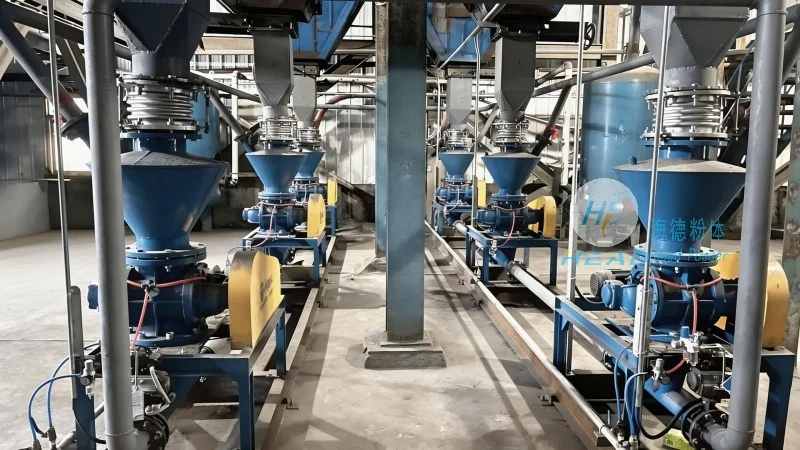
Benefits of Using a Pneumatic Conveying System for Lithium-Ion Batteries
Implementing a pneumatic conveying system for lithium-ion battery materials offers several advantages. Firstly, it provides a dust-free and enclosed environment, which is essential for maintaining material purity and preventing contamination, especially in battery production where quality control is paramount. Secondly, the system offers high efficiency in material transport, reducing labor costs and increasing production throughput. Additionally, it minimizes the risk of material degradation due to exposure to air or moisture, which can affect battery performance. The enclosed design also enhances workplace safety by containing dust and preventing the release of hazardous particles.
Applications in Battery Manufacturing and Recycling
Lithium-ion battery pneumatic conveying systems are widely used in both the manufacturing and recycling stages of the battery lifecycle. In manufacturing, they are used to transport raw materials such as lithium carbonate, nickel, cobalt, and other additives to the mixing and cell formation processes. In recycling, the system efficiently handles shredded or ground battery components, transporting them to the sorting and processing stages where valuable materials are recovered. The versatility of the system allows it to handle various forms of battery materials, from powders to granules, making it suitable for different stages of the battery production and recycling process.
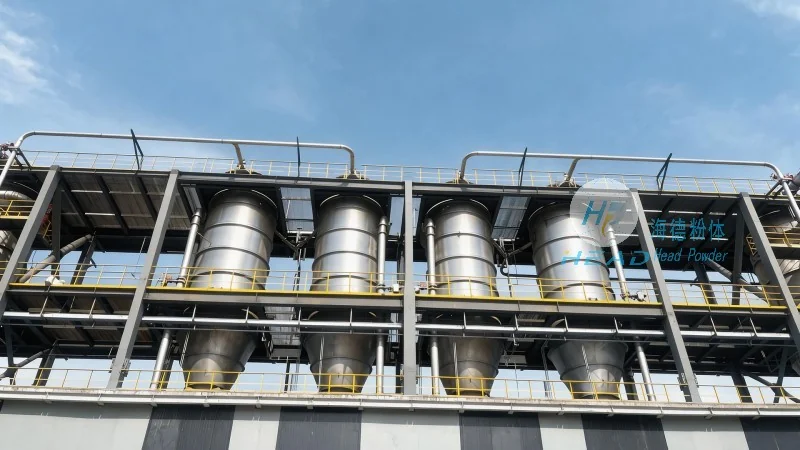
About Shandong HeadPowder Engineering Co., Ltd.
Shandong HeadPowder Engineering Co., Ltd., operating under the brand name headpowder, is a leading manufacturer of specialized pneumatic conveying systems. With a focus on engineering solutions tailored to the needs of the battery industry, the company has developed advanced systems that meet the stringent requirements of lithium-ion battery production and recycling. HeadPowder's systems are designed with durability, efficiency, and safety in mind, ensuring reliable performance in demanding industrial environments. The company's headquarters is located in Shandong, China, where it continues to innovate and provide high-quality equipment to clients worldwide.