

Analysis of Polycrystalline Silicon Pneumatic Conveying Systems
Polycrystalline silicon is a critical material in the semiconductor industry, used extensively in the production of solar cells and other electronic components. The efficient and reliable transport of this material from one processing stage to another is essential for maintaining high production yields and operational efficiency. Pneumatic conveying systems have emerged as a preferred solution for handling polycrystalline silicon due to their ability to minimize material degradation, reduce contamination risks, and provide flexible and scalable transport capabilities. This article provides an in-depth analysis of the key components, operational principles, and practical considerations involved in designing and implementing an effective polycrystalline silicon pneumatic conveying system.
Key Components of a Polycrystalline Silicon Pneumatic Conveying System
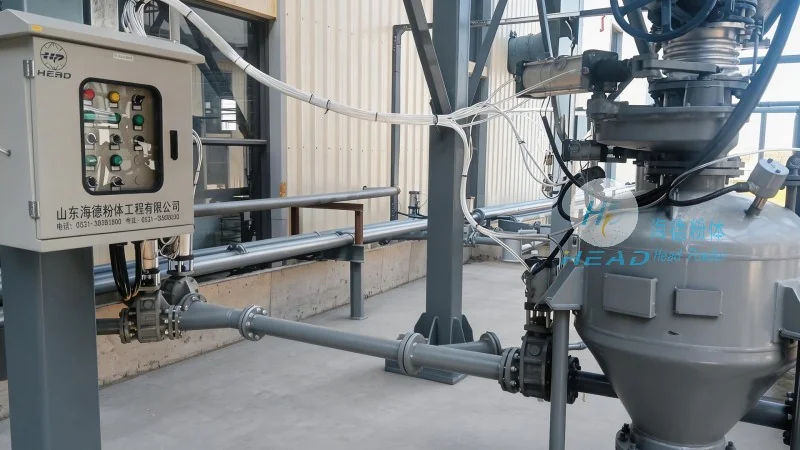
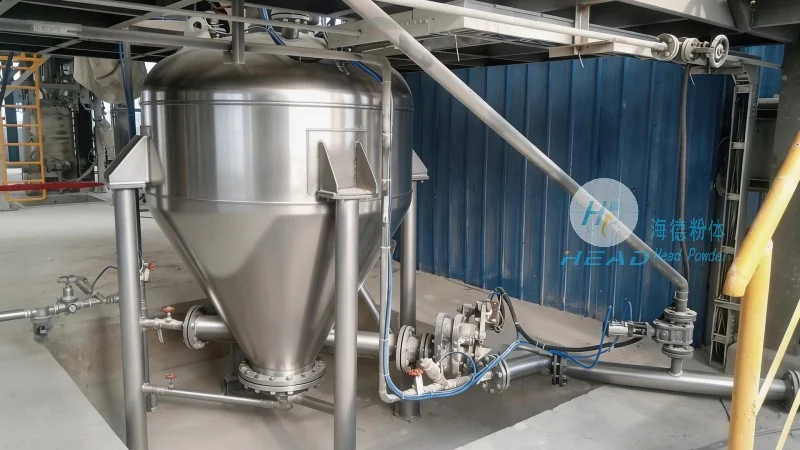
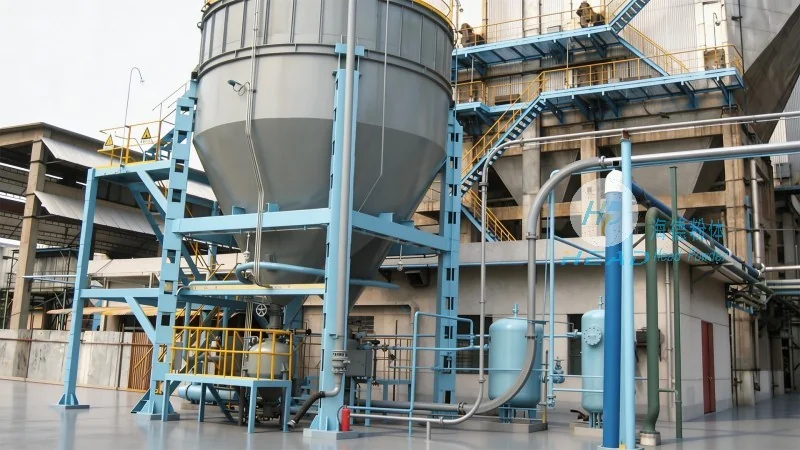
The core components of a pneumatic conveying system for polycrystalline silicon typically include a material feed hopper, a conveyor line (either positive or negative pressure), a dust collection system, and a discharge unit. The material feed hopper is designed to store and meter the polycrystalline silicon, ensuring a consistent flow rate into the conveyor line. This component often incorporates features such as level sensors and flow control valves to regulate the material input. The conveyor line itself is the heart of the system, responsible for transporting the material through the air stream. Positive pressure systems use a blower or compressor to generate air pressure that pushes the material forward, while negative pressure systems use a vacuum to draw the material through the line. For polycrystalline silicon, which is often brittle and prone to dust generation, the choice of conveyor type and material of construction is crucial. Materials like stainless steel or specialized alloys are commonly used to prevent contamination and ensure durability. The dust collection system is another critical component, as it helps to capture any fine particles that may be generated during the conveying process. This system typically includes filters and cyclones to separate the material from the air stream, ensuring that the environment remains clean and that the material is not lost. The discharge unit is responsible for releasing the polycrystalline silicon at the destination point, often incorporating features such as a rotary valve or a surge hopper to control the flow and prevent backflow.
Operational Principles and Design Considerations
The operational principles of a polycrystalline silicon pneumatic conveying system revolve around the balance of air velocity and material flow rate. The air velocity must be sufficient to keep the material suspended and moving through the line, but not so high as to cause excessive wear on the system components or to generate excessive dust. The design of the system must take into account the physical properties of polycrystalline silicon, including its density, particle size distribution, and moisture content. These factors influence the required air velocity and pressure to achieve efficient transport. For example, larger or denser particles may require higher air velocities to maintain suspension, while smaller particles may be more prone to dust generation and require additional filtration. The system design also needs to consider the distance and elevation changes between the feed and discharge points. Longer or more complex conveying lines may require additional boosters or changes in the air pressure to maintain the material flow. The selection of the conveying line diameter is another important design consideration. A larger diameter may reduce friction losses and improve material flow, but it also increases the system's footprint and cost. Conversely, a smaller diameter may be more cost-effective but may require higher air velocities and increased energy consumption. The choice of line diameter must be optimized based on the specific application and material characteristics. Additionally, the system must be equipped with proper safety features, such as pressure relief valves and explosion-proof components, to handle any potential hazards associated with the transport of polycrystalline silicon, which can be a combustible material under certain conditions.