

Calcium Hydroxide Pneumatic Conveying: How to Efficiently Transport Powdery Materials with Air Flow
Efficient material handling is a critical factor in industrial operations, especially when dealing with powdery substances like calcium hydroxide. Pneumatic conveying systems offer a reliable and efficient solution for transporting such materials over long distances or within complex production lines. This article explores the principles and applications of pneumatic conveying for calcium hydroxide, highlighting how air flow can be utilized to move these fine particles with precision and minimal loss.
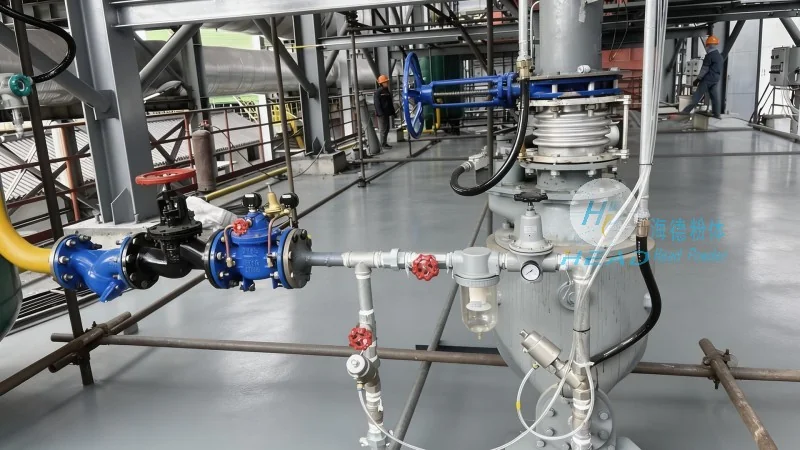
Pneumatic Conveying Systems: The Core Technology for Calcium Hydroxide Transport
Pneumatic conveying, also known as air conveying, is a method that uses pressurized or vacuum air to transport bulk materials, including powders and granules, through a pipeline. For calcium hydroxide, which is a fine, dusty material, traditional methods like belt conveyors or bucket elevators may cause dust issues and material degradation. Pneumatic systems, however, provide a closed-loop environment that prevents contamination and ensures the material remains intact during transport. The system typically consists of a blower or vacuum pump, a hopper for material storage, a pipeline network, and a receiver for the material at the destination. The air flow is controlled to maintain the correct velocity, ensuring that the particles are suspended and moved smoothly without clogging or degradation.
Key Advantages of Pneumatic Conveying for Calcium Hydroxide
Implementing pneumatic conveying for calcium hydroxide offers several significant advantages over traditional transport methods. First, it provides a dust-free environment, which is crucial for maintaining workplace safety and complying with environmental regulations. Unlike open systems that can release fine particles into the air, pneumatic conveyors keep the material contained within the pipeline, reducing the risk of inhalation and contamination. Second, the system minimizes material degradation. The gentle air flow and enclosed pipeline prevent abrasion and breakage of the particles, preserving the quality and consistency of the calcium hydroxide. Third, pneumatic conveying allows for flexible and scalable transport. The pipeline can be configured to serve multiple destinations or be expanded as production needs grow, making it suitable for both small-scale and large-scale operations. Additionally, the system is energy-efficient compared to other methods, as it uses air pressure to move the material rather than mechanical components that require constant maintenance and higher energy consumption.
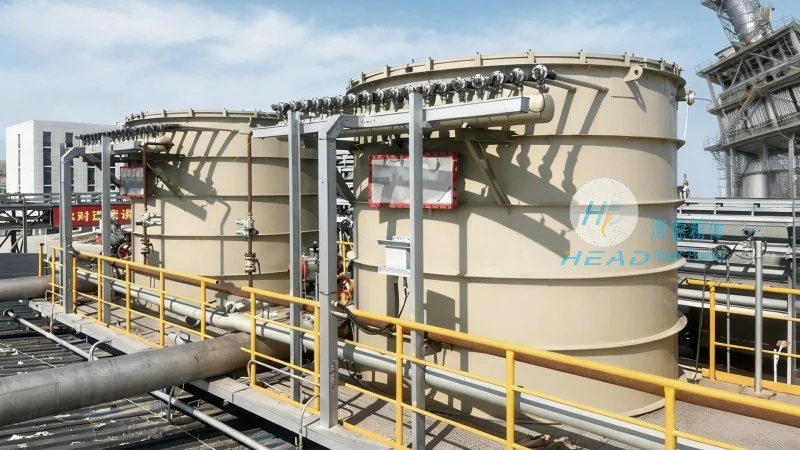
HeadPowder: Expert in Pneumatic Conveying Solutions
Shandong HeadPowder Engineering Co., Ltd., commonly known as HeadPowder, is a leading provider of pneumatic conveying systems tailored for calcium hydroxide and other powdery materials. With years of experience in the industry, HeadPowder specializes in designing, manufacturing, and installing customized conveying solutions that meet the specific needs of clients. The company's expertise lies in understanding the unique properties of calcium hydroxide, such as its fineness and moisture content, and adapting the pneumatic system to handle these characteristics effectively. HeadPowder's team of engineers works closely with clients to assess their operational requirements, including material flow rates, distance, and destination points, to develop a system that maximizes efficiency and minimizes downtime. The company's solutions are built with high-quality materials and advanced technology, ensuring durability and long-term performance. HeadPowder's commitment to quality and customer satisfaction has made it a trusted partner for many industrial facilities seeking reliable material handling solutions.
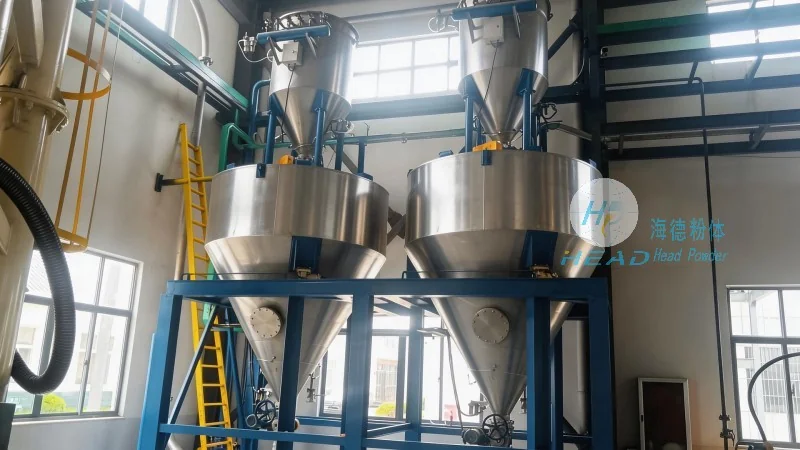
Customized Pneumatic Conveying Systems for Calcium Hydroxide Applications
Every industrial application has unique requirements, and HeadPowder recognizes the importance of customization in pneumatic conveying systems. For calcium hydroxide, which is used in various industries such as construction, agriculture, and chemical manufacturing, the conveying system must be tailored to the specific process. For example, in construction, calcium hydroxide may be used as a component in plaster or mortar, and the conveying system needs to deliver the material to mixing stations without clogging or degradation. In agriculture, it may be used as a soil amendment, requiring the system to transport the material to storage or application sites efficiently. HeadPowder's customized solutions include adjustable air flow rates, variable pipeline configurations, and specialized components like rotary valves and filters that ensure the material is handled with care. The company also provides maintenance and support services to ensure the system operates at optimal levels, minimizing downtime and maximizing productivity. By working with HeadPowder, clients can benefit from a tailored pneumatic conveying system that addresses their specific needs and enhances their overall operational efficiency.
Conclusion: Efficient and Reliable Transport with Pneumatic Conveying
In conclusion, pneumatic conveying is an efficient and reliable method for transporting calcium hydroxide and other powdery materials. By utilizing air flow to move the material through a closed pipeline, the system provides a dust-free, low-degradation environment that enhances workplace safety and material quality. HeadPowder, with its expertise and customized solutions, offers industrial facilities a trusted partner in implementing effective pneumatic conveying systems. Whether for small-scale or large-scale operations, HeadPowder's solutions are designed to meet the specific needs of clients, ensuring efficient material handling and improved productivity. With the right pneumatic conveying system, industrial operations can achieve seamless transport of calcium hydroxide, contributing to overall operational success.