

Tea Powder Pneumatic Conveying: Efficient Air Flow for Moving Powdered Materials
Efficient material handling is a critical factor in the tea processing industry, where the seamless transport of powdered tea products is essential for maintaining quality and operational efficiency. Pneumatic conveying systems have emerged as a sophisticated solution for this challenge, offering a clean, low-maintenance method to move tea powders and other fine particulate materials. This article explores the principles and applications of pneumatic conveying in tea processing, highlighting how companies like Shandong HeadPowder Engineering Co., Ltd., based in Shandong, China, leverage advanced technology to optimize the movement of tea powders.
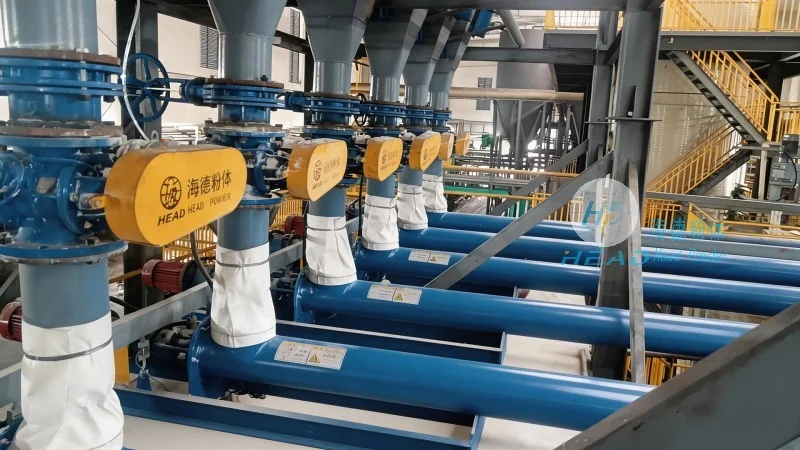
Understanding Pneumatic Conveying Systems
Pneumatic conveying utilizes air flow to transport bulk materials, such as tea powder, through a network of pipes. The system operates by creating a pressure differential, either by blowing air (positive pressure) or by creating a vacuum (negative pressure), to move the material from the source to the destination. This method eliminates the need for mechanical components like belts or buckets, reducing maintenance costs and minimizing product contamination. For tea processors, this is particularly advantageous as it preserves the delicate flavor and aroma of the tea powder, which can be easily damaged by traditional handling methods.
The Advantages of Air Flow Conveying for Tea Powder
Compared to traditional conveying methods, pneumatic systems offer several key benefits that enhance the efficiency and quality of tea powder handling. First, they provide a hygienic and clean environment, which is crucial in food processing. The enclosed system prevents dust and contaminants from entering the product, ensuring compliance with food safety regulations. Second, the low maintenance requirements reduce downtime and operational costs. Unlike mechanical conveyors, which require regular lubrication and part replacement, pneumatic systems have fewer moving parts, leading to longer service intervals. Third, the flexibility of air flow allows for the transport of materials over long distances and through complex layouts, adapting to the specific needs of tea processing facilities. This adaptability is vital for companies that need to integrate conveying systems with existing production lines.
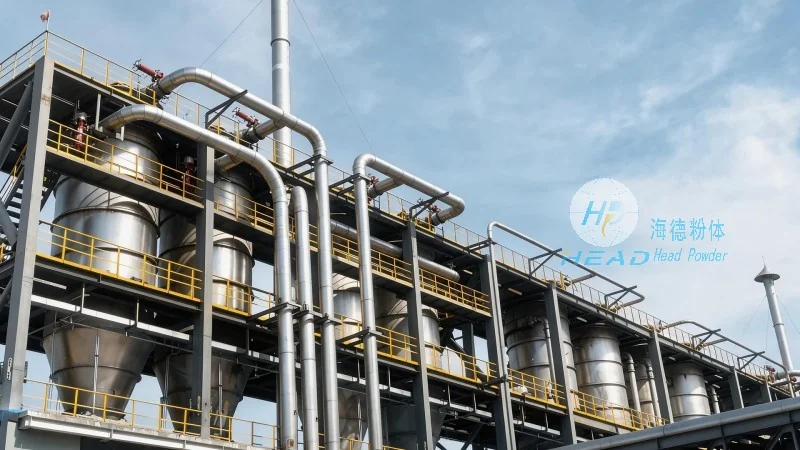
Key Components of a Pneumatic Conveying System
Effective pneumatic conveying of tea powder relies on several key components that work in harmony to ensure smooth operation. The primary components include the air source (usually a blower or vacuum pump), the conveying lines (made of materials like stainless steel to prevent corrosion and contamination), and the control system (which regulates air pressure and flow). Additionally, accessories such as cyclones, filters, and rotary valves are essential for separating the tea powder from the air and controlling the flow rate. For tea processing, the choice of materials for the conveying lines is critical, as stainless steel or food-grade plastic is preferred to maintain the purity of the tea powder. The control system allows operators to adjust the conveying speed and pressure, ensuring optimal performance based on the specific characteristics of the tea powder being handled.
Applications in Tea Processing Facilities
Pneumatic conveying systems are widely used in various stages of tea processing, from raw material handling to final product packaging. In the initial stages, the system can transport freshly ground tea powder from the grinding equipment to storage silos, maintaining the product's quality by preventing exposure to air and moisture. During the blending process, the system efficiently moves different tea powders or additives into the mixing tank, ensuring consistent product composition. Finally, in the packaging stage, the system delivers the tea powder to the filling machines, enabling precise and rapid filling of tea bags or containers. The ability to handle these diverse applications makes pneumatic conveying a versatile solution for tea processing facilities, supporting high-volume production while maintaining product integrity.
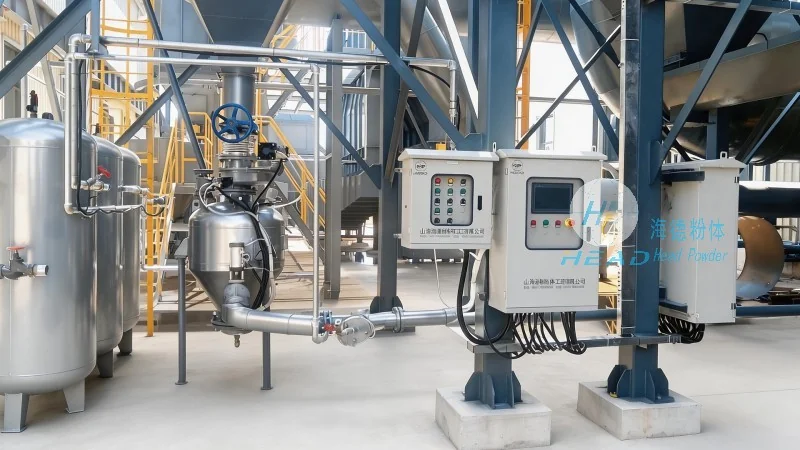
Case Study: Shandong HeadPowder Engineering Co., Ltd.
Shandong HeadPowder Engineering Co., Ltd., a leading provider of pneumatic conveying solutions, has successfully implemented advanced systems for tea processing companies. Based in Shandong, China, the company specializes in designing and manufacturing customized pneumatic conveying systems tailored to the unique needs of tea processors. Their expertise lies in optimizing the air flow parameters to achieve efficient transport of tea powders, minimizing energy consumption and maximizing throughput. For example, one client, a large tea manufacturer, implemented a positive pressure pneumatic system to transport their high-quality tea powder from the grinding area to the packaging line. The system reduced handling time by 30% and improved product quality by maintaining the powder's freshness and aroma. This success story highlights the effectiveness of pneumatic conveying in enhancing operational efficiency and product quality in the tea industry.
Conclusion: The Future of Tea Powder Handling
As the tea industry continues to evolve, the demand for efficient and hygienic material handling solutions remains high. Pneumatic conveying, with its ability to transport tea powders with minimal contamination and low maintenance, is positioned as a key technology for modern tea processing facilities. Companies like Shandong HeadPowder Engineering Co., Ltd. play a crucial role in advancing this technology, providing tailored solutions that meet the specific requirements of tea processors. By leveraging the benefits of air flow conveying, tea manufacturers can enhance their operational efficiency, reduce costs, and maintain the high quality of their products. The future of tea powder handling lies in the continued development and application of advanced pneumatic conveying systems, ensuring that the delicate nature of tea powders is preserved while meeting the demands of modern production.