

[Detailed Explanation of Mineral Sand Pneumatic Conveying Systems]
HeadPowder Engineering Co., Ltd., a leading provider of industrial material handling solutions, specializes in the design, manufacturing, and installation of advanced pneumatic conveying systems tailored for mineral sand applications. With a strong presence in Shandong, China, the company has established itself as a trusted partner in the mining and processing industries, delivering efficient and reliable systems that meet the demanding requirements of mineral sand transportation.
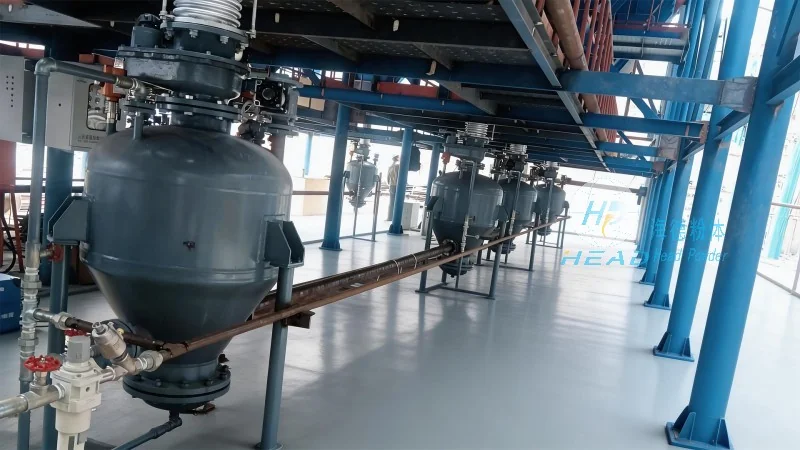
Understanding Pneumatic Conveying Systems for Mineral Sands
Pneumatic conveying systems are essential for the efficient transport of mineral sands, which are commonly used in various industrial processes such as glass manufacturing, foundry work, and chemical production. These systems utilize air or other gases to move bulk materials through a network of pipes, offering a flexible and cost-effective alternative to traditional mechanical conveying methods like belt conveyors or bucket elevators. The core principle involves creating a pressure differential to draw or push the material through the system, ensuring smooth and continuous operation.
Key Components of a Mineral Sand Pneumatic Conveying System
The effectiveness of a mineral sand pneumatic conveying system relies on several critical components that work in harmony to achieve optimal performance. The primary components include the material feed hopper, which holds the mineral sand and provides a controlled discharge into the system. The feeder, often a rotary valve or a screw feeder, regulates the flow rate to maintain consistent pressure and prevent blockages. The conveying line, typically made of stainless steel or other corrosion-resistant materials, is designed to handle the abrasive nature of mineral sands, ensuring durability and longevity. The air or gas source, usually a blower or a compressor, generates the necessary pressure to move the material through the pipeline. The system may also include a filter or a cyclone separator to remove dust and particles from the exhaust air, maintaining air quality and preventing equipment damage. Additionally, a control panel is integrated to monitor and adjust the system parameters, such as pressure, flow rate, and temperature, ensuring safe and efficient operation.
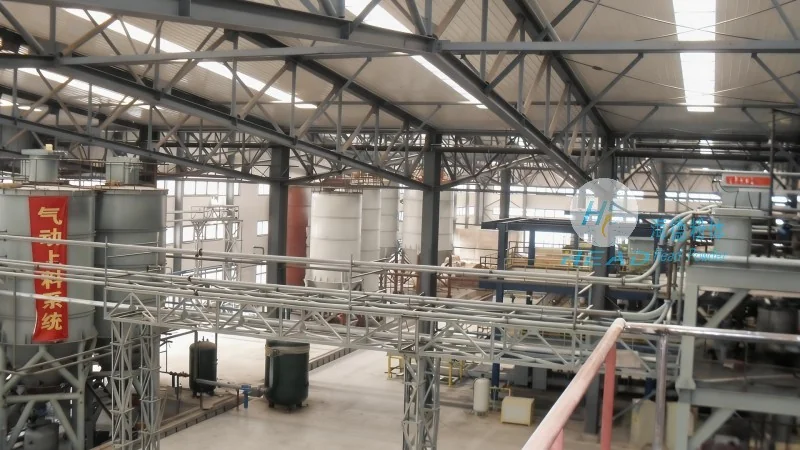
Advantages of Using Pneumatic Conveying for Mineral Sands
Compared to traditional conveying methods, pneumatic conveying systems offer several advantages that make them ideal for mineral sand applications. One of the most significant benefits is the ability to transport materials over long distances without the need for multiple transfer points or intermediate storage. This reduces the risk of material degradation and contamination, which is crucial for high-value mineral sands used in precision applications. The system also provides a dust-free environment, enhancing workplace safety and compliance with environmental regulations. Furthermore, pneumatic conveying systems are highly flexible, allowing for easy integration with existing processing equipment and the ability to adjust the flow rate based on production demands. The compact design of these systems saves valuable floor space, making them suitable for both new installations and retrofitting in existing facilities. Another advantage is the reduced maintenance requirements compared to mechanical systems, as there are fewer moving parts and less wear and tear from abrasive materials.
Applications and Industries Served by Mineral Sand Pneumatic Conveying Systems
Mineral sand pneumatic conveying systems are widely used across various industries that rely on the efficient handling of mineral sands. In the glass industry, these systems transport sand and other raw materials to furnaces, ensuring a consistent and high-quality feed. In foundries, they convey sand for mold making, improving the precision and efficiency of the casting process. The chemical industry utilizes pneumatic conveying for the transport of sand-based catalysts and other bulk chemicals, maintaining product integrity and preventing contamination. Additionally, in the construction and mining sectors, these systems are employed for the transport of sand and other aggregates, supporting the production of concrete and other building materials. The versatility of the system makes it suitable for a wide range of applications, from small-scale operations to large industrial plants.
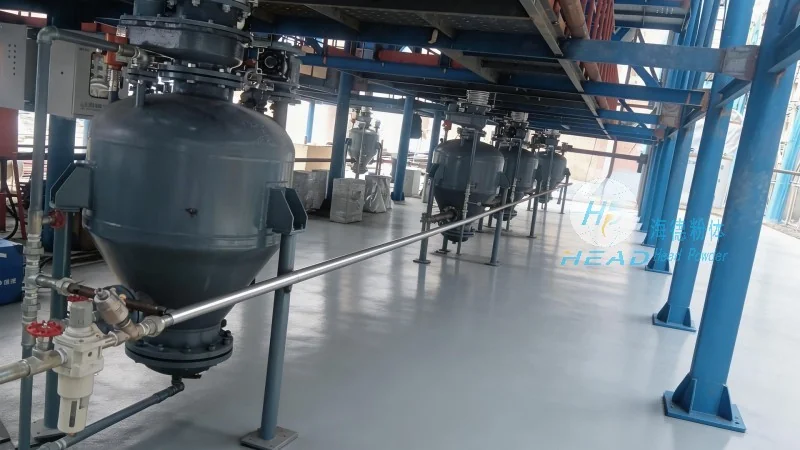
Customization and Design Considerations for Mineral Sand Pneumatic Conveying Systems
HeadPowder Engineering Co., Ltd. understands that each mineral sand application has unique requirements, and therefore, offers customized pneumatic conveying systems tailored to specific needs. The design process begins with a thorough analysis of the material characteristics, including particle size, density, and abrasiveness, as well as the required conveying distance and flow rate. Based on this analysis, the company selects the appropriate components, such as the type of blower, the material of the conveying line, and the size of the hopper, to ensure optimal performance. The system is designed to handle the specific challenges posed by mineral sands, such as the risk of clogging or the need for high-pressure operation. HeadPowder's engineers work closely with clients to develop a solution that meets their production goals while adhering to safety and environmental standards. The company also provides comprehensive support, including installation, commissioning, and maintenance services, to ensure the long-term reliability and efficiency of the system.
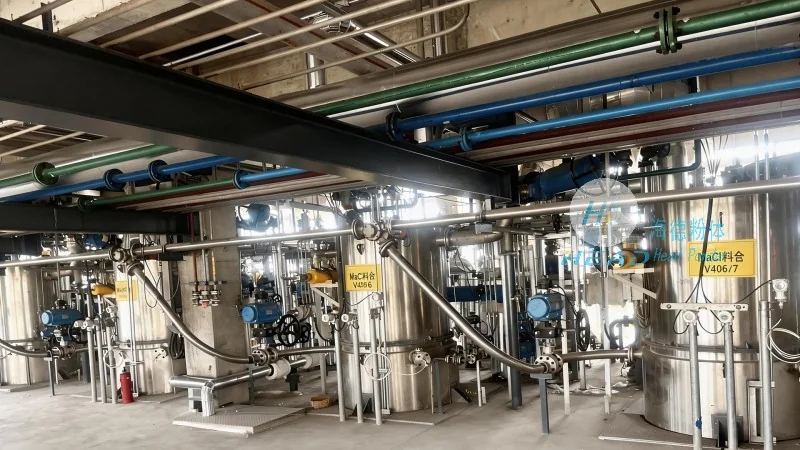
Maintenance and Operational Tips for Pneumatic Conveying Systems
To ensure the longevity and optimal performance of a mineral sand pneumatic conveying system, regular maintenance and proper operation are essential. HeadPowder Engineering Co., Ltd. recommends several best practices to maximize the system's lifespan and minimize downtime. First, regular inspection of the conveying line and components is crucial to detect any signs of wear or damage, such as corrosion or abrasion. The system should be cleaned periodically to remove accumulated dust and debris, which can affect performance and air quality. The air filter and separator should be checked and replaced as needed to maintain efficient operation. It is also important to monitor the system's pressure and flow rate regularly, as changes may indicate a problem with the material feed or the blower. Proper training of operators is essential to ensure safe and efficient operation, including knowledge of emergency procedures and routine maintenance tasks. By following these guidelines, users can ensure that their mineral sand pneumatic conveying system operates at peak efficiency, reducing maintenance costs and maximizing productivity.
Conclusion
Mineral sand pneumatic conveying systems are a critical component in the efficient handling of mineral sands, offering a reliable and flexible solution for various industrial applications. HeadPowder Engineering Co., Ltd. has established itself as a leading provider of these systems, leveraging its expertise and experience to deliver high-quality, customized solutions that meet the specific needs of its clients. With a strong presence in Shandong, China, the company continues to innovate and improve its systems, ensuring that clients receive the best possible service and support. By investing in a well-designed and properly maintained pneumatic conveying system, industries can enhance their productivity, reduce costs, and improve overall operational efficiency.