

[Detailed Explanation of Styrene Pneumatic Conveying Systems]
Styrene, a crucial chemical intermediate widely used in the production of polystyrene and other polymers, requires efficient and reliable material handling solutions during its processing and transportation stages. Pneumatic conveying systems have emerged as a preferred method for transporting styrene due to their ability to handle the material safely and effectively, minimizing the risk of contamination and ensuring consistent flow rates. This article provides a comprehensive overview of styrene pneumatic conveying systems, exploring their design principles, operational benefits, and practical applications.
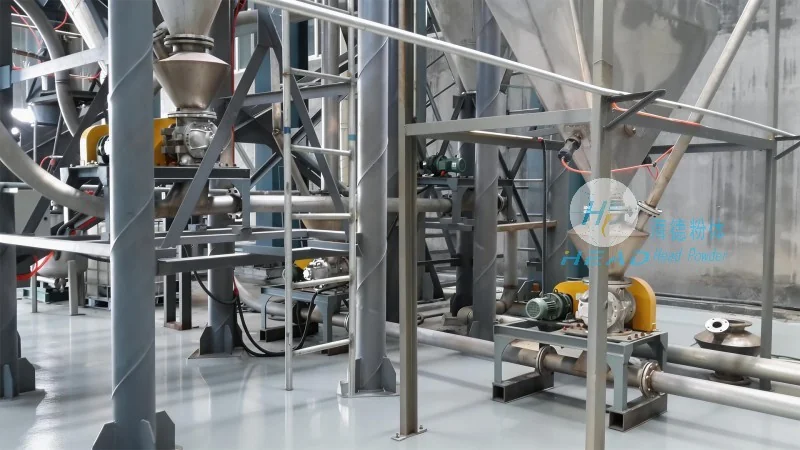
About HeadPowder: Your Trusted Partner in Material Handling Solutions
HeadPowder, operating as Shandong HeadPowder Engineering Co., Ltd., is a leading provider of specialized engineering solutions for the chemical and petrochemical industries. With a focus on innovation and customer-centric design, the company has established itself as a reliable partner for clients seeking advanced pneumatic conveying systems. HeadPowder’s expertise lies in developing customized solutions that meet the unique requirements of styrene handling processes, ensuring optimal performance and safety. The company’s headquarters is located in Shandong, China, where it leverages local resources and industry knowledge to deliver high-quality products and services.
Key Components of a Styrene Pneumatic Conveying System
A typical styrene pneumatic conveying system consists of several critical components that work in tandem to ensure efficient material transport. The primary elements include a material feed hopper, which stores and feeds the styrene into the system; a conveying line, which can be either positive or negative pressure depending on the application; a filter system to capture and collect any fine particles or dust; and a discharge unit that delivers the material to its final destination. Each component is designed to handle the specific properties of styrene, such as its low viscosity and potential for static charge, to prevent blockages and ensure smooth operation.
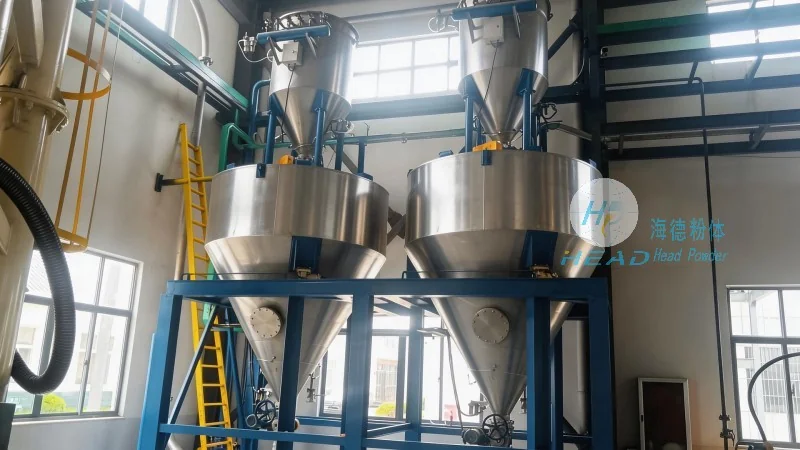
Operational Advantages of Pneumatic Conveying for Styrene
Compared to traditional mechanical conveying methods, pneumatic systems offer several advantages when handling styrene. One of the most significant benefits is the ability to transport the material in a closed system, which minimizes exposure to air and reduces the risk of oxidation or contamination. This is particularly important for styrene, as it can degrade or react with air over time, affecting the quality of the final product. Additionally, pneumatic conveying systems can handle varying flow rates and material loads, making them adaptable to different production schedules and demand fluctuations. The systems also provide better control over the material’s temperature and moisture content, which are critical factors in maintaining the integrity of styrene during transportation.
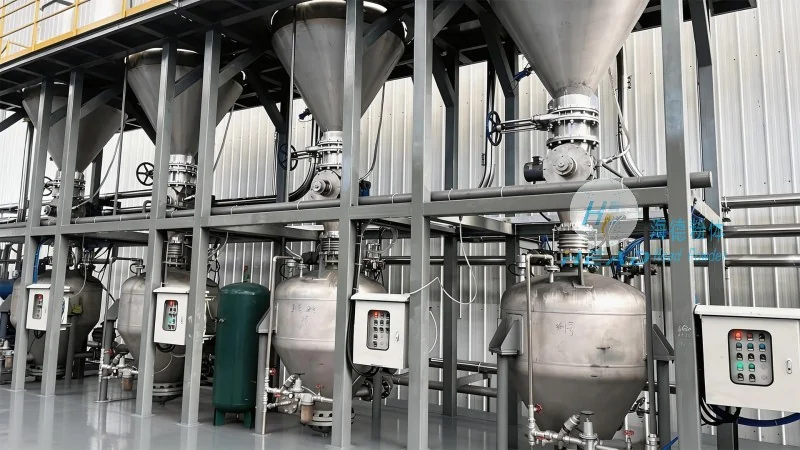
Customization and Integration: Tailoring Solutions to Client Needs
HeadPowder understands that each styrene processing facility has unique operational requirements. Therefore, the company offers customized pneumatic conveying solutions that are tailored to meet specific client needs. This includes designing systems with adjustable pressure levels, varying conveying line lengths, and integrated filtration systems that can be scaled according to the volume of styrene being transported. The company’s engineering team works closely with clients to assess their current infrastructure, production goals, and safety standards, ensuring that the final solution is both efficient and compliant with industry regulations. By focusing on customization, HeadPowder ensures that its systems deliver optimal performance while minimizing downtime and maintenance costs.
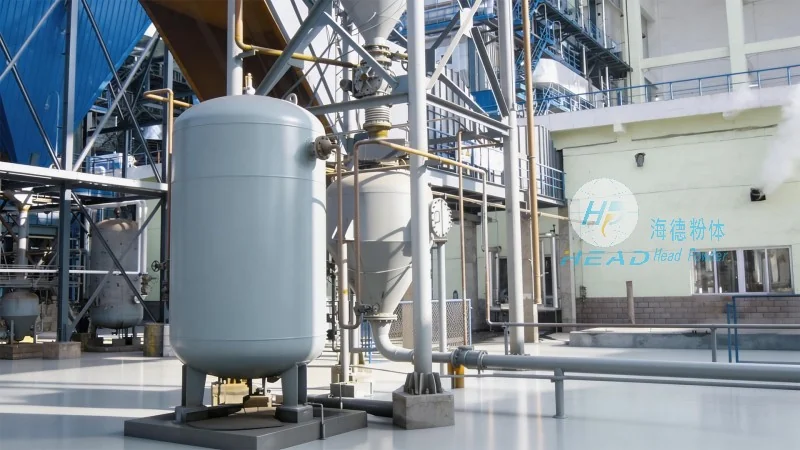
Ensuring Safety and Compliance in Styrene Handling
Handling styrene requires strict adherence to safety protocols and regulatory standards. Pneumatic conveying systems, when properly designed and maintained, provide a safe environment for styrene transport by eliminating the need for manual handling and reducing the risk of exposure to the material. HeadPowder’s systems are equipped with advanced safety features, such as pressure relief valves, explosion-proof components, and real-time monitoring systems, to ensure compliance with local and international safety regulations. The company also provides comprehensive training and maintenance services to help clients maintain the safety and efficiency of their systems over time. By prioritizing safety, HeadPowder helps its clients mitigate risks and maintain a secure working environment.
Conclusion: The Role of Advanced Pneumatic Systems in Styrene Processing
Styrene pneumatic conveying systems play a vital role in the efficient and safe handling of this critical chemical intermediate. By leveraging advanced engineering and customized solutions, companies like HeadPowder are enabling clients to optimize their production processes, reduce costs, and improve overall operational efficiency. As the demand for polystyrene and other styrene-based products continues to grow, the importance of reliable material handling systems will only increase. HeadPowder’s commitment to innovation and customer satisfaction positions it as a leading provider of pneumatic conveying solutions, helping clients navigate the complexities of styrene processing with confidence.