

Detailed Explanation of Small Stone Pneumatic Conveying System
Small stone pneumatic conveying systems are specialized equipment designed to transport bulk materials like small stones, gravel, and similar granular substances through a pressurized air stream. These systems are widely used in various industries, including construction, mining, and material processing, to efficiently move materials from one location to another without the need for traditional mechanical conveyors. The technology behind these systems leverages the principles of fluidization and air movement to achieve seamless material transport, making them an attractive option for applications where space constraints or material handling challenges are present.
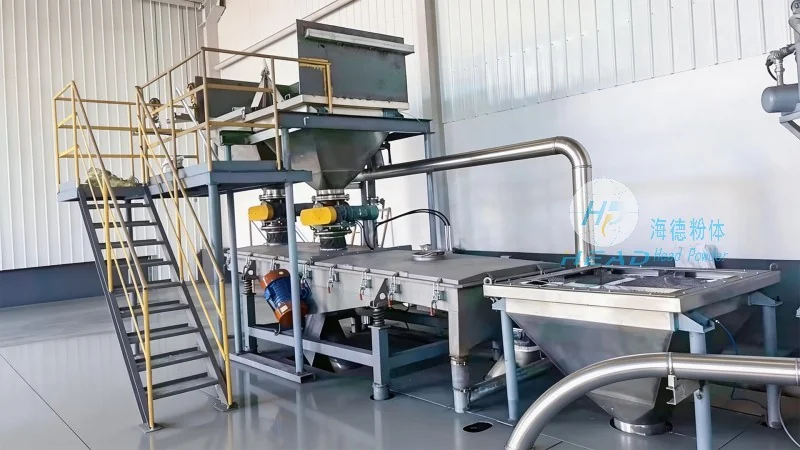
Key Components of a Small Stone Pneumatic Conveying System
The core components of a small stone pneumatic conveying system include the material hopper, air compressor, conveying line, and material discharge unit. The material hopper is where the small stones are loaded, typically equipped with a feeder to control the flow rate. The air compressor generates the necessary pressure to move the air and material through the system. The conveying line, often made of metal or plastic, is designed to withstand the pressure and material abrasion. The material discharge unit, such as a rotary valve or a pressure vessel, collects the conveyed material at the destination. Each component plays a critical role in ensuring the system operates efficiently and reliably.
How the System Works: The Pneumatic Conveying Process
The operation of a small stone pneumatic conveying system involves several steps. First, the small stones are fed into the material hopper from a storage bin or a loading area. The feeder then regulates the flow of material into the hopper, ensuring a consistent feed rate. Next, the air compressor starts and generates high-pressure air, which is introduced into the conveying line. The pressurized air creates a flow that lifts and transports the small stones through the line. As the material travels, it is mixed with the air, forming a slurry-like mixture. The conveying line may include bends or changes in direction, which are designed to handle the material without causing blockages or damage. Finally, at the receiving end, the material is discharged from the system into a storage container or a processing unit. The air is then filtered and returned to the compressor, completing the cycle.
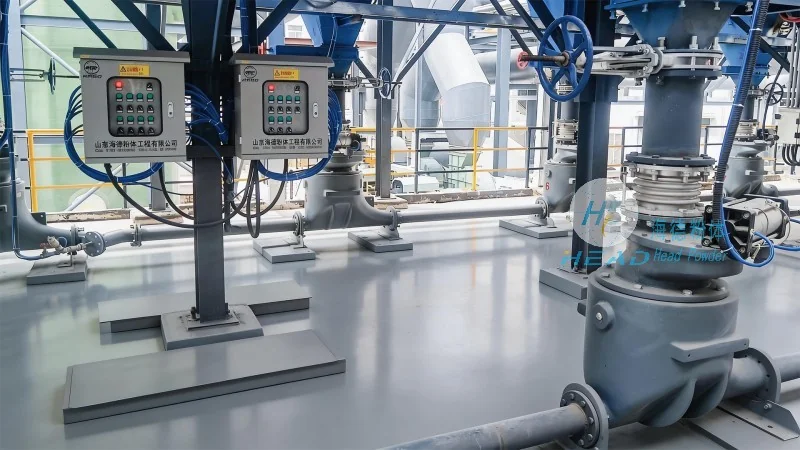
Advantages of Using Small Stone Pneumatic Conveying Systems
Small stone pneumatic conveying systems offer several advantages over traditional mechanical conveyors. One of the primary benefits is the ability to transport materials vertically or over long distances without the need for multiple transfer points. This reduces the overall footprint of the system and minimizes the risk of material spillage. Additionally, these systems are less prone to material degradation or contamination compared to other methods, as the material is enclosed within the conveying line. The systems also provide better control over the material flow rate, allowing for precise dosing and processing. Another advantage is the reduced maintenance requirements, as there are fewer moving parts compared to belt or screw conveyors. Overall, the efficiency and reliability of small stone pneumatic conveying systems make them a preferred choice for many industrial applications.
Applications in the Construction and Mining Industries
In the construction industry, small stone pneumatic conveying systems are commonly used to transport aggregates, sand, and other construction materials from storage silos to mixing plants or construction sites. The systems can handle large volumes of material, ensuring a steady supply for concrete production and other building activities. In the mining industry, these systems are used to transport ore, rock, and other bulk materials from mining sites to processing facilities. The ability to handle abrasive materials without significant wear and tear makes them suitable for harsh mining environments. Furthermore, the systems can be integrated with other processing equipment, such as crushers and screens, to form a complete material handling solution.
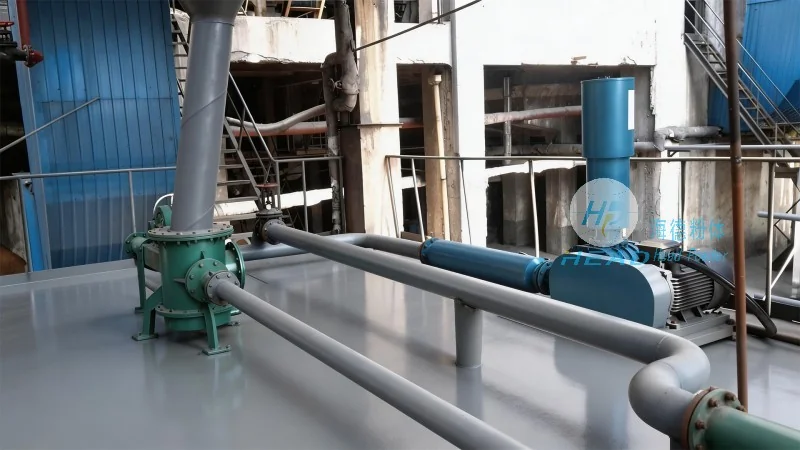
Customization and Scalability of the Systems
Shandong HeadPowder Engineering Co., Ltd. specializes in designing and manufacturing customized small stone pneumatic conveying systems to meet the specific needs of their clients. The company, often referred to as HeadPowder, offers a range of system configurations, including positive pressure and negative pressure systems, to suit different material characteristics and operational requirements. The systems can be scaled to handle various material volumes, from small-scale applications to large industrial operations. Customization options include different material hopper sizes, conveying line diameters, and discharge units, ensuring that the system is optimized for the specific application. HeadPowder also provides after-sales support and maintenance services to ensure the long-term performance and reliability of the systems.
Conclusion: The Role of Small Stone Pneumatic Conveying Systems in Material Handling
Small stone pneumatic conveying systems are essential equipment for efficient material handling in various industries. By leveraging the principles of pneumatic transport, these systems offer a reliable and efficient solution for moving small stones and other granular materials. The technology has evolved significantly over the years, with advancements in materials and design improving the performance and durability of the systems. As industries continue to demand more efficient and sustainable material handling solutions, small stone pneumatic conveying systems remain a key component in modern material processing. With the expertise of companies like Shandong HeadPowder Engineering Co., Ltd., these systems can be tailored to meet the specific needs of different applications, ensuring optimal performance and operational efficiency.