

White Sugar Pneumatic Conveying System Explained
Pneumatic conveying systems are widely used in the food processing industry, particularly for handling bulk materials like white sugar. These systems utilize air or other gases to transport granular or powdered materials through a pipeline network. For white sugar, the choice of a suitable pneumatic conveying system is crucial to ensure efficient, hygienic, and cost-effective material handling. This article provides a detailed overview of the components, operation, and benefits of a white sugar pneumatic conveying system, with a focus on the solutions offered by Shandong HeadPowder Engineering Co., Ltd.
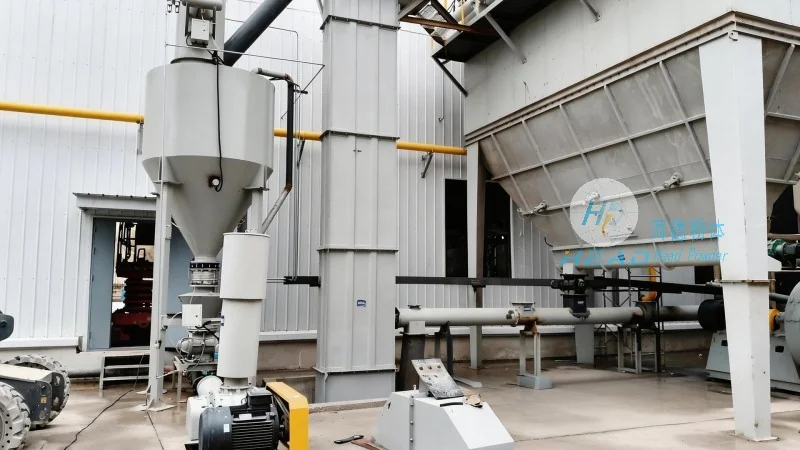
Key Components of a White Sugar Pneumatic Conveying System
The core components of a white sugar pneumatic conveying system include the material hopper, feeder, air compressor, conveying pipeline, and discharge equipment. The material hopper stores the white sugar and provides a consistent feed to the feeder. The feeder, typically a rotary valve or screw feeder, controls the flow rate of the sugar into the system. The air compressor generates the necessary pressure or vacuum to move the sugar through the pipeline. The conveying pipeline, often made of stainless steel to maintain hygiene, transports the sugar from the feeder to the discharge point. Finally, the discharge equipment, such as a rotary valve or bagging machine, releases the sugar at the destination. Each component plays a critical role in ensuring the system operates smoothly and efficiently.
Operation Principle of the System
The operation of a white sugar pneumatic conveying system involves several steps. First, the white sugar is fed from the hopper into the feeder at a controlled rate. Simultaneously, the air compressor supplies compressed air to the pipeline. The air and sugar mixture then travels through the pipeline under pressure, moving the sugar particles along the path. At the discharge point, the air is separated from the sugar, often using a cyclone separator or filter, and the sugar is collected. The air is then either recirculated or vented, depending on the system design. This process allows for continuous, automated material handling, reducing labor costs and minimizing material loss.
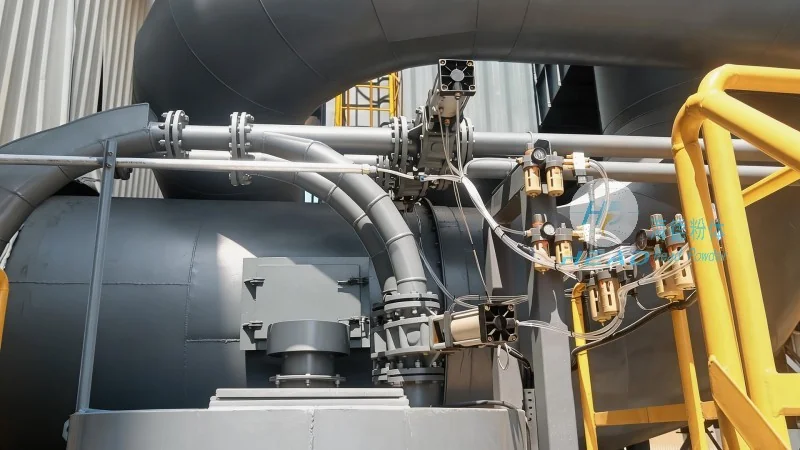
Benefits of Using a Pneumatic Conveying System for White Sugar
Implementing a pneumatic conveying system for white sugar offers numerous advantages. Firstly, it enhances hygiene and sanitation, as the system is enclosed and made of stainless steel, preventing contamination from external sources. Secondly, it improves efficiency by enabling continuous and high-volume material transport, reducing downtime and increasing production throughput. Thirdly, it reduces labor costs by automating the feeding and conveying process, minimizing the need for manual handling. Additionally, the system can be designed to handle different sugar grades and particle sizes, providing flexibility in production. Finally, it offers cost savings by minimizing material waste and reducing the need for additional storage or handling equipment.
HeadPowder's Expertise in White Sugar Pneumatic Conveying Solutions
Shandong HeadPowder Engineering Co., Ltd., a leading provider of engineering solutions, specializes in designing and manufacturing customized pneumatic conveying systems for the food industry. With years of experience, HeadPowder has developed a deep understanding of the unique requirements of white sugar handling, including the need for high hygiene standards, efficient material transport, and reliable operation. The company's team of engineers and technicians work closely with clients to assess their specific needs and design a system that meets their production goals. HeadPowder's systems are built with high-quality materials, such as stainless steel, to ensure durability and compliance with industry standards. The company also provides comprehensive after-sales support, including maintenance, repair, and technical assistance, to ensure the system operates at optimal performance.
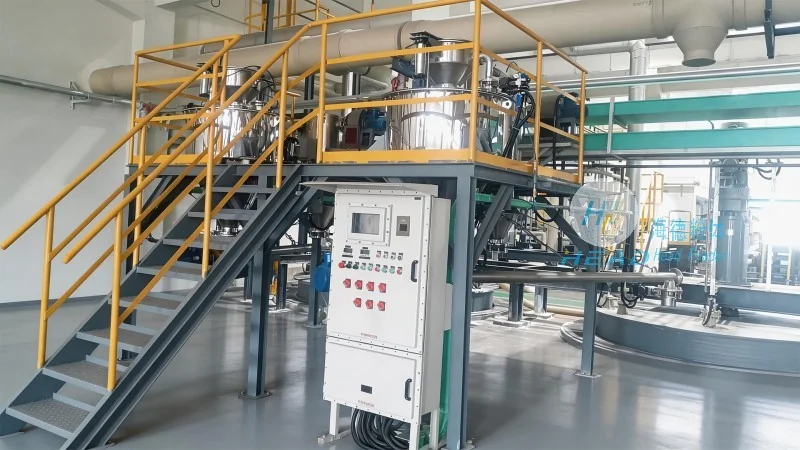
Customization and Flexibility in System Design
HeadPowder understands that each white sugar processing facility has unique requirements, and therefore, offers customized pneumatic conveying systems tailored to specific needs. The company can design systems with different conveying capacities, pipeline lengths, and discharge configurations to suit various production scales. For example, a small-scale facility may require a compact system with a lower conveying capacity, while a large-scale facility may need a high-capacity system with longer pipelines. HeadPowder also considers factors such as the sugar's particle size, moisture content, and flow characteristics when designing the system, ensuring optimal performance. The company's engineers use advanced software and simulation tools to model the system and predict its performance under different operating conditions, allowing for precise design and optimization.
Installation and Maintenance Considerations
The successful implementation of a white sugar pneumatic conveying system requires careful planning and execution. HeadPowder provides comprehensive installation services, including site assessment, system layout design, and installation supervision. The company ensures that the system is installed according to industry standards and regulations, minimizing the risk of operational issues. After installation, the company offers maintenance and repair services to ensure the system operates at peak performance. Regular maintenance, such as cleaning the pipeline, checking the air compressor, and inspecting the feeder, is essential to prevent system failures and extend the system's lifespan. HeadPowder's maintenance team is trained to handle various system components and can provide timely support to minimize downtime.