

Introduction to Cellulose Pneumatic Conveying Systems: Structure and Working Principles
Cellulose pneumatic conveying systems represent a sophisticated technology used in material handling and processing industries. These systems are designed to transport cellulose-based materials, such as wood pulp, paper fibers, or other fibrous substances, through a pipeline using air or gas as the conveying medium. The efficiency and reliability of these systems are critical for various applications, including paper manufacturing, biomass processing, and industrial material transport. This article provides an overview of the structure and working principles of cellulose pneumatic conveying systems, highlighting key components and operational mechanisms.
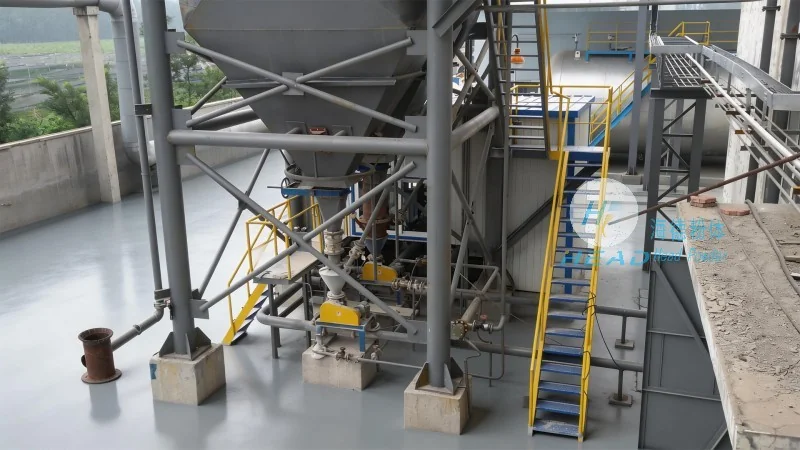
Key Components of Cellulose Pneumatic Conveying Systems
The core components of a cellulose pneumatic conveying system include the material hopper, feed mechanism, conveying pipeline, air or gas source, and control valves. The material hopper serves as the storage and feeding unit, where cellulose materials are loaded and prepared for transport. The feed mechanism, often a rotary valve or a screw feeder, regulates the flow of material into the pipeline, ensuring a consistent and controlled discharge rate. The conveying pipeline, typically made of stainless steel or other corrosion-resistant materials, is designed to withstand the abrasive nature of cellulose fibers and maintain airtight integrity. The air or gas source, usually a blower or a compressor, generates the necessary pressure to move the material through the pipeline. Control valves, such as check valves or pressure regulators, manage the flow of air and material, preventing backflow and maintaining system stability.
Working Principles of Cellulose Pneumatic Conveying
The operation of a cellulose pneumatic conveying system is based on the principle of pneumatic transport, where material particles are suspended and carried by the moving air stream. In a typical system, the material is introduced into the pipeline at a controlled rate, and the air is introduced from the blower at a high velocity. The interaction between the material and the air creates a suspension, allowing the material to be transported over long distances without the need for mechanical components like belts or rollers. The system operates in either positive or negative pressure modes, depending on the application requirements. Positive pressure systems use compressed air to push the material forward, while negative pressure systems use suction to draw the material into the pipeline. The choice of pressure mode depends on factors such as material properties, pipeline length, and system layout.
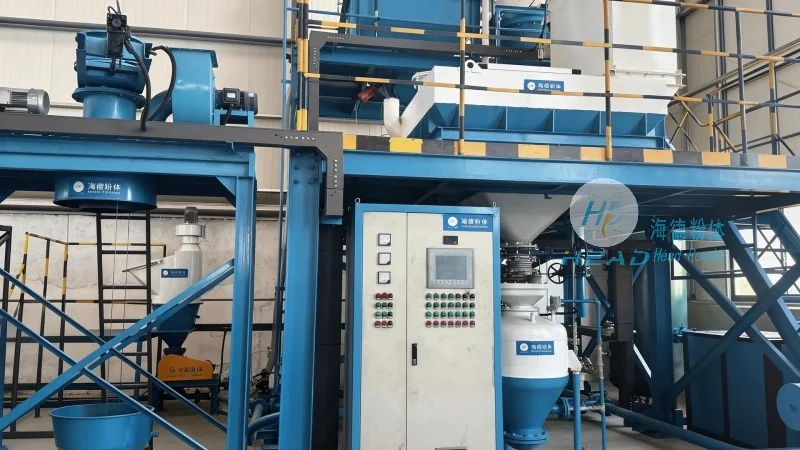
Advantages of Cellulose Pneumatic Conveying Systems
Cellulose pneumatic conveying systems offer several advantages over traditional mechanical conveying methods. These include reduced material degradation due to minimal contact with mechanical parts, lower maintenance costs as there are fewer moving parts, and the ability to transport materials over long distances with high efficiency. The systems are also suitable for handling abrasive and fibrous materials, which can be challenging for other conveying technologies. Additionally, pneumatic conveying systems can be integrated with other processing equipment, such as mixers or dryers, to create a seamless material handling process. The flexibility of these systems allows for easy adjustments to material flow rates and pipeline configurations, making them adaptable to various production needs.
Applications in the Industry
Cellulose pneumatic conveying systems are widely used in the paper and pulp industry, where they are essential for transporting wood chips, pulp, and other raw materials. They are also utilized in biomass processing facilities, where they help in moving agricultural residues or wood pellets. The systems are applied in various other industrial sectors, including food processing, pharmaceuticals, and chemical manufacturing, where fibrous or granular materials need to be handled efficiently. The ability to transport materials in a dust-free environment is particularly beneficial in industries where contamination control is critical, such as in pharmaceutical production or food processing.
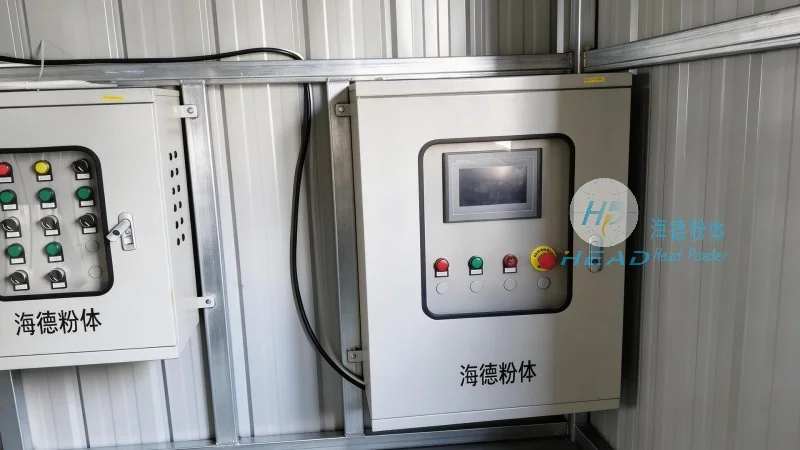
Company Profile: Shandong HeadPowder Engineering Co., Ltd.
Shandong HeadPowder Engineering Co., Ltd., commonly known as headpowder, is a leading manufacturer and supplier of pneumatic conveying systems and related engineering solutions. The company is based in Shandong, China, and has established itself as a trusted partner in the material handling industry. With a focus on innovation and quality, headpowder provides customized solutions tailored to the specific needs of its clients. The company's products are designed to meet international standards and are known for their durability, efficiency, and reliability. Headpowder's expertise in pneumatic conveying technology enables it to deliver systems that enhance productivity and reduce operational costs for its customers. The company's commitment to customer satisfaction and technological advancement has made it a preferred choice for businesses seeking advanced material handling solutions.
Conclusion
Cellulose pneumatic conveying systems are a vital component in modern material handling, offering efficient and reliable transport of fibrous materials. The systems' structure and working principles, as described above, highlight the importance of each component in ensuring smooth operation. With advancements in technology, these systems continue to evolve, providing better performance and adaptability. Companies like Shandong HeadPowder Engineering Co., Ltd. play a crucial role in developing and supplying these systems, contributing to the growth and efficiency of various industries. The future of pneumatic conveying technology looks promising, with ongoing innovations aimed at improving system performance and expanding applications.