

Introduction to the Small Stone Pneumatic Conveying System: Structure and Working Principle Explanat
HeadPowder, or Shandong HeadPowder Engineering Co., Ltd., is a professional manufacturer based in Shandong, China, specializing in the design, production, and supply of pneumatic conveying systems. The company focuses on providing efficient and reliable solutions for material handling, particularly in the transportation of small stones and similar bulk materials.
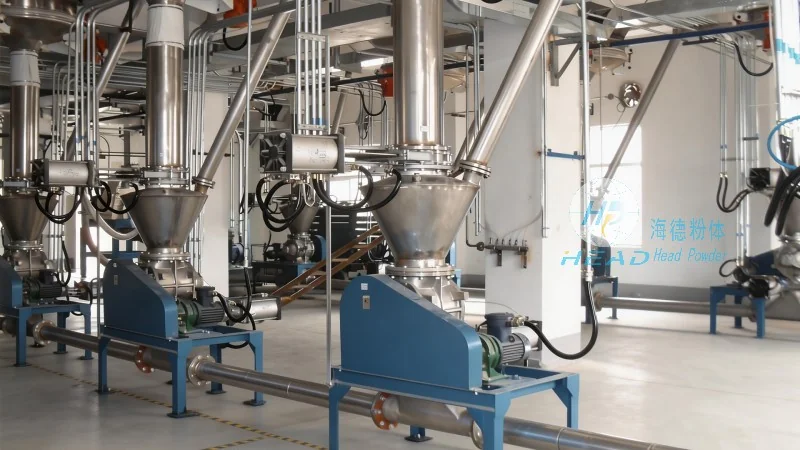
Overview of the Small Stone Pneumatic Conveying System
The small stone pneumatic conveying system is a specialized equipment designed to transport small stones, gravel, or other granular materials over short to medium distances. It operates by using compressed air to create a flow that propels the material through a pipeline. This system is widely used in construction sites, mining operations, and material processing facilities where traditional conveyor belts may not be suitable due to space constraints or material characteristics.
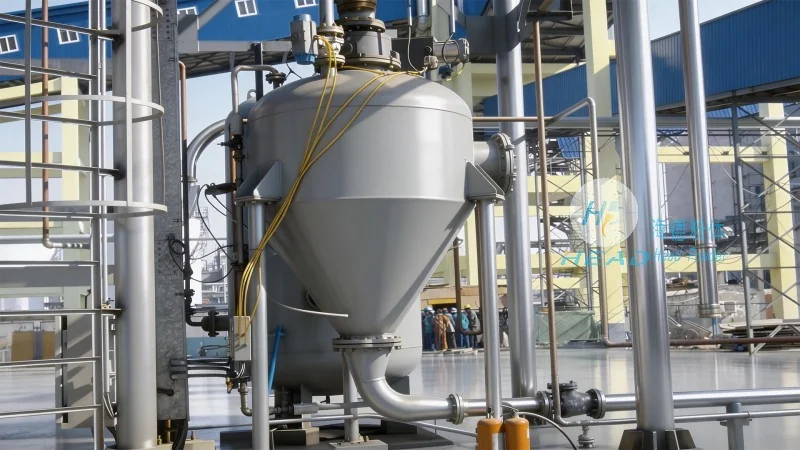
Structural Components and Working Principle
The system consists of several key components that work in tandem to ensure efficient material transport. The main parts include the material hopper, air compressor, conveying pipeline, and receiving hopper. The material is first loaded into the hopper, where it is then drawn into the pipeline by the airflow generated by the compressor. The compressed air creates a negative pressure in the pipeline, which pulls the material along with it. The pipeline is typically made of durable materials such as stainless steel or PVC to withstand the abrasive nature of small stones and prevent leakage. The air compressor is responsible for maintaining the necessary pressure and airflow, while the hopper and receiving hopper are designed to handle the material loading and unloading processes smoothly.
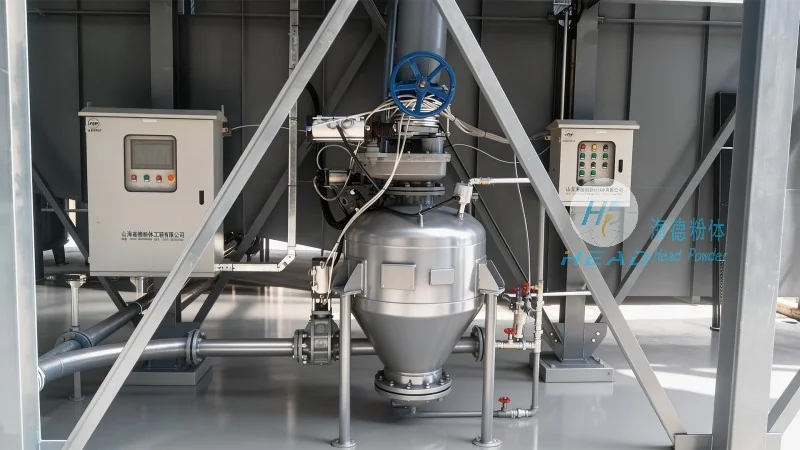
Advantages of the Small Stone Pneumatic Conveying System
Compared to traditional belt conveyors, the small stone pneumatic conveying system offers several advantages. Firstly, it is more flexible in terms of layout, as the pipeline can be installed in various configurations, including vertical and horizontal sections. This allows for more efficient use of space in confined areas. Secondly, it is less prone to material blockages and wear, as the material is continuously moved by the air flow rather than being carried by a belt. Thirdly, the system is more hygienic and can be easily cleaned, making it suitable for applications where material contamination is a concern. Additionally, the system can handle a wide range of material sizes and densities, making it versatile for different industrial needs.
Applications in Industrial Settings
The small stone pneumatic conveying system is commonly used in various industrial applications. In construction sites, it is used to transport small stones from storage areas to construction areas, reducing the need for manual handling and improving safety. In mining operations, it can be used to transport ore or gravel from the mine to processing facilities, enhancing operational efficiency. In material processing plants, it is used to move small stones for further processing, such as crushing or sorting. The system is also suitable for use in environmental applications, such as the transport of waste materials or recycling materials.
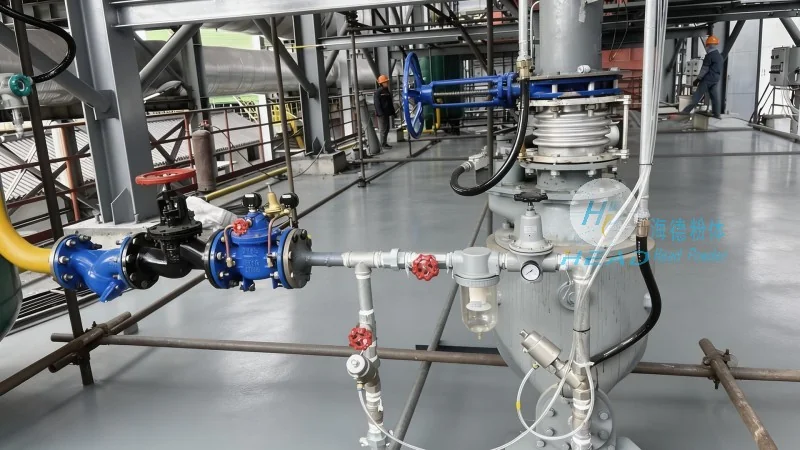
Maintenance and Operational Considerations
To ensure the long-term performance and reliability of the small stone pneumatic conveying system, regular maintenance is essential. The air compressor should be checked regularly for proper operation and oil levels. The conveying pipeline should be inspected for any signs of wear or damage, and the hopper and receiving hopper should be cleaned periodically to prevent material buildup. The system should also be operated within the recommended pressure and airflow ranges to avoid damage to components. Proper training of operators is also important to ensure safe and efficient operation of the system.