

Introduction to Coal Gangue Powder Pneumatic Conveying Systems: Structure and Working Principles
Coal gangue powder pneumatic conveying systems are critical in modern industrial applications, particularly for handling fine powders like coal gangue efficiently. This article provides an overview of the system's structure and operational principles, highlighting key components and their functions.
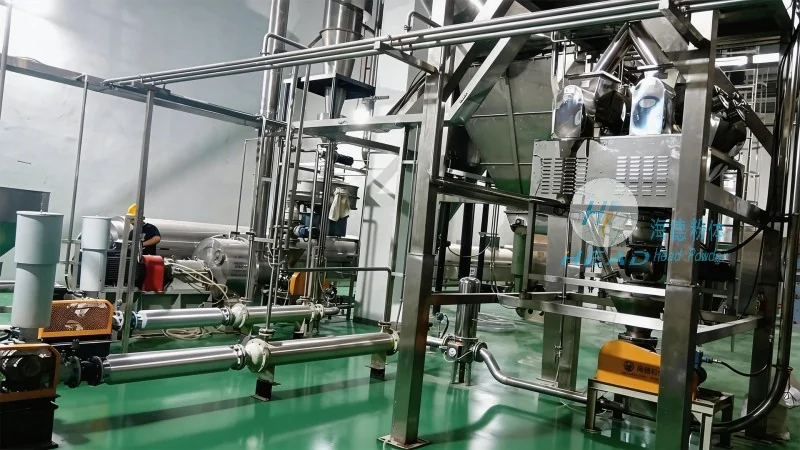
Overview of the Coal Gangue Powder Pneumatic Conveying System
Coal gangue, a byproduct of coal mining and processing, often requires specialized handling due to its fine particle size and potential dust generation. Pneumatic conveying systems offer a solution by using air to transport the powder from one location to another, minimizing the need for mechanical components and reducing operational costs. The system is designed to handle high volumes of coal gangue powder while maintaining low maintenance requirements and ensuring environmental compliance.
Key Components and Structure of the System
The coal gangue powder pneumatic conveying system typically consists of several core components that work in tandem to achieve efficient material transport. These include the material hopper, which stores the coal gangue powder; the air compressor or blower, which generates the necessary air pressure; the conveying line, which transports the powder through pipes; and the receiver or discharge hopper, where the material is deposited. Additionally, the system may incorporate accessories such as filters, cyclones, and pressure regulators to ensure smooth operation and maintain air quality.
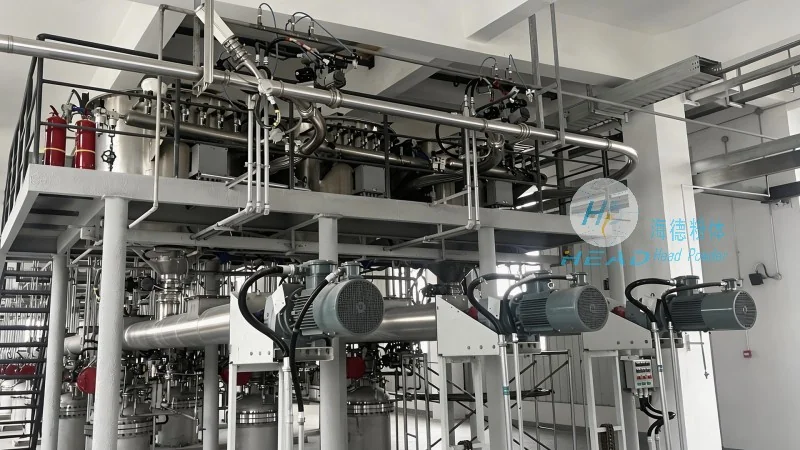
Working Principle of the Pneumatic Conveying Process
The operation of the coal gangue powder pneumatic conveying system follows a straightforward yet effective process. First, the coal gangue powder is fed into the material hopper. The air compressor then supplies compressed air into the conveying line. As the air flows through the pipe, it creates a low-pressure zone that draws the powder particles into the air stream. The mixture of air and powder travels through the conveying line to the receiver, where the powder is separated from the air by gravity or a cyclone separator. The separated air is then filtered and recycled back into the system, while the coal gangue powder is collected in the receiver for further use or disposal.
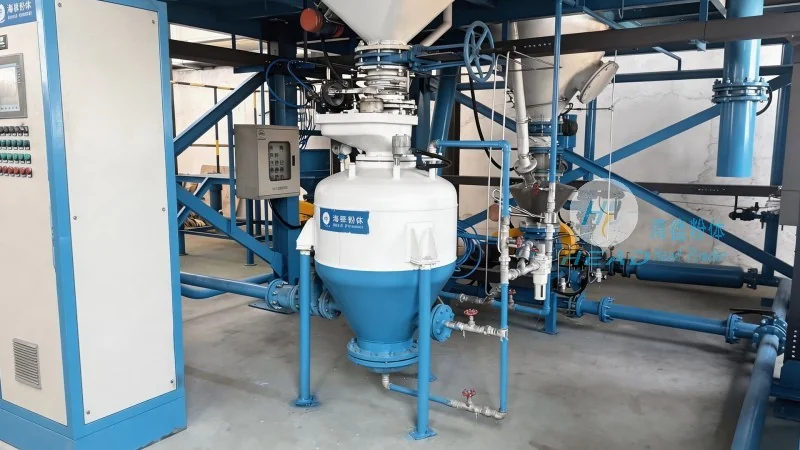
Benefits and Applications of the System
Implementing a coal gangue powder pneumatic conveying system offers numerous advantages for industrial operations. These benefits include reduced labor costs due to automated material handling, lower risk of dust-related health issues compared to manual handling, and improved safety by minimizing the need for personnel to work in dusty environments. The system is widely used in coal processing plants, power generation facilities, and waste management sites where coal gangue needs to be transported over short or medium distances. Its ability to handle fine powders without clogging or degradation makes it an ideal solution for applications where traditional mechanical conveyors may fail.
About HeadPowder: Your Partner in Industrial Solutions
HeadPowder, a leading manufacturer of industrial conveying systems, specializes in providing customized solutions for coal gangue and other fine powders. With headquarters in Shandong, China, HeadPowder Engineering Co., Ltd. combines advanced engineering expertise with years of industry experience to deliver high-quality pneumatic conveying systems. The company's commitment to innovation and customer satisfaction ensures that clients receive systems tailored to their specific operational needs, whether for new installations or upgrades to existing facilities. By choosing HeadPowder, businesses can enhance their material handling efficiency, reduce operational costs, and improve overall productivity in coal gangue processing and related industries.