

[CLEAN CHOICE FOR ENHANCING LITHIUM COBALT OXIDE DELIVERY EFFICIENCY: A DETAILED EXPLANATION OF PNEU
For industries dealing with lithium cobalt oxide (LCO), the demand for efficient and clean material handling solutions has never been higher. Traditional methods often struggle with dust generation, material degradation, and operational inefficiencies. Pneumatic conveying technology emerges as a superior alternative, offering a solution that not only enhances delivery efficiency but also ensures a cleaner working environment. This article delves into the principles, benefits, and practical applications of pneumatic conveying systems specifically tailored for lithium cobalt oxide, highlighting how Shandong HeadPowder Engineering Co., Ltd. is leveraging this technology to meet modern industry standards.
Understanding Pneumatic Conveying Systems
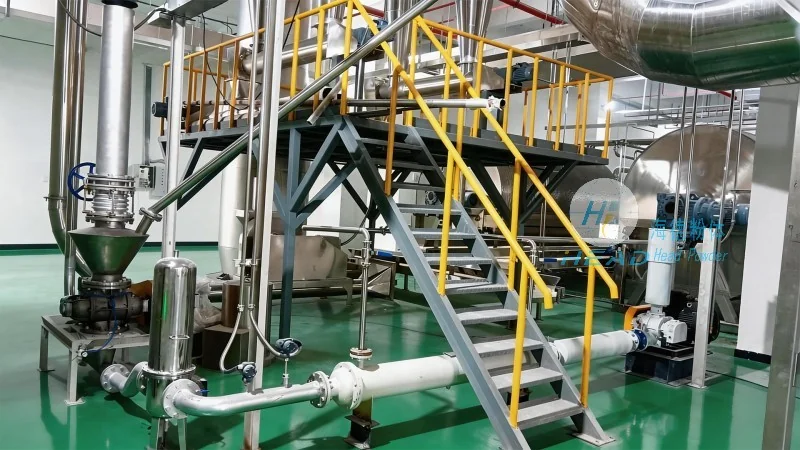
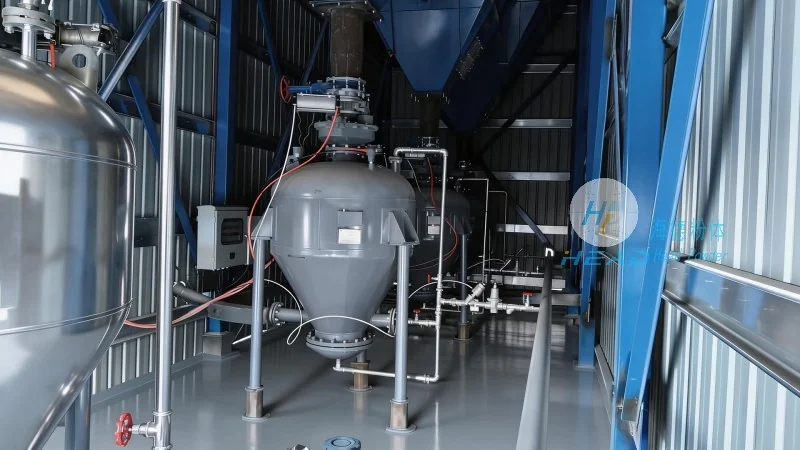
Pneumatic conveying systems utilize air or other gases to transport bulk materials through a pipeline network. Unlike mechanical conveying methods, which rely on moving parts and may cause material attrition, pneumatic systems operate by suspending particles in a stream of air, allowing for smooth and continuous movement. The core components of a pneumatic conveying system include a material feed hopper, a conveying line, a separation or collection unit, and a control system. The system can be designed as either a pressure or vacuum type, depending on the specific requirements of the material and the application. For lithium cobalt oxide, which is a fine powder with high value and sensitivity to contamination, a pressure system is often preferred due to its ability to maintain material integrity and minimize dust exposure.

Key Benefits of Pneumatic Conveying for Lithium Cobalt Oxide
Implementing pneumatic conveying technology for lithium cobalt oxide offers several distinct advantages. Firstly, it significantly reduces dust generation compared to traditional methods like bucket elevators or belt conveyors. This not only improves workplace safety and air quality but also minimizes the risk of material loss or contamination during transport. Secondly, pneumatic systems enhance material handling efficiency by enabling faster and more reliable delivery of LCO, which is critical for maintaining production throughput in battery manufacturing facilities. Additionally, the technology allows for better control over material flow, reducing the likelihood of clogging or blockages that can occur with other systems. For companies operating in the battery materials sector, these benefits translate into improved operational performance, lower maintenance costs, and enhanced product quality.
How Shandong HeadPowder Engineering Co., Ltd. Applies Pneumatic Conveying Technology
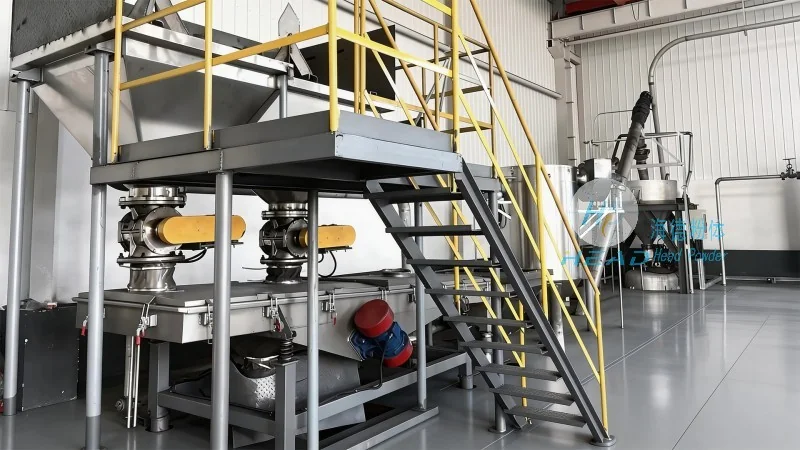
Shandong HeadPowder Engineering Co., Ltd., a leading provider of engineering solutions for powder handling, specializes in designing and implementing customized pneumatic conveying systems for lithium cobalt oxide and other high-value powders. With a focus on precision and reliability, the company works closely with clients to understand their specific production needs and develop tailored solutions. The engineering team at HeadPowder leverages advanced design software and industry expertise to optimize system performance, ensuring that the conveying process meets the highest standards of efficiency and cleanliness. For instance, the company may incorporate features such as in-line filters, pressure regulators, and material flow sensors to monitor and control the conveying process in real-time. This approach not only maximizes the efficiency of LCO delivery but also ensures that the material remains in pristine condition throughout the process, which is essential for maintaining the quality of downstream battery production.
Practical Considerations and Implementation Tips
When implementing a pneumatic conveying system for lithium cobalt oxide, several practical considerations must be taken into account to ensure optimal performance. Firstly, the design of the system must consider the particle size and density of the LCO, as these factors influence the air velocity required for effective transport. Proper sizing of the conveying line and the use of appropriate fittings are crucial to prevent pressure losses and ensure smooth material flow. Secondly, the selection of the right air compressor and filtration system is vital to maintain the purity of the conveying air and prevent contamination of the LCO. Regular maintenance of the system components, such as filters and valves, is also essential to prevent downtime and ensure long-term reliability. Additionally, integrating the pneumatic conveying system with existing production equipment requires careful planning to ensure seamless operation and minimal disruption to the production process. Companies like HeadPowder provide comprehensive support, including system design, installation, and ongoing maintenance services, to help clients navigate these considerations and achieve successful implementation.
Conclusion: The Future of Clean and Efficient Lithium Cobalt Oxide Handling
As the demand for lithium cobalt oxide continues to grow in the battery industry, the need for advanced material handling solutions becomes increasingly critical. Pneumatic conveying technology offers a clean, efficient, and reliable method for transporting LCO, addressing the challenges of traditional methods while meeting the stringent requirements of modern manufacturing. Companies like Shandong HeadPowder Engineering Co., Ltd. are at the forefront of this technology, providing customized solutions that enhance operational efficiency and product quality. By investing in pneumatic conveying systems, battery manufacturers can not only improve their production processes but also contribute to a cleaner and more sustainable industry. The future of lithium cobalt oxide handling lies in the continued development and application of such advanced technologies, ensuring that the industry meets the growing demand for high-performance battery materials while maintaining environmental and operational standards.