

Introduction to Powdered Pharmaceutical Pneumatic Conveying: Structure and Principle Overview
For pharmaceutical manufacturers, the efficient and safe handling of powdered materials is a critical aspect of production. Pneumatic conveying systems offer a reliable solution for transporting powders like pharmaceuticals, ensuring minimal contamination and maintaining product integrity. This article provides an overview of the structure and operational principles of pneumatic conveying systems specifically designed for pharmaceutical powders, highlighting the key components and their functions.
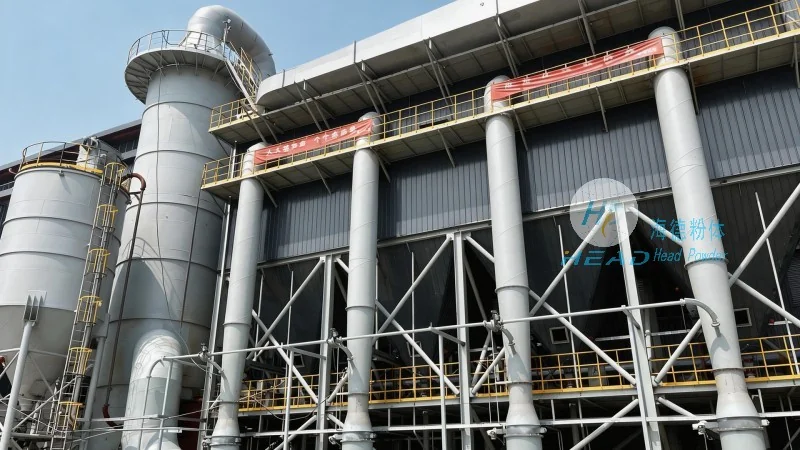
Key Components of Pharmaceutical Pneumatic Conveying Systems
The core structure of a pharmaceutical pneumatic conveying system includes several essential components that work in tandem to achieve effective powder transport. These components are meticulously designed to meet the stringent requirements of the pharmaceutical industry, such as maintaining sterile conditions and preventing cross-contamination. The primary elements include:
- Feeder: The feeder is responsible for accurately metering the powder into the conveying line. In pharmaceutical applications, this component often features a closed, sanitary design to ensure that the powder is introduced without exposure to external contaminants. The feeder may be a rotary valve or a screw feeder, depending on the specific requirements of the powder and the system's flow rate.
- Pneumatic Conveying Line: This is the main transport channel where the powder is carried by air. The line is typically made of stainless steel or other corrosion-resistant materials to meet hygiene standards. The design of the line, including bends and straight sections, is optimized to minimize pressure loss and prevent powder degradation or agglomeration.
- Compressor or Blower: The compressor or blower generates the air pressure needed to move the powder through the system. For pharmaceutical applications, the equipment is chosen to operate at low speeds and temperatures to avoid thermal degradation of the product. The system may include filters to ensure that the air is clean and free of particulates that could contaminate the powder.
- Separation and Collection Equipment: At the receiving end of the system, the powder is separated from the air and collected in a container. This component often includes a cyclone separator or a bag filter, which are designed to be easy to clean and maintain in compliance with cGMP (current Good Manufacturing Practices) regulations.
Operational Principles of Pneumatic Conveying for Pharmaceuticals
The principle of pneumatic conveying involves using air to transport powder particles through a pipeline. There are two main types of pneumatic conveying systems: dilute-phase and dense-phase. Dilute-phase systems use high air velocities to keep the powder suspended in the air, while dense-phase systems use lower air velocities and higher pressure to move the powder in a more compact form. The choice between these systems depends on the characteristics of the powder, such as its density, flowability, and sensitivity to air exposure.
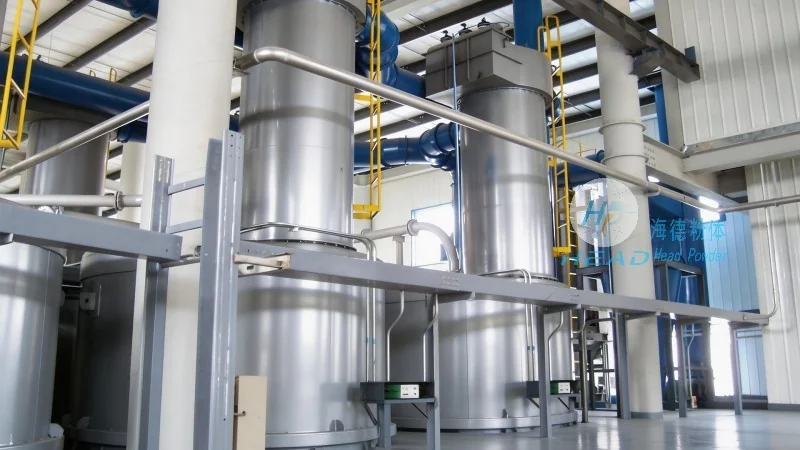
In pharmaceutical applications, the dense-phase conveying method is often preferred because it reduces the risk of powder degradation and provides better control over the flow rate. The system operates by introducing the powder into the conveying line at a controlled rate, then using the compressor to generate the necessary pressure to move the powder to the destination. The air and powder mixture is then separated at the receiving end, and the powder is collected in a clean container.
Design Considerations for Pharmaceutical Pneumatic Conveying
Designing a pneumatic conveying system for pharmaceutical powders requires careful consideration of several factors to ensure compliance with industry standards and to maintain product quality. These considerations include:
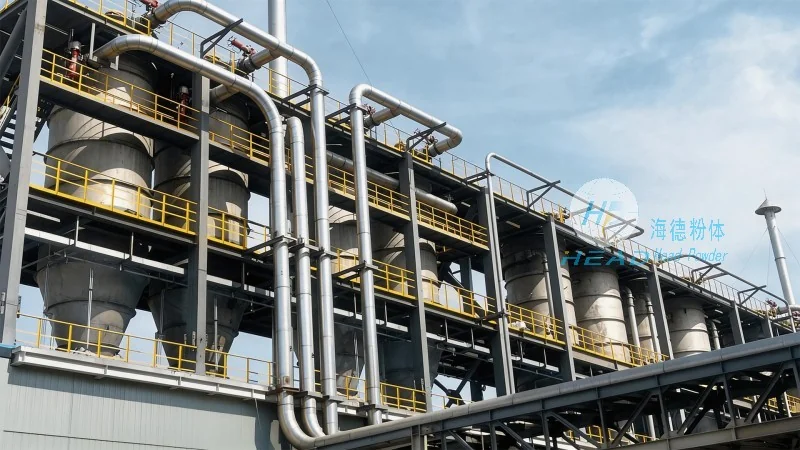
- Material Selection: All components of the system, including the feeder, line, and separation equipment, must be made of materials that are compatible with pharmaceutical powders and can be easily cleaned and sanitized. Stainless steel is the most common material due to its corrosion resistance and ability to meet cGMP requirements.
- Sanitary Design: The system must be designed with sanitary features to prevent contamination. This includes smooth surfaces, no dead ends, and easy-to-clean components. The feeder and other parts are often equipped with sanitary fittings and seals to maintain a sterile environment.
- Control Systems: Advanced control systems are used to monitor and regulate the operation of the pneumatic conveying system. These systems can adjust the air pressure, flow rate, and powder feed rate in real-time to maintain optimal performance and prevent issues such as blockages or overloading.
- Regulatory Compliance: The system must comply with relevant regulations, such as the FDA's cGMP guidelines and the European Medicines Agency's (EMA) requirements. This includes documentation of the system's design, operation, and maintenance to ensure traceability and accountability.
Applications of Pharmaceutical Pneumatic Conveying
Pneumatic conveying systems are widely used in various stages of pharmaceutical manufacturing, from raw material handling to final product packaging. Some common applications include:
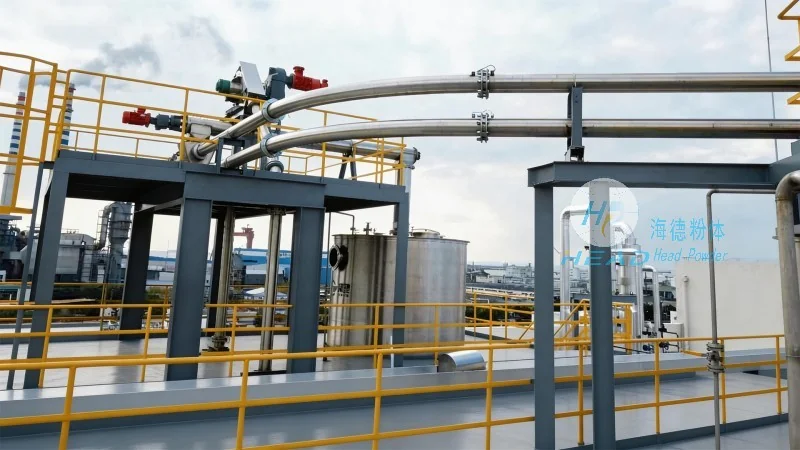
- Raw Material Transport: Transporting raw pharmaceutical powders from storage silos to processing equipment.
- Intermediate Product Handling: Moving intermediate products between different production steps, such as from a mixing tank to a drying unit.
- Finished Product Packaging: Conveying finished pharmaceutical powders into packaging containers for distribution.
Advantages of Using Pneumatic Conveying for Pharmaceuticals
Implementing a pneumatic conveying system for pharmaceutical powders offers several advantages over traditional methods, such as manual handling or mechanical conveyors. These benefits include:
- Improved Product Integrity: Pneumatic conveying minimizes the risk of powder degradation due to reduced exposure to air and mechanical stress.
- Enhanced Safety: The closed system design prevents dust emissions and cross-contamination, ensuring a safe working environment.
- Increased Efficiency: The system can handle high volumes of powder at a consistent rate, improving production throughput.
- Reduced Labor Costs: Automated operation reduces the need for manual labor, lowering labor costs and minimizing human error.
- Easy Integration: Pneumatic conveying systems can be easily integrated with other production equipment, such as mixers and dryers, to create a seamless production line.
Conclusion
Pneumatic conveying systems are a vital technology for the pharmaceutical industry, providing a safe, efficient, and reliable method for handling powdered pharmaceuticals. The structure and operational principles of these systems are carefully designed to meet the stringent requirements of the industry, ensuring product integrity and compliance with regulatory standards. By understanding the key components and design considerations, pharmaceutical manufacturers can select and implement the most appropriate pneumatic conveying system for their specific needs, enhancing overall production efficiency and product quality.