

Introduction to Slug Flow Pneumatic Conveying: Structure and Principle Explanation
Slug flow pneumatic conveying is a specialized method used in material handling and industrial processing to transport bulk materials through a pipeline using a combination of air and solid particles. This technique is particularly effective for transporting powders and granules over long distances with minimal degradation of the material. The process relies on the formation of "slugs"—dense, high-pressure pockets of material that travel through the pipeline, separated by air pockets. Understanding the structure and operational principles of this system is crucial for optimizing its performance in various industrial applications.
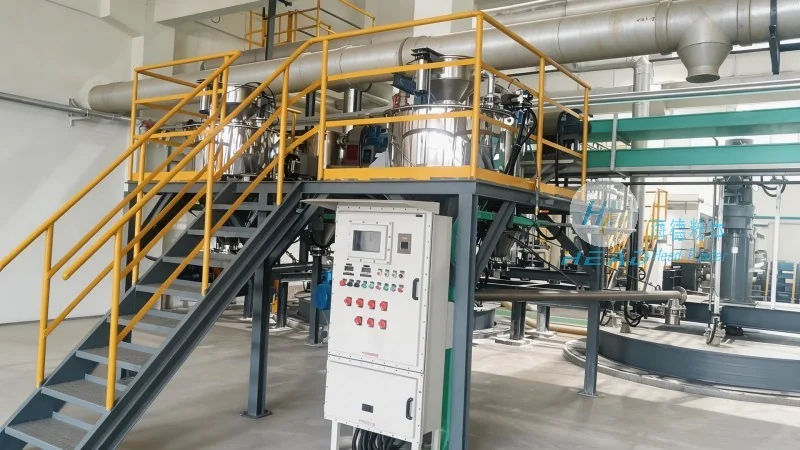
At Shandong HeadPowder Engineering Co., Ltd., we specialize in the design, manufacturing, and implementation of advanced pneumatic conveying systems, including those based on slug flow technology. Our expertise lies in creating customized solutions that meet the specific needs of our clients, ensuring efficient and reliable material transport while maintaining product integrity. The company, known in the industry as headpowder, has established itself as a leading provider of engineering solutions for bulk material handling, with a strong focus on innovation and quality.
Structural Components of Slug Flow Pneumatic Conveying Systems
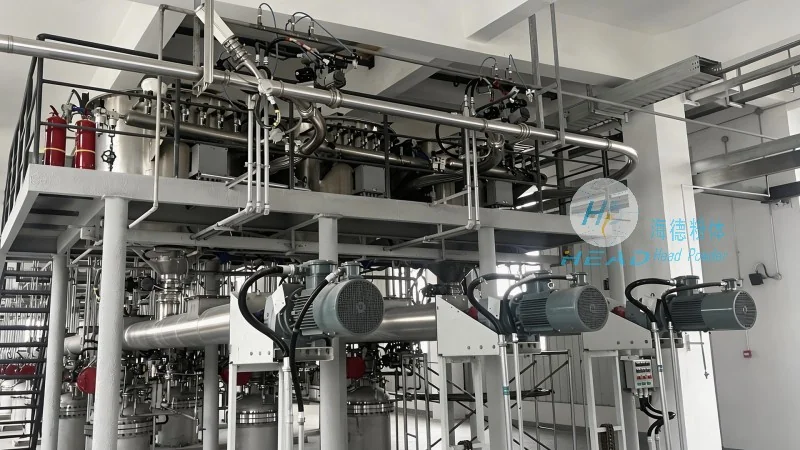
The core components of a slug flow pneumatic conveying system include the material feed hopper, the air supply system (typically a blower or compressor), the conveying pipeline, and the discharge equipment. The feed hopper is designed to store and meter the bulk material, ensuring a consistent flow rate into the system. It often incorporates features such as a rotary valve or a screw feeder to control the material discharge. The air supply system generates the necessary pressure and volume of air to create the slugs, with the blower or compressor selected based on the material characteristics and conveying distance.
The conveying pipeline is a critical component, as its diameter, length, and material (usually stainless steel or other corrosion-resistant alloys) directly impact the system's efficiency. The pipeline must be properly sized to accommodate the slugs without excessive pressure drop or material degradation. Additionally, the system may include intermediate components such as expansion joints or bends, which are designed to handle the dynamic forces and pressure changes associated with slug flow. The discharge equipment, such as a rotary valve or a surge bin, collects the material at the end of the pipeline, ensuring a smooth and controlled release.
Operational Principles and Flow Dynamics
The operational principle of slug flow pneumatic conveying is based on the interaction between the solid particles and the air stream. When material is introduced into the pipeline, it forms a dense slug due to the high pressure and velocity of the air. The slug travels through the pipeline, separated by air pockets, and the process repeats as material is continuously fed. The key to efficient slug flow is maintaining the correct air-to-material ratio, which balances the pressure drop and the velocity of the slugs. If the air flow is too low, the slugs may become too dense and cause blockages; if the air flow is too high, the slugs may break apart, leading to material degradation or increased energy consumption.
Shandong HeadPowder Engineering Co., Ltd. employs advanced computational fluid dynamics (CFD) and fluid-solid interaction (FSI) models to optimize the design of slug flow systems. These simulations help in predicting the flow behavior, pressure distribution, and material transport efficiency under various operating conditions. By analyzing the dynamics of the slugs and the air pockets, engineers can adjust the system parameters, such as the blower speed, material feed rate, and pipeline diameter, to achieve the desired performance. The company's approach ensures that the systems are not only efficient but also reliable, with minimal downtime and maintenance requirements.
Advantages and Applications of Slug Flow Pneumatic Conveying
Slug flow pneumatic conveying offers several advantages over other material handling methods, making it suitable for a wide range of industrial applications. One of the primary benefits is the ability to transport materials over long distances without the need for intermediate storage or handling. This reduces the risk of material contamination and degradation, which is particularly important for sensitive products such as pharmaceuticals, food ingredients, and fine chemicals. Additionally, the system is relatively compact and can be installed in confined spaces, making it ideal for facilities with limited floor space.
The technology is widely used in industries such as pharmaceuticals, food processing, chemical manufacturing, and mining. In pharmaceutical applications, slug flow systems are used to transport active pharmaceutical ingredients (APIs) and excipients with high precision, ensuring that the final product meets stringent quality standards. In the food industry, the system is employed to handle powders and granules, such as flour, sugar, and spices, while maintaining hygiene and preventing cross-contamination. In chemical manufacturing, slug flow conveying is used to transport raw materials and intermediates, improving the overall process efficiency and safety.
Customization and Engineering Solutions by HeadPowder
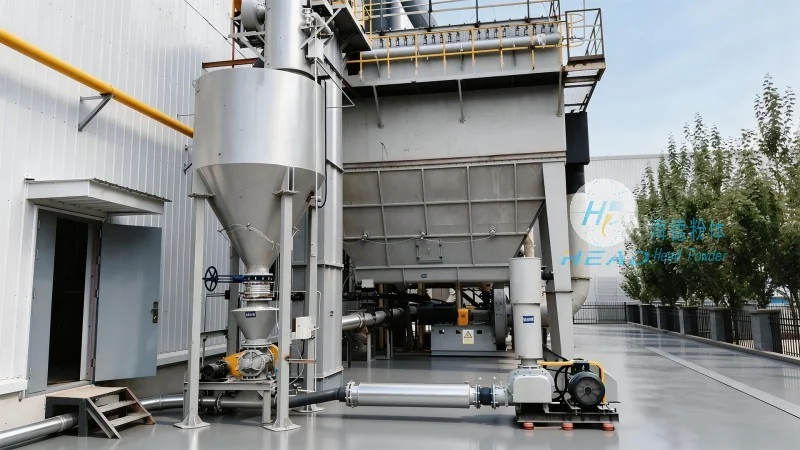
At Shandong HeadPowder Engineering Co., Ltd., we understand that each industrial application has unique requirements. Therefore, we offer customized engineering solutions tailored to the specific needs of our clients. Our team of experienced engineers works closely with clients to assess their material handling challenges and design a system that meets their performance, safety, and budgetary constraints. The company's approach includes thorough material analysis, process simulation, and on-site testing to ensure that the final system operates as intended.
HeadPowder specializes in the integration of slug flow pneumatic conveying systems with other industrial processes, such as mixing, drying, and packaging. This integration allows for a seamless flow of materials from one stage to the next, reducing the need for manual handling and improving overall productivity. The company also provides comprehensive after-sales support, including maintenance services, spare parts supply, and technical training, to ensure that the systems continue to operate at optimal levels throughout their service life.
Conclusion and Company Overview
Slug flow pneumatic conveying is a highly effective and versatile method for bulk material transport, offering significant advantages in terms of efficiency, reliability, and product integrity. Shandong HeadPowder Engineering Co., Ltd., operating under the brand name headpowder, has established itself as a leading provider of these advanced systems, with a strong commitment to innovation and customer satisfaction. By leveraging our expertise in engineering and material handling, we help our clients optimize their operations and achieve their business goals. With our headquarters located in Shandong, China, we serve clients globally, delivering high-quality solutions that meet the demands of modern industrial applications.