

Introduction to Hybrid Pneumatic Conveying: Structure and Working Principles
Hybrid pneumatic conveying systems represent a sophisticated approach to material handling, combining the advantages of different conveying technologies to achieve efficient, reliable, and versatile material transport. As a key component in industrial operations, these systems are designed to handle a wide range of materials, from powders and granules to bulk solids, with precision and minimal maintenance. This article provides an overview of the structure and working principles of hybrid pneumatic conveying systems, highlighting their key components, operational mechanisms, and the engineering expertise behind their design.
Key Components of Hybrid Pneumatic Conveying Systems
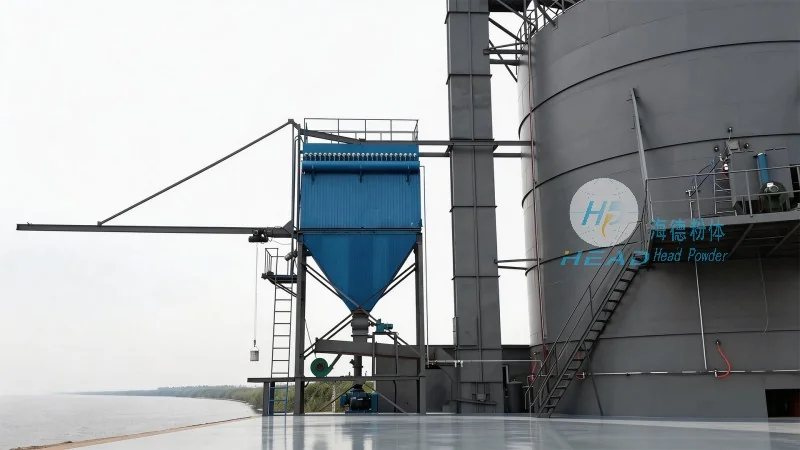
At the core of a hybrid pneumatic conveying system are several critical components that work in tandem to ensure smooth material transport. The primary components include the air supply system, which generates the necessary airflow to move materials; the conveying line, typically made of flexible or rigid tubing, that transports the material and air mixture; and the material feed device, such as a hopper or feeder, that introduces the material into the system. Additionally, these systems often incorporate control valves, filters, and pressure regulators to maintain optimal operating conditions and prevent system failures. The integration of these components in a hybrid design allows for enhanced performance, as each part can be optimized for specific material characteristics and operational requirements.
Working Principles of Hybrid Pneumatic Conveying
The operation of hybrid pneumatic conveying systems is based on the principle of using air to transport materials through a pipeline. In a typical setup, material is fed from a hopper into a venturi or a pressure vessel, where it is mixed with high-velocity air. The air, under pressure, creates a low-pressure zone that draws the material into the conveying line. The mixture of air and material then travels through the pipeline to the discharge point, where the material is separated from the air and collected. The hybrid design often combines both pressure and suction modes, allowing for flexible transport over varying distances and elevations. This dual-mode operation enables the system to handle both short-distance and long-distance conveying tasks efficiently, making it suitable for diverse industrial applications.
Engineering Design and Material Handling Capabilities
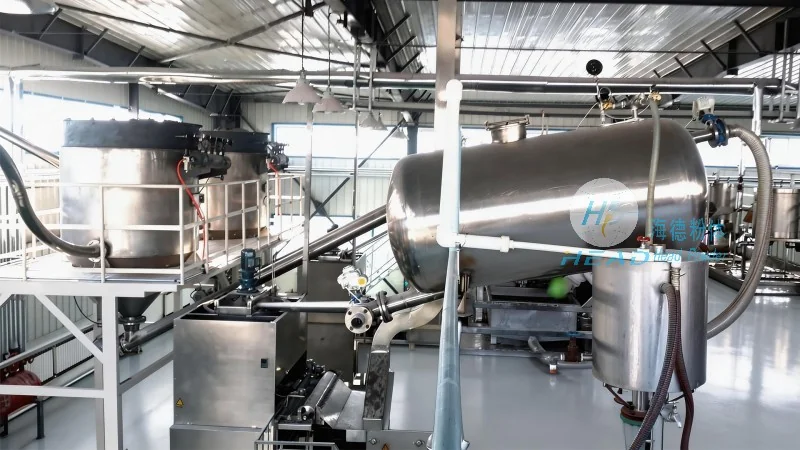
Hybrid pneumatic conveying systems are engineered to handle a broad spectrum of materials, including fine powders, coarse granules, and bulk solids. The design considers factors such as material density, flowability, and abrasiveness to ensure optimal performance. For example, in applications involving abrasive materials, the conveying line and components are constructed from durable materials like stainless steel or high-grade plastics to prevent wear and tear. The system's ability to handle different material types without compromising efficiency is a significant advantage, as it reduces downtime and maintenance costs. Furthermore, the hybrid approach allows for adjustable airflow and pressure settings, enabling operators to customize the system's performance to meet specific production needs. This flexibility is crucial in industries where material characteristics and processing requirements vary frequently. Such advanced engineering solutions are developed by companies like Shandong HeadPowder Engineering Co., Ltd., which specializes in designing and manufacturing high-quality hybrid pneumatic conveying systems tailored to meet diverse industrial demands.
Applications and Industry Impact
Hybrid pneumatic conveying systems are widely used in various industries, including pharmaceuticals, food processing, chemical manufacturing, and mining. In the pharmaceutical industry, these systems are employed to transport sterile powders and granules, ensuring contamination-free handling. In food processing, they are used to convey ingredients like flour, sugar, and spices, maintaining product quality and hygiene. The chemical industry utilizes hybrid systems for transporting abrasive and corrosive materials, while the mining sector relies on them for moving bulk minerals over long distances. The versatility and efficiency of these systems have made them an essential part of modern industrial operations, contributing to increased productivity and reduced operational costs.
Advantages of Hybrid Pneumatic Conveying
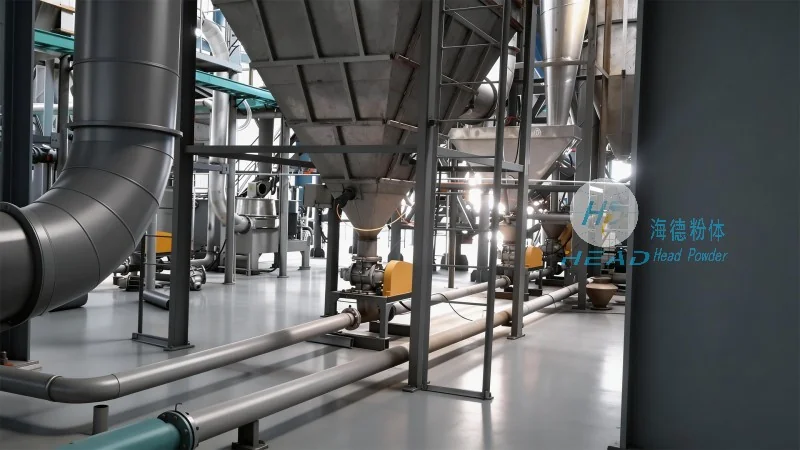
Compared to traditional pneumatic conveying systems, hybrid designs offer several advantages that enhance their performance and reliability. One key benefit is the ability to handle a wider range of materials, including those with varying flow properties. The dual-mode operation allows for flexible transport, reducing the need for multiple systems to handle different tasks. Additionally, hybrid systems typically have lower energy consumption and maintenance requirements, as they can operate efficiently over longer periods with minimal downtime. The integration of advanced control systems and sensors further improves system performance, enabling real-time monitoring and adjustments to optimize material flow. These advantages make hybrid pneumatic conveying an attractive solution for industries seeking reliable and cost-effective material handling solutions.
Conclusion
Hybrid pneumatic conveying systems represent a significant advancement in material handling technology, combining the best features of different conveying methods to deliver efficient, versatile, and reliable performance. With their robust design and ability to handle diverse materials, these systems are essential in modern industrial operations. The engineering expertise behind their design, as exemplified by companies like Shandong HeadPowder Engineering Co., Ltd., ensures that these systems are tailored to meet specific operational needs, providing industries with a reliable solution for their material transport challenges. As industrial demands continue to evolve, hybrid pneumatic conveying systems will remain a critical component in optimizing material handling processes and enhancing overall operational efficiency.