

Introduction to Dry Dust Removal Equipment: Structure and Working Principles
Dry dust removal equipment is a critical component in industrial processes, designed to capture and remove particulate matter from air streams without the use of water. This technology is widely employed across various industries, including manufacturing, mining, and power generation, to ensure compliance with environmental regulations and to maintain air quality standards. The equipment operates by utilizing mechanical or electrostatic forces to separate dust particles from the gas stream, making it an essential tool for industrial hygiene and environmental protection.
Key Components and Structure of Dry Dust Removal Equipment
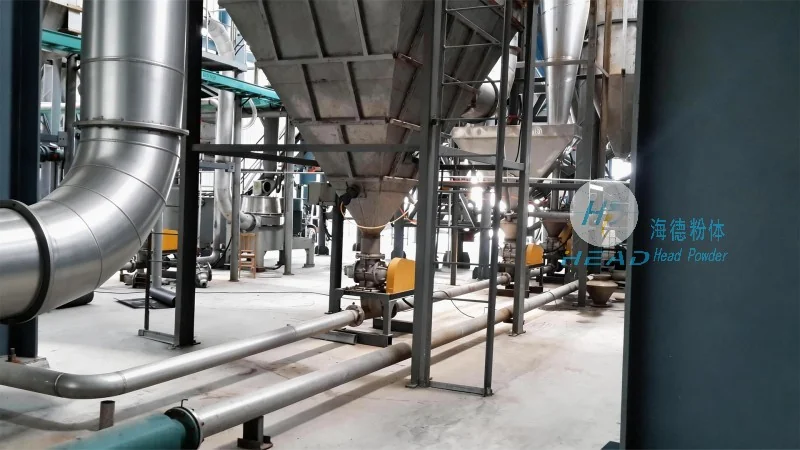
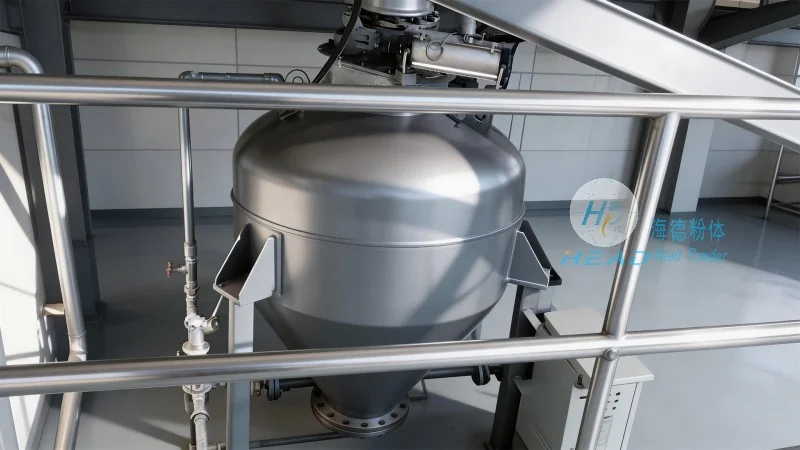
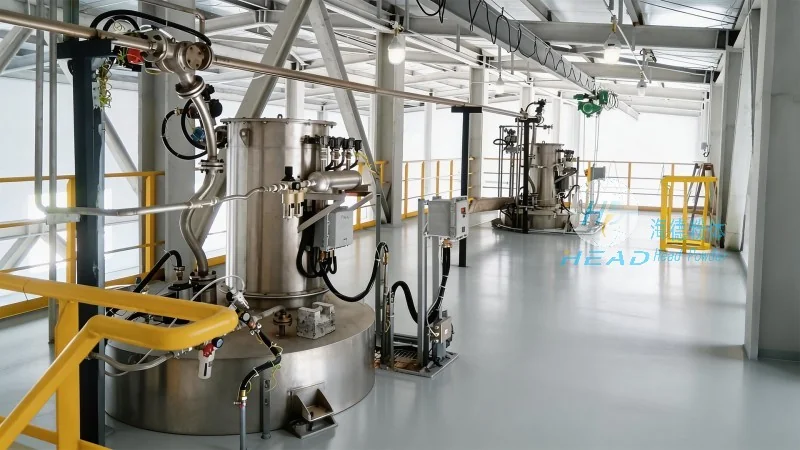
The structure of dry dust removal equipment is engineered to maximize efficiency and reliability in capturing airborne particulates. A typical system includes several core components: the inlet duct, which directs contaminated air into the system; the dust collection chamber, where separation occurs; the dust hopper or collection bin, for storing removed dust; and the outlet duct, for releasing clean air. The inlet duct is designed with a specific angle and shape to ensure uniform air distribution as it enters the collection chamber. The dust collection chamber may feature a cylindrical or conical design, depending on the technology used, such as cyclones or electrostatic precipitators. For example, in a cyclone separator, the chamber is typically a cylindrical tube with a tangential inlet, creating a swirling motion that separates dust from the air. In electrostatic precipitators, the chamber houses a series of electrodes and collection plates, arranged to create an electric field that charges dust particles. The dust hopper is usually located at the bottom of the chamber and is equipped with a discharge mechanism to remove collected dust. The outlet duct is positioned at the top of the chamber, allowing clean air to exit with minimal resistance. Each component is carefully designed to work in harmony, ensuring that the system operates with high efficiency and low maintenance requirements.