

Operation Process and Working Principle of Pneumatic Conveying Equipment for Alumina Powder Material
HeadPowder, a leading manufacturer based in Shandong, China, specializes in the design, production, and supply of advanced pneumatic conveying equipment tailored for the alumina powder industry. This article provides a detailed overview of the operational process and working principles of such equipment, highlighting the key components, functions, and the systematic approach to material handling in alumina production facilities.
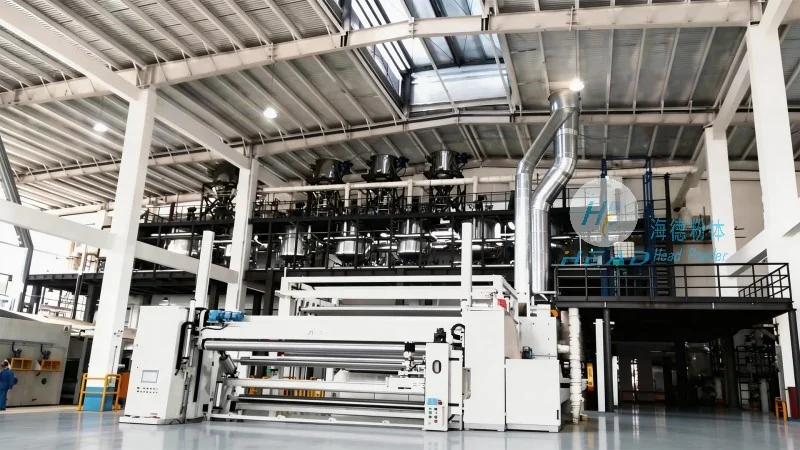
Introduction to Pneumatic Conveying Equipment for Alumina Powder
Pneumatic conveying systems are essential in alumina processing plants for efficiently transporting fine powders like alumina over short to medium distances. These systems utilize air or gas as the conveying medium to move the material from one location to another, eliminating the need for mechanical components such as belts or buckets. The equipment is designed to handle the unique properties of alumina powder, including its fine particle size, high density, and potential for static electricity, ensuring safe and reliable operation.
Key Components of the Pneumatic Conveying System
The pneumatic conveying equipment for alumina powder typically consists of several critical components that work in tandem to achieve efficient material transport. These components include the hopper or feeder, the air compressor or blower, the conveying line, the receiver or discharge hopper, and control valves. Each component plays a vital role in the overall operation, ensuring the smooth and continuous movement of the powder.
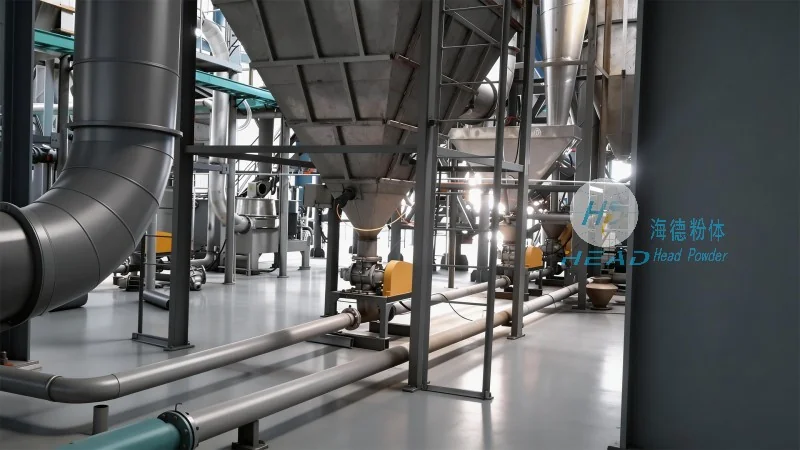
Operation Process of the Pneumatic Conveying Equipment
The operation process of the alumina powder pneumatic conveying system begins with the material being fed into the hopper. The feeder, often a rotary valve or a screw feeder, regulates the flow of alumina powder into the system, preventing overfilling and maintaining a consistent feed rate. Simultaneously, the air compressor or blower generates a high-pressure air stream, which is introduced into the conveying line. The air flow creates a vacuum or pressure differential that draws the alumina powder particles into the line, where they are suspended and transported to the receiver.
As the powder travels through the conveying line, it is kept in suspension by the air flow. The line may include bends, expansions, or restrictions, which are designed to minimize particle separation and maintain the flow. The receiver, located at the destination point, collects the alumina powder as the air is filtered and returned to the system or vented to the atmosphere. The control valves, such as check valves or pressure relief valves, regulate the flow of air and material, ensuring the system operates within safe and efficient parameters.
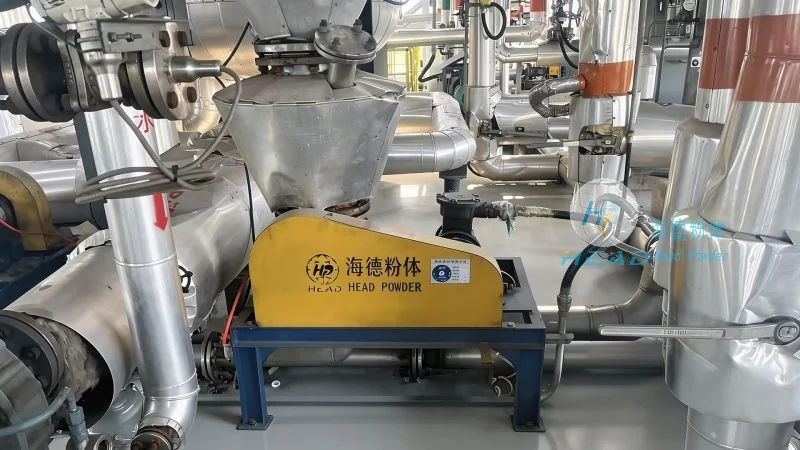
Working Principle of the Pneumatic Conveying Equipment
The working principle of the pneumatic conveying system relies on the principles of fluid dynamics and particle suspension. The air compressor or blower provides the necessary pressure to move the air through the system, while the feeder controls the rate of material input. The key is to maintain a sufficient air velocity to keep the alumina powder particles suspended, preventing them from settling or clogging the conveying line. The system operates on either positive pressure or negative pressure (or a combination of both), depending on the specific application and the distance to be covered.
Positive pressure systems use the compressor to force air and material through the line, while negative pressure systems use a vacuum to draw the material into the line. The choice of system depends on factors such as the distance between the feeder and receiver, the volume of material to be transported, and the properties of the alumina powder. The equipment is designed to handle varying flow rates and particle sizes, ensuring flexibility in different alumina processing scenarios.
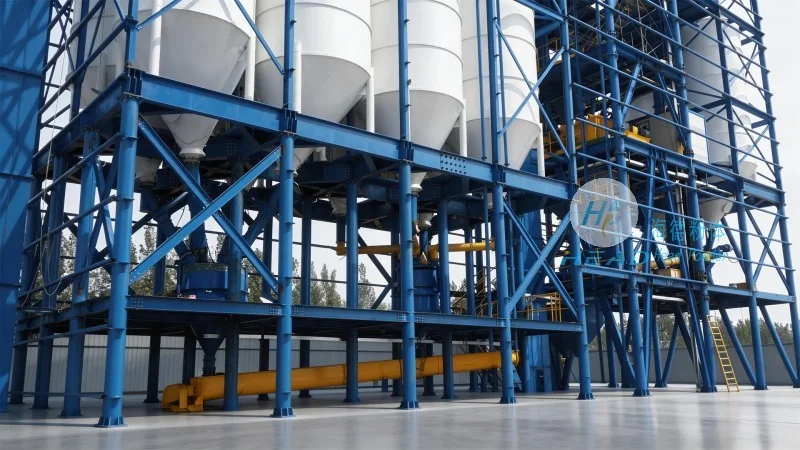
Advantages of Pneumatic Conveying for Alumina Powder
Pneumatic conveying equipment offers several advantages over traditional mechanical conveying methods for alumina powder. These include reduced material handling time, lower labor costs, and improved safety by eliminating the need for manual handling of fine powders. The system also minimizes product contamination and dust exposure, which is crucial in alumina production where purity is paramount. Additionally, the equipment is compact and can be easily integrated into existing alumina processing facilities, providing a cost-effective solution for material transport.
Conclusion
HeadPowder's pneumatic conveying equipment for alumina powder is engineered to provide reliable, efficient, and safe material handling solutions for the alumina industry. By understanding the operation process and working principles of these systems, users can optimize their alumina processing operations, improve productivity, and ensure compliance with industry standards. With a commitment to quality and innovation, Shandong HeadPowder Engineering Co., Ltd. continues to deliver advanced pneumatic conveying solutions that meet the evolving needs of the alumina market.