

Operation Process and Working Principle of Paddy Grain Bulk Material Pneumatic Conveying Equipment
Shandong HeadPowder Engineering Co., Ltd. specializes in the design, manufacturing, and supply of advanced pneumatic conveying systems tailored for handling paddy grain and other bulk materials. The company, operating from Shandong, China, has established itself as a leading provider in the field of bulk material handling solutions, focusing on efficient and reliable equipment for agricultural and industrial applications. This article delves into the operational process and working principles of their paddy grain pneumatic conveying equipment, highlighting key components, operational steps, and the technical aspects that ensure optimal performance.
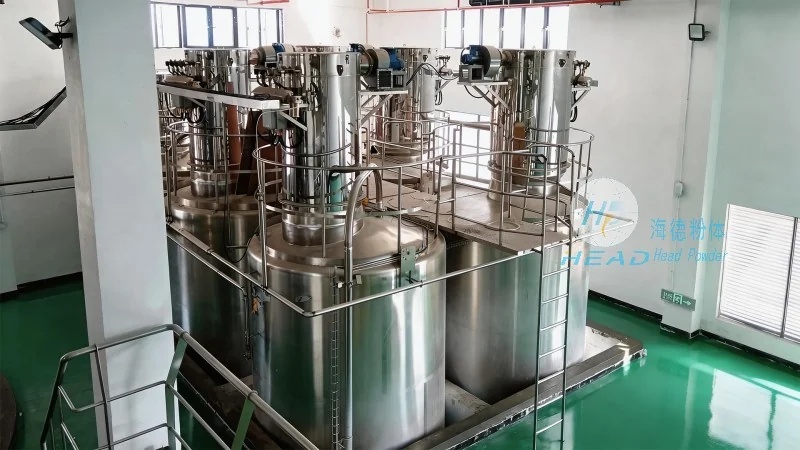
Key Components of the Pneumatic Conveying System
The paddy grain pneumatic conveying system by Shandong HeadPowder Engineering Co., Ltd. comprises several critical components that work in synergy to transport bulk materials. The main elements include a hopper for material storage, a rotary valve or feeder to control the flow rate, a conveying pipeline network, a blower or air compressor to generate the necessary air pressure, and a dust collection system for maintaining air quality and preventing contamination. Each component is meticulously designed to handle the specific characteristics of paddy grain, such as its size, moisture content, and density, ensuring smooth and continuous operation.
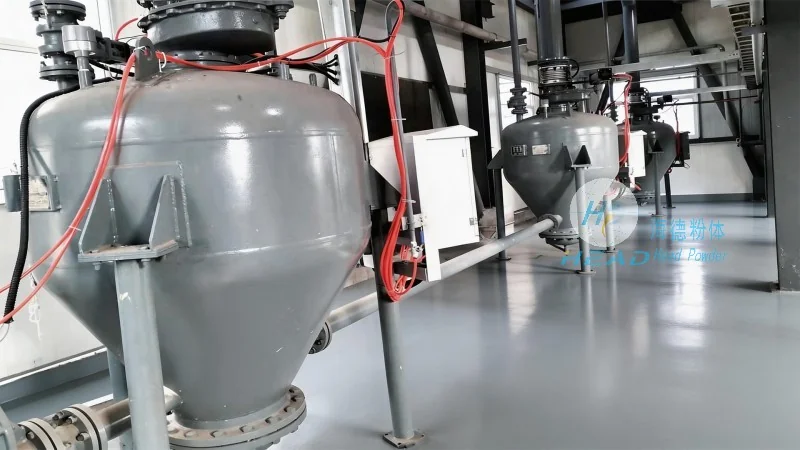
Operation Process of the Pneumatic Conveying Equipment
The operation of the paddy grain pneumatic conveying equipment follows a systematic process that begins with material loading and ends with delivery at the destination. Initially, paddy grain is fed into the hopper from a storage silo or truck. The rotary valve then regulates the flow of grain into the conveying pipeline, controlling the quantity and speed of material discharge. Simultaneously, the blower generates a high-pressure air stream that travels through the pipeline, creating a vacuum or pressure differential that propels the grain particles. As the air and grain mixture moves through the pipeline, it passes through various sections, including bends, elbows, and expansion joints, which are engineered to minimize pressure loss and maintain the flow velocity. The conveying process continues until the grain reaches the discharge point, where a cyclone separator or filter separates the grain from the air, allowing the grain to be deposited into a receiving container or storage bin. The air, now relatively clean, is either recirculated or vented to the atmosphere, depending on the system design.
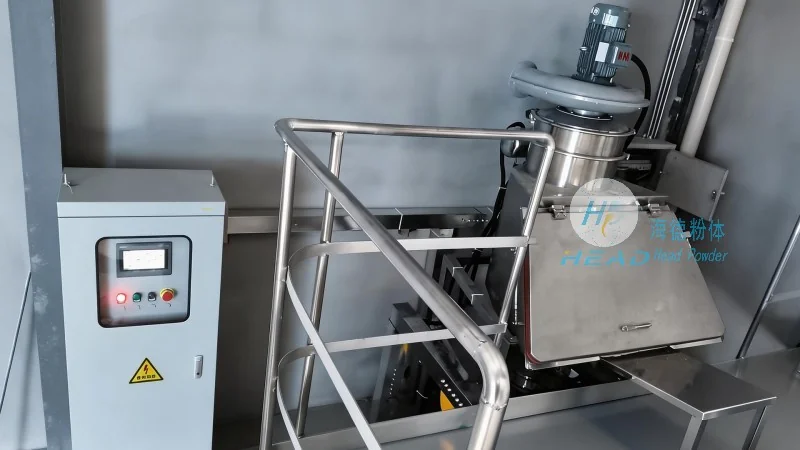
Working Principle of the Pneumatic Conveying System
The core working principle of the paddy grain pneumatic conveying system is based on the fluidization and suspension of the material particles in a high-velocity air stream. When the blower produces sufficient air pressure, the air flows through the conveying pipeline, creating a flow that can lift and transport the paddy grain particles. This process is often referred to as "pneumatic transport" or "airslide transport," where the grain is suspended in the air and moved along the pipeline. The key to efficient operation lies in maintaining an optimal air-to-material ratio, which ensures that the grain particles are fully suspended without excessive air consumption or pressure drop. The system also incorporates features such as airlocks and check valves to prevent backflow and maintain the direction of material flow, enhancing the reliability and safety of the operation.
Advantages of Using Paddy Grain Pneumatic Conveying Equipment
Shandong HeadPowder Engineering Co., Ltd.'s paddy grain pneumatic conveying equipment offers several advantages over traditional mechanical conveying methods. Firstly, it eliminates the need for moving parts in contact with the material, reducing wear and tear and minimizing the risk of contamination. The enclosed system also prevents dust and moisture from escaping, maintaining the quality of the paddy grain and ensuring compliance with environmental regulations. Additionally, the system allows for flexible and remote operation, enabling precise control over the flow rate and destination of the material. This flexibility is particularly beneficial in agricultural settings, where paddy grain may need to be transported to different storage facilities or processing plants. Furthermore, the pneumatic conveying system is energy-efficient compared to other methods, as it uses air pressure to move the material rather than mechanical force, resulting in lower operational costs and reduced energy consumption.

Maintenance and Operational Considerations
To ensure the long-term performance and reliability of the paddy grain pneumatic conveying equipment, regular maintenance and proper operational practices are essential. The company recommends routine inspections of the hopper, rotary valve, and blower to detect any signs of wear or damage. Cleaning the conveying pipeline and cyclone separator regularly is crucial to prevent blockages and maintain air quality. Additionally, monitoring the air pressure and flow rate during operation helps identify any issues early and allows for timely adjustments. Proper training of operators on the system's controls and safety procedures is also vital to prevent accidents and ensure safe operation. By adhering to these maintenance and operational guidelines, users can maximize the lifespan of the equipment and maintain consistent performance.