

Operation Process and Working Principle of Sand and Soil Powder Pneumatic Conveying Line
HeadPowder, a leading engineering company based in Shandong, China, specializes in the design, manufacturing, and installation of advanced pneumatic conveying systems for various bulk materials, including sand and soil powders. This article provides a detailed overview of the operation process and working principles of a sand and soil powder pneumatic conveying line, highlighting the key components, operational steps, and technical aspects that ensure efficient and reliable material transport.
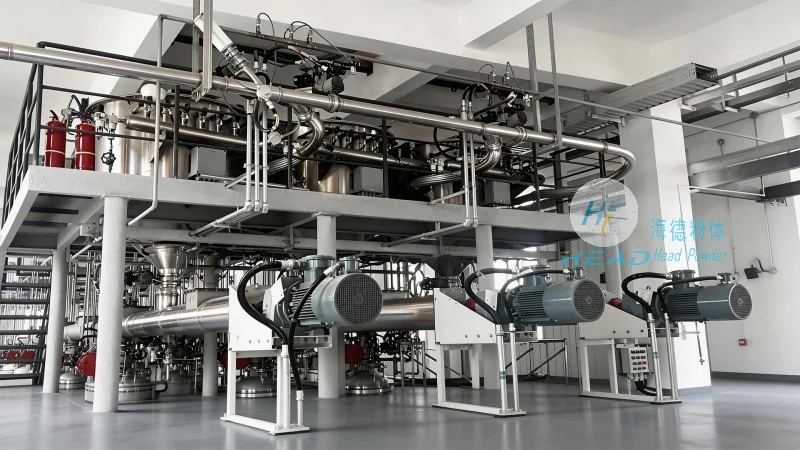
Introduction to Sand and Soil Powder Pneumatic Conveying
Sand and soil powders are commonly used in construction, mining, and industrial applications due to their versatility and availability. However, transporting these materials efficiently can be challenging due to their fine particle size and potential for dust generation. Pneumatic conveying systems offer a solution by using compressed air to move powders through a pipeline, eliminating the need for mechanical components like belts or buckets that may cause material degradation or contamination. The sand and soil powder pneumatic conveying line is a specialized system designed to handle these materials with precision and minimal loss.
Key Components of the Pneumatic Conveying System
The sand and soil powder pneumatic conveying line consists of several critical components that work in tandem to achieve effective material transport. These components include the material hopper, feeder, air compressor, conveying pipeline, and discharge device. Each component plays a vital role in the overall operation of the system.
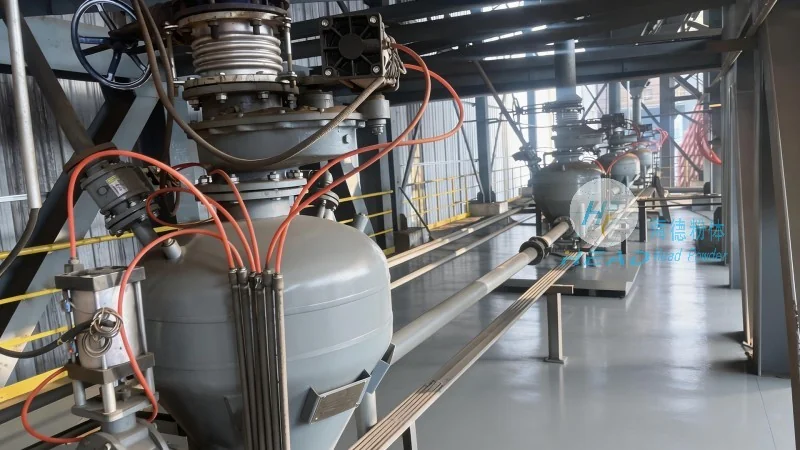
The material hopper is the initial storage unit where sand and soil powders are loaded. It is typically designed with a sloped bottom to facilitate material flow into the feeder. The feeder, often a rotary or vibratory type, regulates the flow rate of the powder into the conveying pipeline, ensuring a consistent and controlled feed. The air compressor generates the necessary compressed air pressure to move the material through the pipeline. The conveying pipeline, usually made of stainless steel or other corrosion-resistant materials, is designed to withstand the pressure and abrasion from the powders. Finally, the discharge device, such as a rotary valve or a dust collector, collects the material at the end of the pipeline, preventing dust emissions and ensuring safe handling.
Operation Process of the Pneumatic Conveying Line
The operation of the sand and soil powder pneumatic conveying line involves a series of sequential steps that ensure smooth and continuous material transport. The process begins with loading the material hopper with sand and soil powders. The feeder then starts to rotate or vibrate, feeding the powder into the conveying pipeline at a controlled rate. Simultaneously, the air compressor supplies compressed air into the pipeline, creating a pressure differential that propels the material forward. As the powder moves through the pipeline, it is carried by the air stream, which helps to prevent clogging and maintain a consistent flow rate. The material is then discharged at the receiving end through the discharge device, where it is collected for further use or processing.
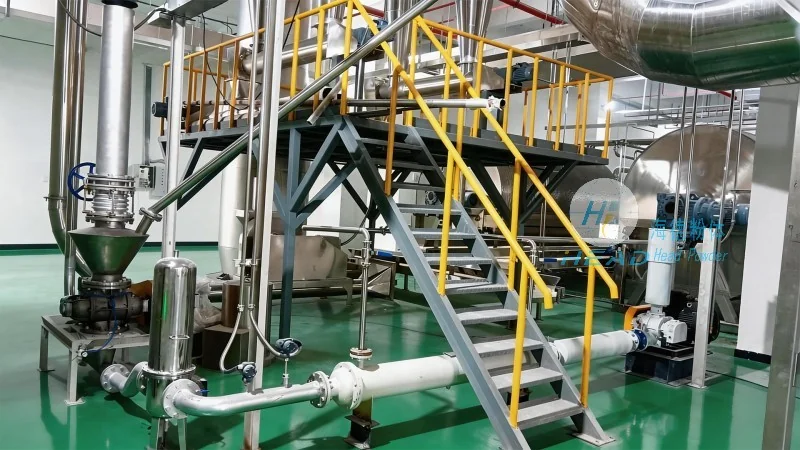
Working Principle of the Pneumatic Conveying System
The working principle of the sand and soil powder pneumatic conveying line is based on the fundamental concept of fluidization and pneumatic transport. When compressed air is introduced into the conveying pipeline, it creates a low-density air-powder mixture, which allows the powder particles to be suspended and transported along the pipeline. The key to efficient operation is maintaining the correct air-to-material ratio, which ensures that the powder remains in a fluidized state without excessive pressure drop or particle separation. The system relies on the Bernoulli principle, where the pressure energy from the compressed air is converted into kinetic energy to move the material. Proper design of the components, such as the hopper and feeder, is crucial to prevent material bridging or caking, which can disrupt the flow and reduce system efficiency.
Advantages of Using a Sand and Soil Powder Pneumatic Conveying Line
Implementing a sand and soil powder pneumatic conveying line offers several advantages over traditional mechanical conveying methods. Firstly, it eliminates the need for moving parts like belts or buckets, reducing maintenance costs and minimizing the risk of material contamination. Secondly, the system provides a dust-free and enclosed environment, which improves workplace safety and compliance with environmental regulations. Thirdly, the ability to transport materials over long distances with minimal loss makes it ideal for large-scale industrial applications. Additionally, the system can be easily integrated with other processing equipment, enhancing overall operational efficiency.
Applications and Industries
The sand and soil powder pneumatic conveying line is widely used in various industries, including construction, mining, and manufacturing. In construction, it is used to transport sand and soil for concrete mixing and foundation work. In mining, it helps to move ore and tailings from processing plants to storage or disposal sites. In manufacturing, it is utilized in the production of cement, ceramics, and other powder-based products. The versatility of the system makes it suitable for a wide range of applications where efficient and reliable material transport is essential.
Maintenance and Troubleshooting
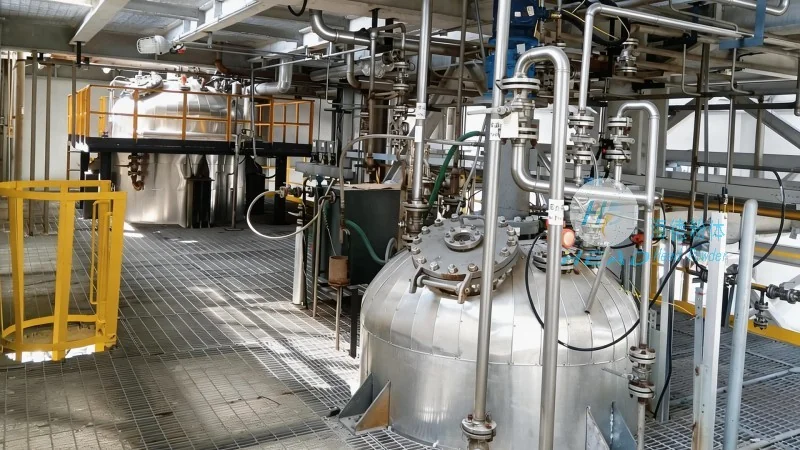
To ensure the long-term performance and reliability of the sand and soil powder pneumatic conveying line, regular maintenance is essential. This includes checking the air compressor for proper pressure and flow, inspecting the conveying pipeline for blockages or wear, and cleaning the hopper and feeder to prevent material buildup. Common issues that may arise include pressure drop, clogging, or air leaks, which can be addressed by adjusting the feeder speed, cleaning the pipeline, or replacing worn components. By following a regular maintenance schedule, the system can operate efficiently and minimize downtime.
Conclusion
The sand and soil powder pneumatic conveying line is a sophisticated and efficient system that addresses the challenges of transporting fine powders like sand and soil. With its advanced components and operational principles, it provides a reliable solution for various industrial applications. HeadPowder, with its expertise in engineering and manufacturing, offers customized solutions tailored to the specific needs of clients, ensuring optimal performance and cost-effectiveness. By understanding the operation process and working principles of this system, users can make informed decisions about implementing such technology in their operations.