

Operation Process and Working Principle of a Powder Mixing and Gas-Solid Pneumatic Conveying Line
At Shandong HeadPowder Engineering Co., Ltd., we specialize in the design, manufacturing, and installation of advanced powder handling systems, including the powder mixing and pneumatic conveying lines that are critical for efficient material transport in various industrial applications. This article provides a detailed overview of the operation process and working principles of such a system, highlighting the key components, operational steps, and the technical aspects that ensure reliable and efficient powder handling.
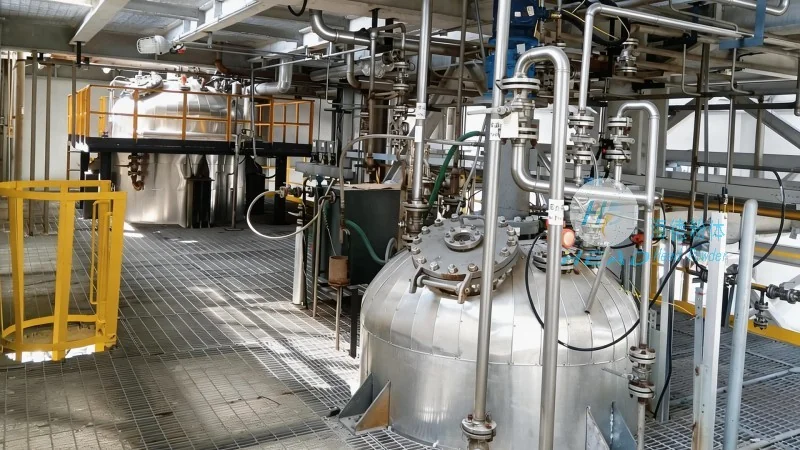
Key Components of the Powder Mixing and Pneumatic Conveying Line
The powder mixing and pneumatic conveying line typically consists of several essential components that work in tandem to achieve the desired material handling and mixing objectives. These components include:
- Powder Hoppers: These are storage vessels designed to hold the raw materials or powders that need to be processed. They are equipped with feeding mechanisms, such as rotary valves or gate valves, to control the flow of material into the system.
- Pneumatic Conveying Equipment: This includes the main conveying pipes, air movers (like positive displacement blowers or rotary lobe blowers), and associated fittings. The air movers generate the necessary airflow to transport the powders through the system.
- Mixing Units: Depending on the application, mixing units like screw mixers or paddle mixers may be integrated into the line to ensure uniform blending of different powder components.
- Control Systems: Advanced control systems, often with programmable logic controllers (PLCs), are used to monitor and regulate the flow rates, pressure, and other parameters to maintain optimal performance.
Operation Process of the Powder Mixing and Pneumatic Conveying Line
The operation of the powder mixing and pneumatic conveying line follows a systematic sequence of steps to ensure efficient material transport and mixing. The process generally begins with the loading of powders into the hoppers. Once the hoppers are filled, the feeding mechanisms start to release the material into the conveying line. Simultaneously, the air movers generate the required airflow, which draws the powders into the conveying pipes through the use of pressure or vacuum.
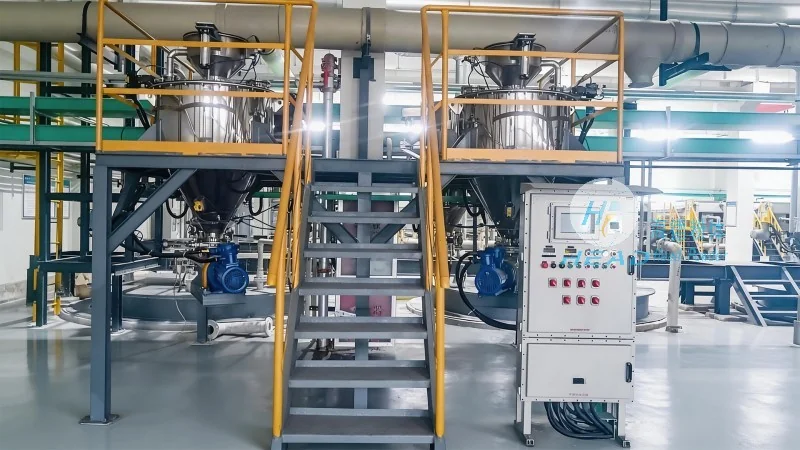
As the powders are conveyed, they may pass through the mixing units where they are combined with other ingredients to achieve the desired blend. The control systems continuously monitor the flow rates and pressure within the system, adjusting the airflow as needed to maintain consistent performance. The mixed powders are then discharged from the system into the final storage or processing equipment.
Working Principle of the Pneumatic Conveying System
The working principle of the pneumatic conveying system is based on the movement of powders using air as the conveying medium. There are two primary types of pneumatic conveying systems: pressure and vacuum systems. In a pressure system, the air mover operates at a higher pressure, pushing the powders through the system from the source to the destination. In a vacuum system, the air mover creates a negative pressure, drawing the powders into the system.
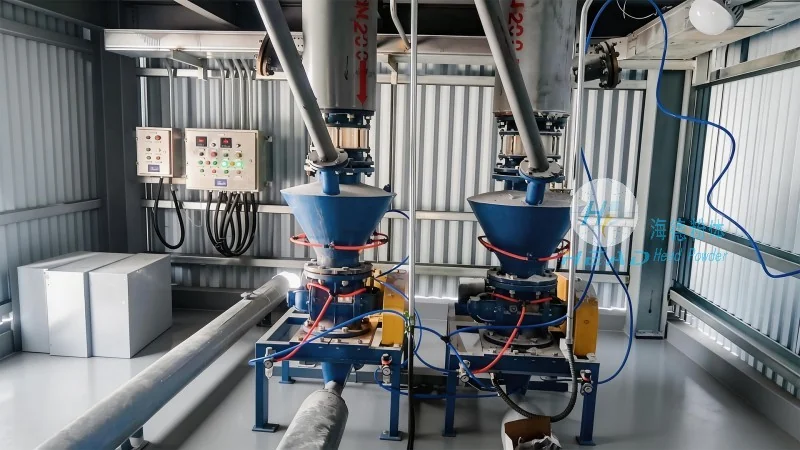
During the conveying process, the powders are suspended in the air stream and transported through the pipes. The velocity of the air and the size of the particles determine the efficiency of the conveying. Proper design of the conveying line, including pipe diameter, bends, and fittings, is crucial to minimize pressure drop and ensure smooth material flow.
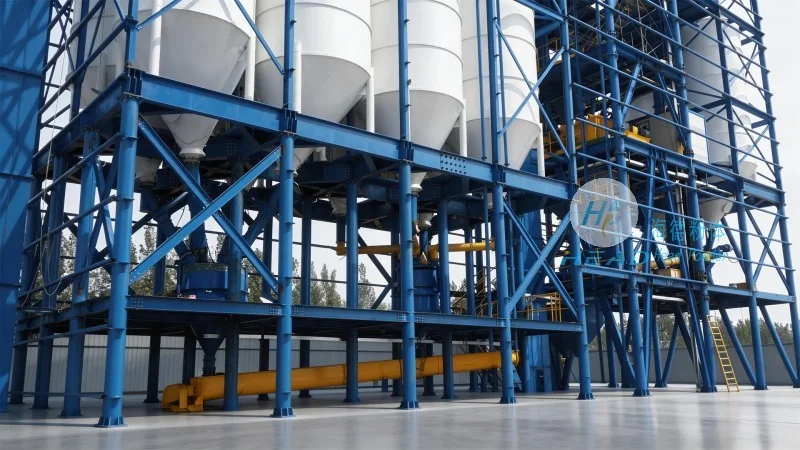
Ensuring Reliability and Efficiency in Operation
Several factors contribute to the reliability and efficiency of the powder mixing and pneumatic conveying line. Regular maintenance of the components, such as cleaning the hoppers and conveying pipes to prevent clogging, is essential. Additionally, the control systems play a vital role in monitoring and adjusting the operational parameters to prevent issues like blockages or uneven mixing.
The integration of mixing units within the line allows for real-time blending of different powders, ensuring that the final product meets the required specifications. This combination of pneumatic conveying and mixing capabilities makes the system suitable for a wide range of applications, including pharmaceuticals, food processing, and chemical manufacturing.