

Operation Process and Working Principle of Industrial Alkali Powder Pneumatic Conveying Equipment
Industrial alkali powder pneumatic conveying equipment is a critical component in modern manufacturing and material handling systems, designed to efficiently transport alkaline powders such as caustic soda, sodium hydroxide, or other similar chemical powders. The equipment, manufactured by Shandong HeadPowder Engineering Co., Ltd., a leading company based in Shandong, China, combines advanced engineering with robust construction to ensure reliable and safe operation. This equipment is widely used in industries like chemical processing, pharmaceuticals, and food processing, where precise and controlled powder transfer is essential for maintaining product quality and operational efficiency.
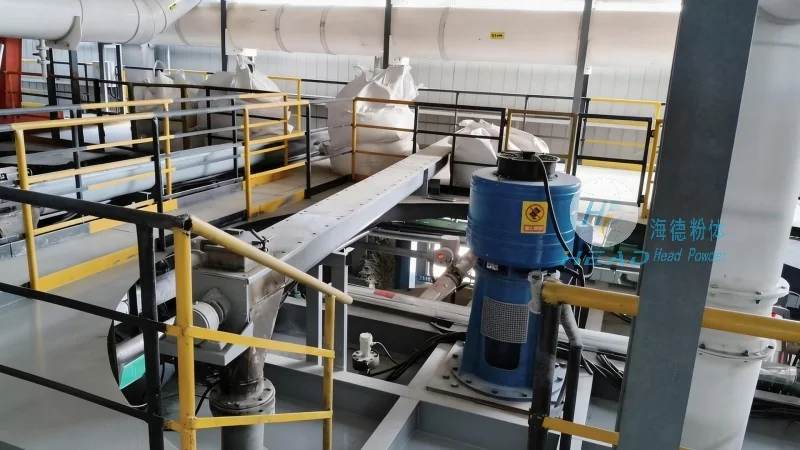
Key Components and Their Functions
The industrial alkali powder pneumatic conveying system typically consists of several key components, each playing a vital role in the overall operation. These components include the hopper or feed hopper, which stores the alkali powder and feeds it into the system; the air compressor or blower, which generates the necessary air pressure to move the powder; the conveying line or pipeline, which transports the powder from the source to the destination; and the receiver or discharge hopper, where the powder is collected. Additionally, the system may include accessories like filters, cyclones, and pressure regulators to ensure optimal performance and prevent material degradation or equipment damage.
Working Principle of the Pneumatic Conveying Process
The operation of the industrial alkali powder pneumatic conveying equipment is based on the principle of pneumatic transport, where the powder is suspended in a stream of air and transported through the pipeline. The process begins with the alkali powder being fed from the hopper into the conveying line. The air compressor then supplies compressed air, which creates a pressure differential between the hopper and the discharge point. As the air flows through the pipeline, it lifts and carries the powder particles, forming a dense phase or dilute phase conveying system depending on the system design and operational parameters. The dense phase conveying is often preferred for long-distance or high-density powder transport as it minimizes particle degradation and reduces the risk of blockages. The powder is then discharged into the receiver at the end of the pipeline, completing the transfer process.
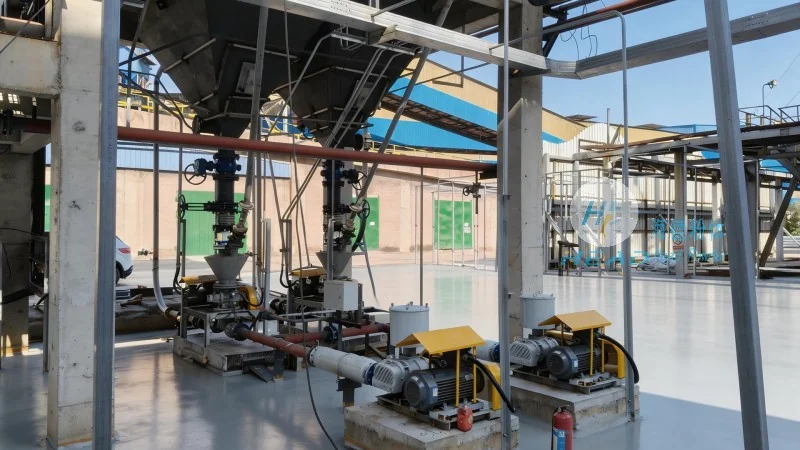
Operation Process: Step-by-Step Overview
The operation of the industrial alkali powder pneumatic conveying equipment follows a systematic process to ensure smooth and efficient powder transfer. The first step involves preparing the system by checking the air compressor and ensuring it is properly connected to the power source. Next, the hopper is filled with the alkali powder, and the system is primed to remove any air or moisture from the pipeline. Once primed, the air compressor is started, and the pressure is adjusted to the appropriate level based on the powder characteristics and conveying distance. The powder is then released from the hopper into the conveying line, and the air flow carries the powder to the receiver. During operation, the system is monitored for pressure, flow rate, and any signs of blockage or leakage. If any issues arise, the system can be stopped and inspected to identify and resolve the problem. The process concludes when the hopper is emptied or the required amount of powder has been transferred, and the system is shut down and cleaned as needed.
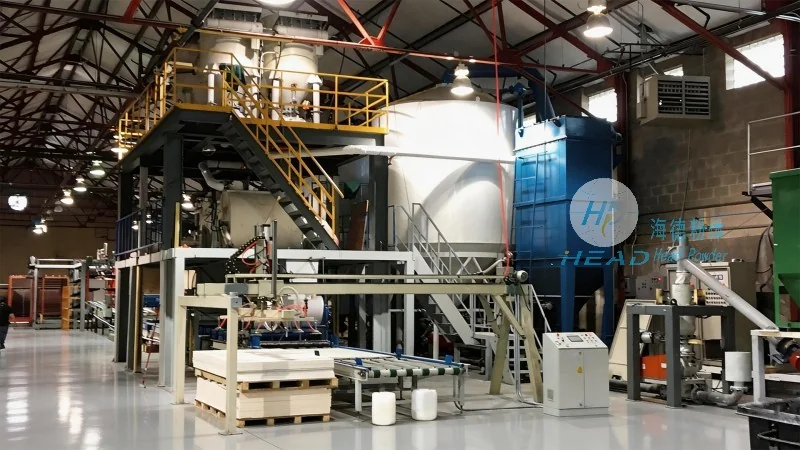
Advantages and Applications
Industrial alkali powder pneumatic conveying equipment offers several advantages over traditional mechanical conveying methods. These include reduced labor costs, as the system can operate automatically with minimal human intervention; improved safety, as the equipment is enclosed and prevents dust exposure and material handling hazards; and enhanced product quality, as the powder is transported in a controlled environment, minimizing contamination and degradation. The equipment is particularly suitable for transporting fine or abrasive alkali powders, where mechanical conveyors may cause excessive wear or particle breakage. Applications include the transfer of caustic soda from storage tanks to reactors, the delivery of sodium hydroxide to packaging lines, and the handling of other alkaline powders in chemical and industrial processes.
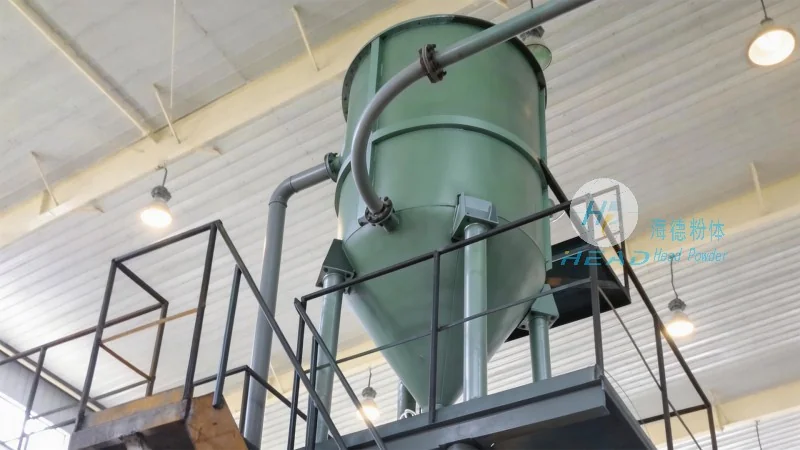
Maintenance and Safety Considerations
Proper maintenance and adherence to safety guidelines are crucial for the reliable operation and longevity of the industrial alkali powder pneumatic conveying equipment. Regular maintenance tasks include checking and replacing air filter elements, inspecting the conveying line for leaks or damage, and cleaning the hopper and receiver to prevent powder buildup. The air compressor should be serviced according to the manufacturer's recommendations to ensure optimal performance and prevent overheating or breakdown. Safety considerations include wearing appropriate personal protective equipment (PPE) such as gloves and goggles when handling the alkali powder, ensuring the system is properly grounded to prevent electrical hazards, and implementing emergency shutdown procedures in case of system failure. By following these maintenance and safety practices, the equipment can operate efficiently and safely, minimizing downtime and ensuring the quality of the transferred powder.
Conclusion
Industrial alkali powder pneumatic conveying equipment, as exemplified by the products from Shandong HeadPowder Engineering Co., Ltd., represents a sophisticated and efficient solution for the transport of alkaline powders in various industrial applications. Through its advanced design and reliable operation, the equipment ensures precise and controlled powder transfer, enhancing productivity and product quality while maintaining safety standards. With proper maintenance and adherence to operational guidelines, this equipment can provide long-term performance and contribute to the overall success of industrial processes that rely on the efficient handling of alkali powders.