

Operation Process and Working Principle of Concrete Powder Pneumatic Conveying Equipment
Shandong HeadPowder Engineering Co., Ltd. is a leading manufacturer specializing in concrete powder pneumatic conveying equipment. The company, operating from Shandong, China, provides innovative solutions for the efficient transportation of bulk cementitious materials. These systems are designed to meet the demands of modern construction projects, ensuring reliable and consistent material flow while minimizing operational costs and downtime.
The Operation Process of Concrete Powder Pneumatic Conveying Systems
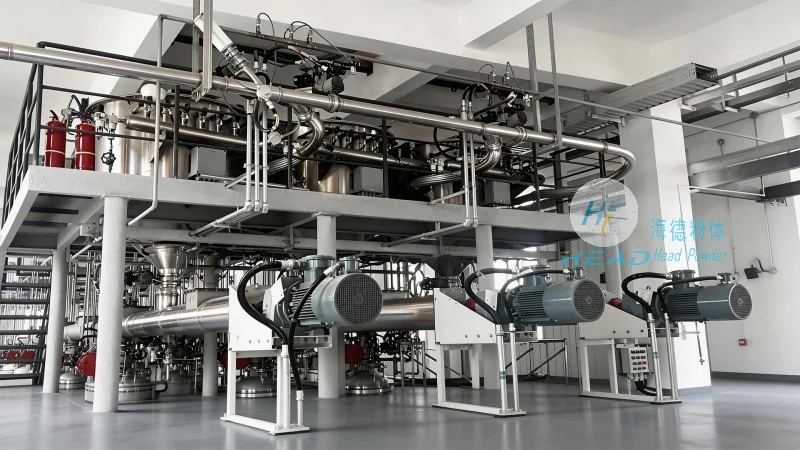
The operation of concrete powder pneumatic conveying systems involves a systematic sequence of steps that ensure smooth material transfer. The process starts with the storage of dry concrete powders in a hopper, which is equipped with a level indicator to monitor the material volume. A rotary valve or feeder then controls the discharge rate from the hopper, feeding the powder into the conveying line. Compressed air, generated by an industrial blower or compressor, is introduced into the system, creating a pressure differential that propels the material forward. The conveying line, typically made of stainless steel or other corrosion-resistant materials, is designed with appropriate bends and filters to prevent blockages and maintain air quality. As the air flows through the line, it entrains the powder particles, forming a mixture that travels to the receiving hopper or silo. The receiver is equipped with a discharge valve to control the final material output, completing the cycle.
Working Principle of Pneumatic Conveying Technology
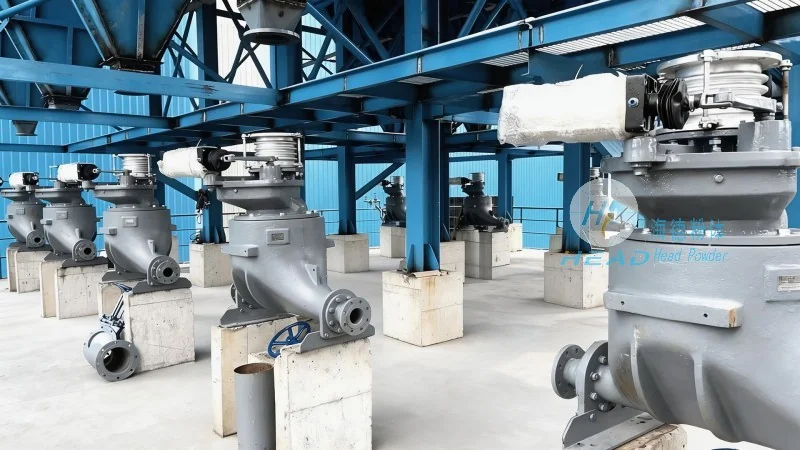
The working principle of pneumatic conveying for concrete powders is based on the fundamental physics of fluid dynamics and particle transport. In dense phase systems, the air-to-material ratio is relatively low, resulting in a high concentration of particles in the conveying stream. This method is ideal for short to medium distances and materials that are prone to segregation, as it minimizes the risk of particle separation during transport. Dilute phase systems, conversely, use a higher air-to-material ratio, allowing for longer conveying distances but with a higher likelihood of particle dispersion. The choice of system type depends on factors such as the specific properties of the concrete powder, the required conveying distance, and the desired flow rate. The compressed air serves as the driving force, providing the necessary energy to move the material through the system. The air is filtered to remove any contaminants, ensuring that the system operates efficiently and meets environmental standards. The entire process is automated, with sensors and controls monitoring pressure, flow rate, and material levels to maintain optimal performance.
Key Components and Their Functions
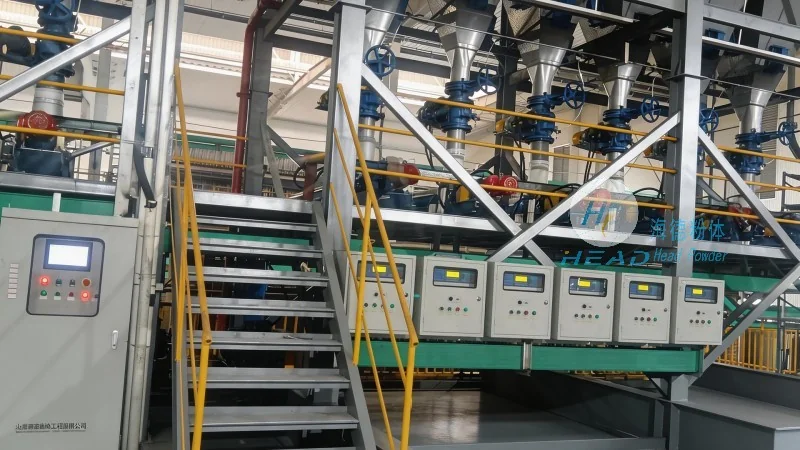
Concrete powder pneumatic conveying systems consist of several critical components, each playing a vital role in the overall operation. The hopper is the primary storage vessel, designed to hold the bulk material and provide a consistent feed to the system. The rotary valve or feeder regulates the material flow rate, preventing overfeeding or underfeeding that could lead to system inefficiencies. The blower or compressor generates the compressed air, which is the energy source for the conveying process. The conveying line, including bends and filters, ensures the material is transported without clogging and maintains air quality. The receiver collects the discharged material, often equipped with a discharge valve to control the final output. Each component is engineered to withstand the demands of concrete powders, which can be abrasive and corrosive, ensuring long-term durability and reliability.
Advantages of Using Pneumatic Conveying for Concrete Powders
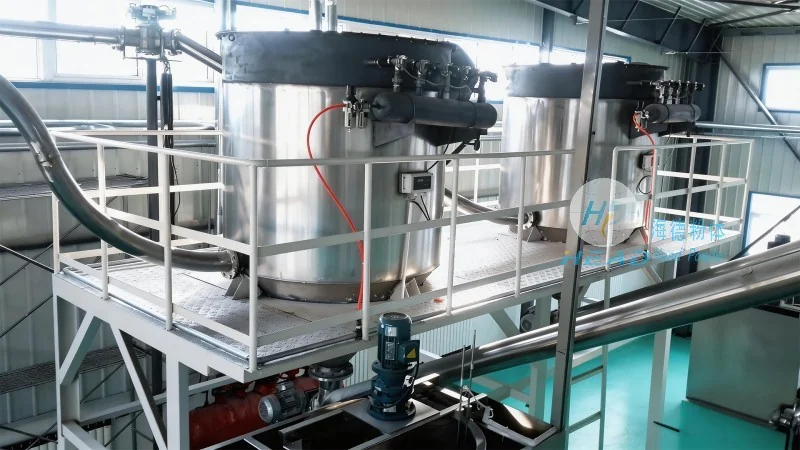
Implementing pneumatic conveying systems for concrete powders offers several advantages over traditional methods such as belt conveyors or manual handling. First, these systems eliminate the need for mechanical contact with the material, reducing wear and tear on equipment and minimizing the risk of contamination. Second, pneumatic conveying allows for flexible and space-saving layouts, as the conveying line can be installed vertically or horizontally, adapting to the constraints of the construction site. Third, the technology provides consistent and reliable material flow, ensuring that the concrete mix is prepared with the correct proportions of cementitious materials. Additionally, pneumatic conveying reduces labor costs by automating the material handling process and minimizing the need for manual intervention. These benefits make concrete powder pneumatic conveying equipment an essential tool for modern construction projects, enhancing efficiency and productivity.