

Operation Process and Working Principle of Urea Material Conveying Lines
Urea, a widely used nitrogen fertilizer, is essential for agricultural productivity and industrial applications. The seamless transportation of urea from production facilities to storage or distribution centers is a critical aspect of supply chain management. This article delves into the operation process and working principle of urea material conveying lines, outlining the key components, operational steps, and the importance of system reliability in maintaining efficient material handling.
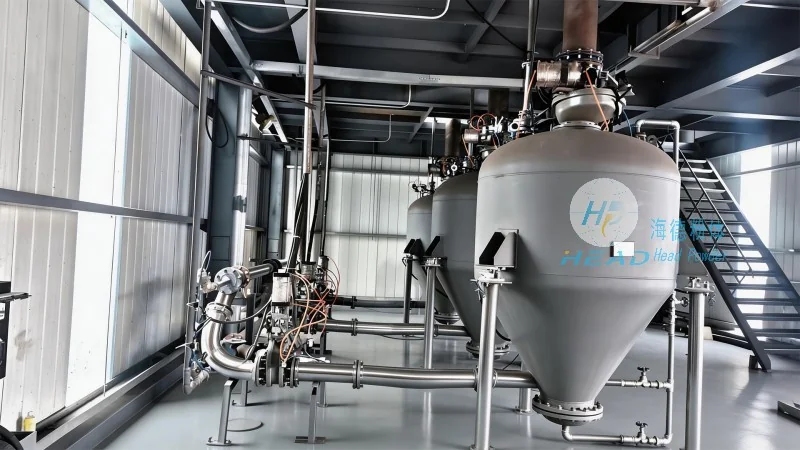
Key Components of the Urea Conveying System
The urea material conveying line is a complex system composed of several interconnected parts designed to handle urea safely and effectively. These components typically include feed hoppers, conveyor mechanisms (such as belt or screw conveyors), pneumatic transport systems, and a centralized control panel. Each component serves a specific function, working in harmony to ensure the smooth movement of urea through the entire system.
Working Principle of the Conveying Process
The working principle of a urea material conveying line involves the sequential transfer of urea from its initial source to the final destination. The process begins with the material being loaded into a feed hopper, where it is stored until it is ready for transport. From the hopper, the urea is transferred to a primary conveyor system, which may be a belt conveyor for bulk material or a screw conveyor for more precise control. For fine urea powders, a pneumatic conveying system may be employed, utilizing air pressure to move the material through pipelines. The control panel monitors and regulates the flow rate, pressure, and temperature, ensuring consistent and controlled movement of urea throughout the line.
Operation Process: Step-by-Step Guide
The operation of a urea material conveying line follows a systematic sequence to ensure optimal performance and minimal downtime. The key steps involved in the process are as follows:
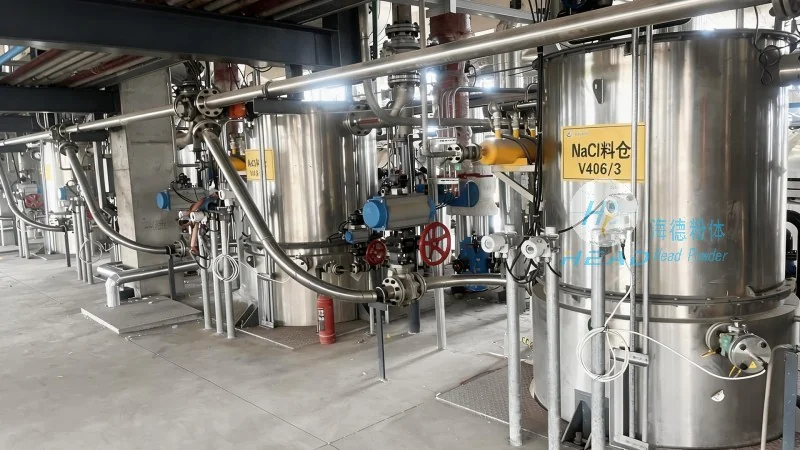
1. Material Loading: Urea is loaded into the feed hopper from the production or storage silos. The hopper is designed to accommodate bulk quantities and maintain a stable material flow, preventing clogging or uneven distribution.
2. Initial Transfer: The material is then transferred from the hopper to the primary conveyor system. This step may involve a screw conveyor, which rotates to push the urea forward, or a belt conveyor, which uses friction to move the material along the path.
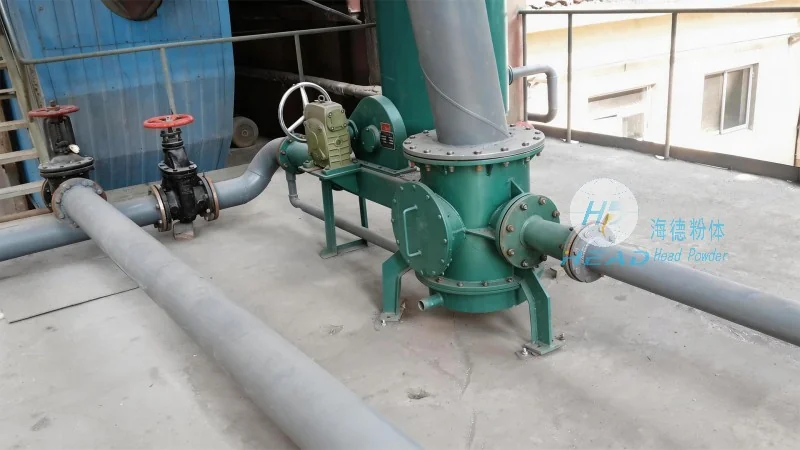
3. Pneumatic Transport (if applicable): For fine urea powders, a pneumatic conveying system is utilized. This system uses compressed air to create a flow that transports the material through a pipeline, ensuring minimal dust generation and efficient movement.
4. Control and Monitoring: The control panel continuously monitors the system's performance, including flow rate, pressure, and temperature. Real-time adjustments are made to maintain optimal operating conditions, preventing blockages, overloading, or other issues that could disrupt the process.
5. Discharge and Storage: The urea is discharged into the final storage tanks or delivery trucks. The system ensures accurate and controlled discharge, minimizing spillage and ensuring the material is ready for distribution.