

Operation Process and Working Principle of Cotton Seed Material Conveying Lines
For industries dealing with cotton seed processing, efficient material handling is crucial to maintain production efficiency and ensure consistent quality. The cotton seed material conveying line is a specialized system designed to transport cotton seeds and related byproducts from one processing stage to another. This article will explore the operation process and working principles of such a line, highlighting key components and the technical aspects that enable smooth material flow.
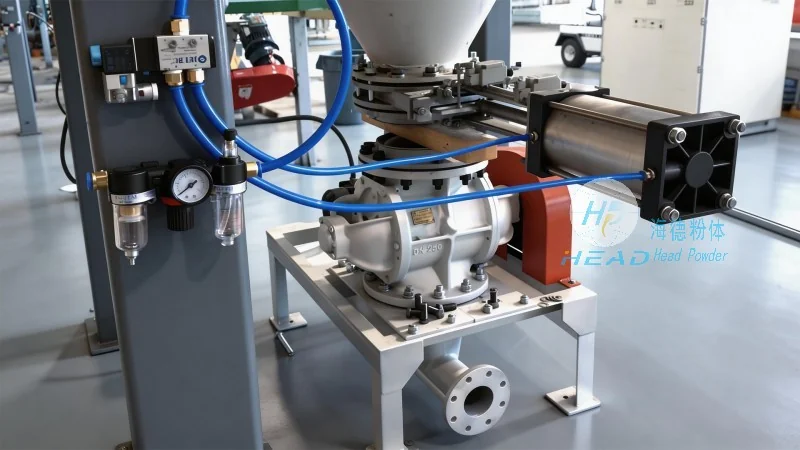
About HeadPowder Engineering
HeadPowder, a leading manufacturer in the field of material handling equipment, specializes in providing customized solutions for various industrial applications. With a strong presence in Shandong, China, the company has built a reputation for delivering high-quality, reliable conveying systems tailored to meet the specific needs of clients in the agricultural and food processing sectors. The company’s commitment to innovation and customer satisfaction has positioned it as a trusted partner for businesses seeking efficient and durable cotton seed processing equipment.
Key Components of the Cotton Seed Conveying Line
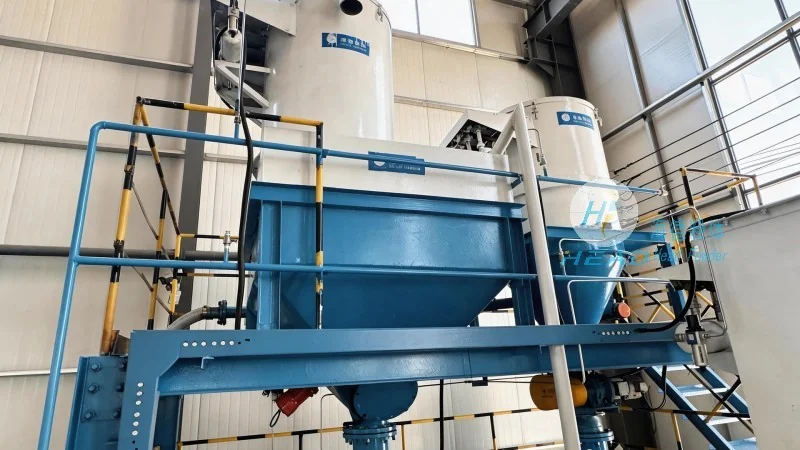
The cotton seed material conveying line typically consists of several interconnected components that work in harmony to ensure the seamless transport of materials. These components include feed hoppers, conveyor belts or screw conveyors, transfer points, control systems, and discharge mechanisms. Each component plays a vital role in the overall operation, and their proper integration is essential for optimal performance.
Operation Process of the Cotton Seed Conveying Line
The operation of a cotton seed material conveying line begins with the loading of raw cotton seeds into the feed hopper. The hopper is designed to store and regulate the flow of seeds, preventing overloading and ensuring a steady supply to the conveyor system. Once the seeds are in the hopper, an electric motor drives the conveyor mechanism, which can be a belt conveyor or a screw conveyor depending on the specific design. The conveyor then transports the seeds along the designated path, moving them from the intake point to the discharge point. At transfer points, the system may use a series of pulleys or rotary valves to redirect the material flow, ensuring that the seeds are directed to the next processing stage without interruption. The control system monitors the entire process, adjusting the speed and flow rate as needed to maintain consistent operation and prevent blockages or overloading.
Working Principles of the Cotton Seed Conveying Line
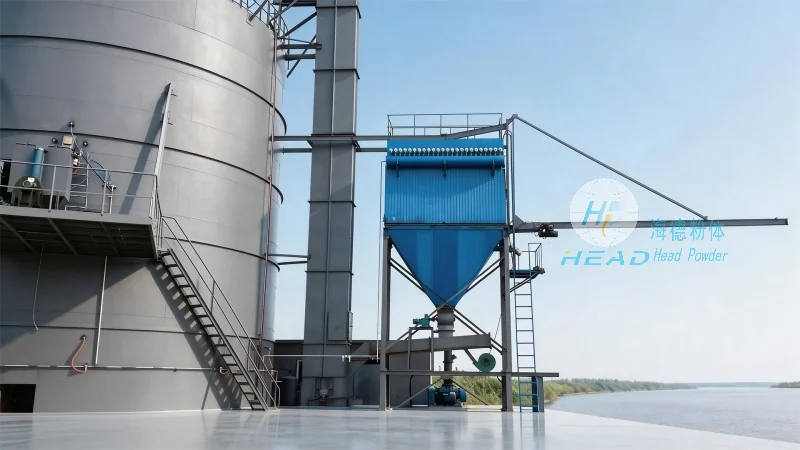
The working principle of the cotton seed material conveying line is based on mechanical energy transfer and material flow dynamics. The system relies on the force generated by the motor to drive the conveyor mechanism, which then moves the seeds through the system. The design of the conveyor, such as the angle of the belt or the pitch of the screw, affects the speed and efficiency of material transport. For example, a belt conveyor with a slight incline can use gravity to assist in moving the seeds, reducing the energy required from the motor. The control system uses sensors and feedback mechanisms to monitor parameters like temperature, pressure, and flow rate, ensuring that the system operates within safe and optimal conditions. Additionally, the system may incorporate features like dust collection and material separation to maintain cleanliness and prevent contamination, which is critical for maintaining the quality of the final product.
Applications and Advantages of the Cotton Seed Conveying Line
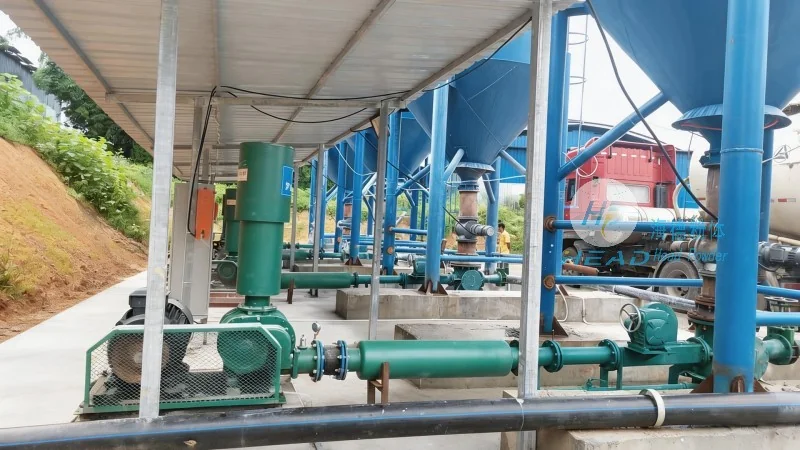
The cotton seed material conveying line is widely used in various stages of cotton seed processing, including cleaning, drying, and oil extraction. Its ability to handle large volumes of material efficiently makes it ideal for high-throughput production lines. The system’s design allows for easy integration with other processing equipment, such as crushers or presses, enabling a seamless flow of materials from one stage to the next. The advantages of using a conveyor line include increased productivity, reduced labor costs, improved safety by minimizing manual handling, and enhanced product quality through consistent material flow. Additionally, the modular design of the system allows for easy maintenance and replacement of components, reducing downtime and maintenance costs for the end-user.
Conclusion
The cotton seed material conveying line is a critical component in modern cotton seed processing facilities, enabling efficient and reliable material handling. By understanding the operation process and working principles of such a system, businesses can optimize their production processes, improve efficiency, and maintain product quality. HeadPowder Engineering, with its expertise in material handling equipment, continues to provide high-quality conveying solutions that meet the evolving needs of the industry, ensuring that clients can achieve their production goals with minimal downtime and maximum efficiency.