

Operation Process and Working Principle of Tea Material Conveying Lines
Tea material conveying lines are essential equipment in the modern tea processing industry, designed to efficiently transport various types of tea leaves and related materials from one processing stage to another. The operation process and working principle of these systems are crucial for ensuring high productivity, maintaining product quality, and optimizing the overall workflow in tea factories. This article provides a detailed overview of how tea material conveying lines function, from initial material intake to final discharge, while highlighting the key components and operational mechanisms involved. The systems are typically engineered and manufactured by Shandong HeadPowder Engineering Co., Ltd., a leading company in the tea processing equipment industry based in Shandong, China.
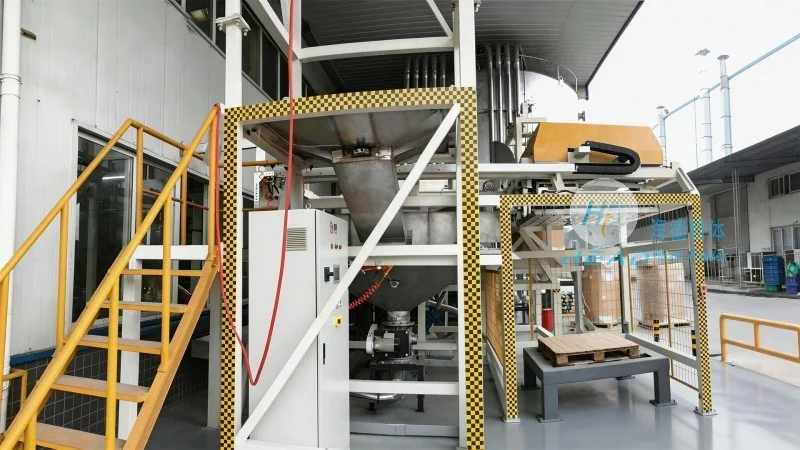
Overview of Tea Material Conveying Lines
Tea material conveying lines typically consist of a series of interconnected components, including feeders, conveyors, elevators, and storage hoppers. These components work in tandem to move tea leaves and other materials through the processing stages, such as withering, rolling, drying, and sorting. The design of the conveying line is tailored to the specific requirements of the tea processing plant, considering factors like the type of tea being produced, the volume of material to be handled, and the available space in the facility. The system is engineered to minimize material loss, prevent contamination, and ensure consistent material flow throughout the entire process.
Key Components and Their Functions
The core components of a tea material conveying line include feeders, which are responsible for evenly distributing the incoming tea leaves into the conveyor system. There are different types of feeders, such as belt feeders or screw feeders, each suited to specific material characteristics and processing needs. The conveyors, which may be belt conveyors, chain conveyors, or pneumatic conveyors, are responsible for transporting the tea leaves horizontally or vertically. Elevators, often in the form of bucket elevators or screw conveyors, are used to lift the tea leaves to higher levels or to different processing areas. Storage hoppers are used to temporarily hold the tea leaves before they are transferred to the next stage, ensuring a steady supply of material to the processing equipment.
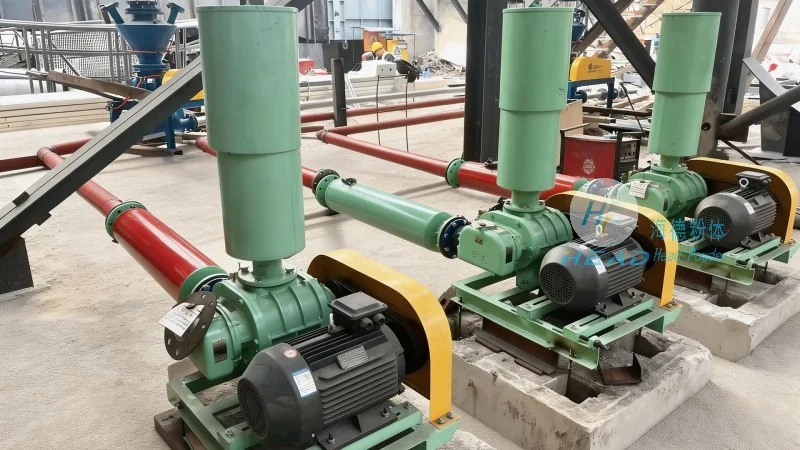
Operation Process of Tea Material Conveying Lines
The operation process of a tea material conveying line begins with the intake of raw tea leaves from the field or storage area. The leaves are then fed into the system via a feeder, which ensures a uniform flow of material into the conveyor. The conveyor then transports the leaves to the next processing stage, such as a withering machine or a rolling machine. The system may include multiple conveyors and elevators to move the leaves through different levels of the processing plant. At each stage, the leaves are processed according to the specific requirements of the tea type being produced. For example, in the drying stage, the leaves are moved through a dryer, and the conveyor system ensures that the leaves are evenly distributed and dried to the desired moisture content. After processing, the leaves are transferred to a sorting or packaging area, where they are prepared for final distribution.
Working Principle of the Conveying System
The working principle of a tea material conveying line is based on the continuous movement of the tea leaves through the system, driven by the conveyor components. The feeders ensure that the material is evenly distributed, preventing blockages or uneven flow. The conveyors use mechanical or pneumatic forces to move the leaves along the system, with the speed and direction of the movement controlled by the processing requirements. The elevators use gravity or mechanical power to lift the leaves vertically, allowing for efficient movement between different levels of the processing plant. The storage hoppers act as buffer tanks, ensuring that the material flow is consistent and uninterrupted, even if there are temporary delays in the processing stages. The entire system is typically controlled by a programmable logic controller (PLC), which monitors the flow of material and adjusts the speed of the conveyors and elevators as needed to maintain optimal performance.
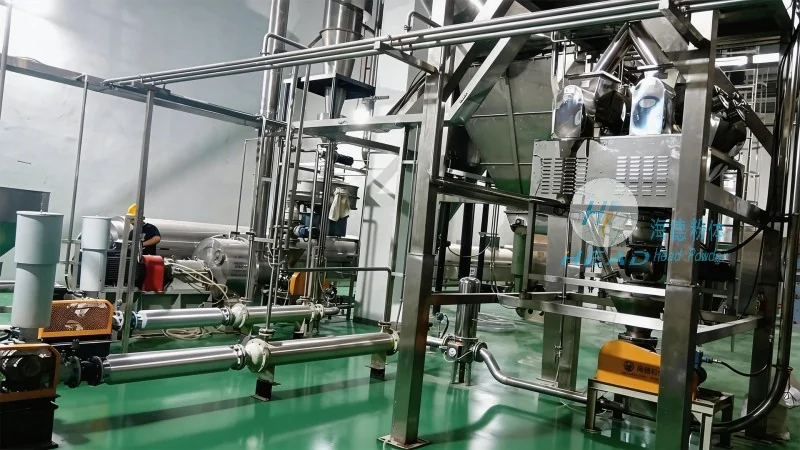
Benefits of Using Tea Material Conveying Lines
Tea material conveying lines offer several benefits to tea processing plants, including increased efficiency, improved product quality, and reduced labor costs. The automated system minimizes the need for manual handling of tea leaves, reducing the risk of damage or contamination. The consistent flow of material ensures that the processing equipment operates at optimal levels, leading to higher productivity and better product consistency. The system also reduces material loss and waste, as the leaves are handled gently and efficiently throughout the process. Additionally, the modular design of the conveying line allows for easy expansion or modification as the processing plant grows or changes its production requirements.
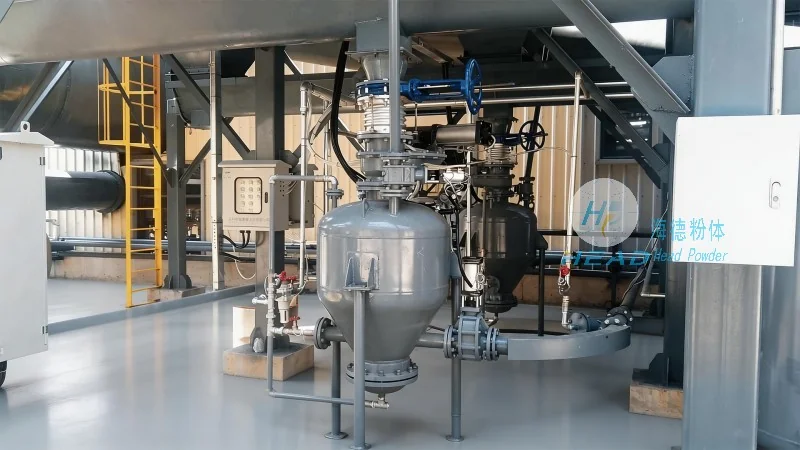
Maintenance and Safety Considerations
Maintaining the proper operation of a tea material conveying line is essential for ensuring its longevity and performance. Regular maintenance, including cleaning of the conveyors and feeders, checking for wear and tear on components, and lubricating moving parts, is necessary to prevent breakdowns and ensure smooth operation. Safety considerations are also critical, as the conveying system involves moving parts and potentially heavy loads. Proper safety guards and emergency stop mechanisms should be installed to protect operators from injury. Additionally, the system should be inspected regularly for any signs of wear or damage, and any issues should be addressed promptly to prevent accidents or equipment failure.
Conclusion
Tea material conveying lines are a vital part of modern tea processing, providing efficient and reliable transportation of tea leaves and related materials through the various processing stages. The operation process and working principle of these systems are designed to optimize productivity, maintain product quality, and ensure a smooth workflow in tea factories. By understanding the key components and operational mechanisms of the conveying line, tea processing plants can effectively manage their material flow and improve overall performance. As the tea industry continues to evolve, the use of advanced conveying systems will remain essential for maintaining competitiveness and meeting the demands of the market.