

Operation Process and Working Principle of Sugar Conveying Lines
For the efficient handling and transportation of sucrose materials in industrial settings, sugar conveying lines play a crucial role. These systems are designed to ensure the smooth and safe movement of raw or processed sugar from storage to processing units, or between different stages of production. The operation process and working principle of such lines are integral to maintaining productivity and operational efficiency in sugar processing facilities.
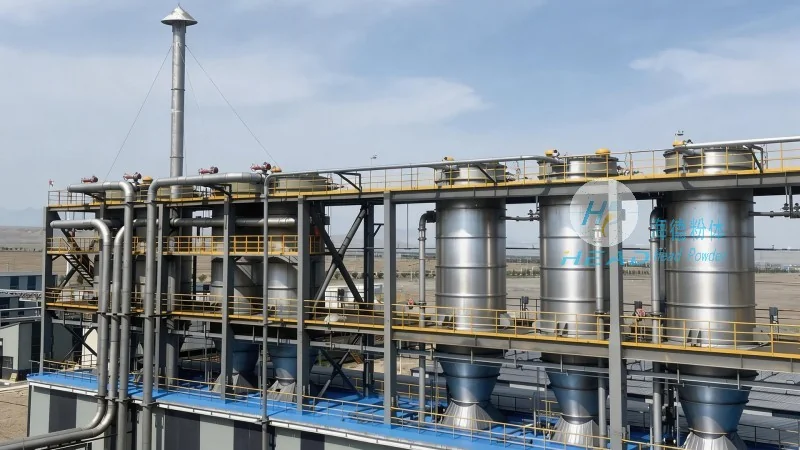
Company Introduction: Shandong HeadPowder Engineering Co., Ltd.
HeadPowder, a leading engineering firm based in Shandong, China, specializes in the design, manufacturing, and installation of advanced material handling systems. With a strong commitment to quality and innovation, the company has established itself as a trusted partner in the sugar industry, providing tailored solutions that meet the unique demands of sugar processing operations. The company’s headquarters and primary operations are located in Shandong, China, where it leverages local expertise and resources to deliver high-performance conveying lines for sugar and other bulk materials.
Overview of Sugar Conveying Lines
Sugar conveying lines typically consist of a series of interconnected components, including hoppers, feeders, conveyor belts or buckets, and control systems. These components work in tandem to transport sugar from its source to the desired destination, whether it be a storage silo, a processing machine, or a packaging area. The design of the conveying line is tailored to the specific characteristics of the sugar, such as its granule size, moisture content, and flowability, ensuring optimal performance and minimal material loss.
Operation Process of Sugar Conveying Lines
The operation of a sugar conveying line begins with the loading of sugar into the inlet hopper. The hopper is equipped with a feeder, which regulates the flow of sugar into the conveyor system. As the feeder operates, the sugar is fed into the conveyor, which then transports it along the designated path. The conveyor may be a belt conveyor, a bucket elevator, or a screw conveyor, depending on the application and the physical properties of the sugar. The speed and direction of the conveyor are controlled by an automated system, which ensures that the sugar is moved at a consistent rate and without interruption.
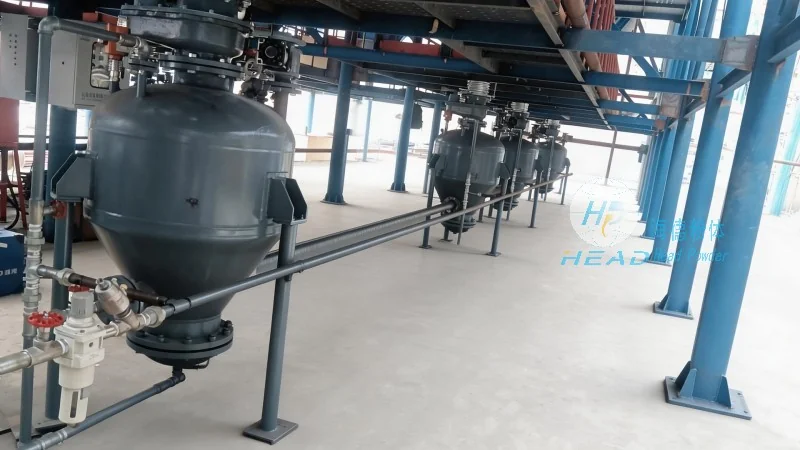
During the conveying process, the system monitors key parameters such as flow rate, pressure, and temperature to maintain optimal conditions. Sensors are integrated into the line to detect any blockages or abnormalities, triggering automatic alerts or corrective actions to prevent downtime. The control system also allows for remote monitoring and adjustment, enabling operators to manage the conveying process from a central control room.
Working Principle of Sugar Conveying Lines
The working principle of sugar conveying lines is based on the mechanical transfer of bulk material through a series of components. The feeder provides a controlled discharge of sugar into the conveyor, which then uses mechanical energy to move the material forward. Belt conveyors utilize friction between the belt and the sugar to pull the material along, while bucket elevators use rotating buckets to lift and transport the sugar vertically. Screw conveyors, on the other hand, rely on the rotation of a screw to push the sugar through the system.
The entire system is powered by an electric motor, which drives the conveyor mechanism. The motor’s speed can be adjusted to control the conveying rate, allowing for flexibility in handling different quantities of sugar. The control system coordinates the operation of all components, ensuring that the conveyor runs smoothly and efficiently. This integrated approach to material handling minimizes the risk of material degradation, such as caking or agglomeration, which can occur if the sugar is not handled properly.
Key Features and Benefits of Sugar Conveying Lines
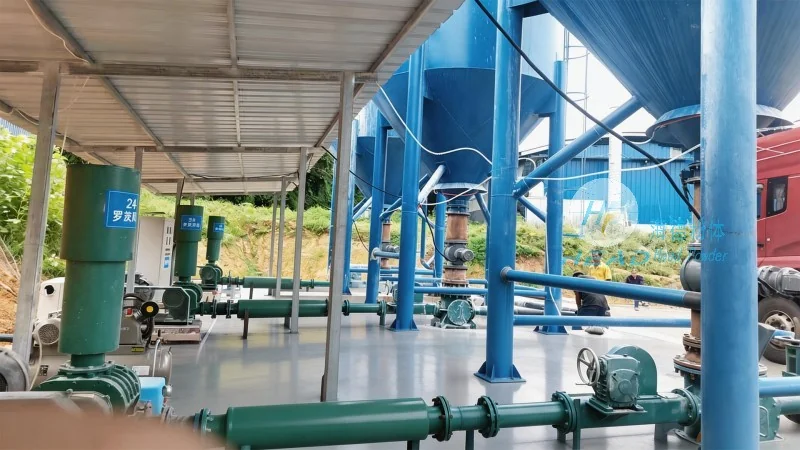
Sugar conveying lines designed by HeadPowder Engineering Co., Ltd. offer several key features that enhance operational performance. These include high capacity and low maintenance requirements, ensuring that the system can handle large volumes of sugar without frequent downtime for repairs. The systems are also equipped with advanced control technologies, such as PLC (Programmable Logic Controller) systems, which provide precise control over the conveying process and enable remote monitoring and diagnostics.
Another significant benefit is the ability to customize the conveying line to meet specific operational needs. Whether the goal is to transport sugar from a storage silo to a processing machine or to move it between different stages of production, the system can be configured to meet the requirements. This flexibility allows sugar processing facilities to optimize their workflow and improve overall efficiency.
Conclusion
In conclusion, the operation process and working principle of sugar conveying lines are critical to the efficient and safe handling of sucrose materials in industrial settings. With advanced engineering and design, these systems ensure that sugar is transported with minimal loss and degradation, while maintaining high operational efficiency. As a leading provider of material handling solutions, Shandong HeadPowder Engineering Co., Ltd. continues to innovate and provide tailored conveying lines that meet the evolving needs of the sugar industry.