

Operation Process and Working Principle of Cement Auxiliary Material Conveying System
HeadPowder, a leading provider of industrial conveying solutions, specializes in the design, manufacturing, and installation of cement auxiliary material conveying systems. Based in Shandong, China, the company has established itself as a trusted partner for cement plants and construction material manufacturers seeking reliable and efficient material handling solutions. This article delves into the operation process and working principle of such systems, highlighting their critical role in modern cement production and material processing.
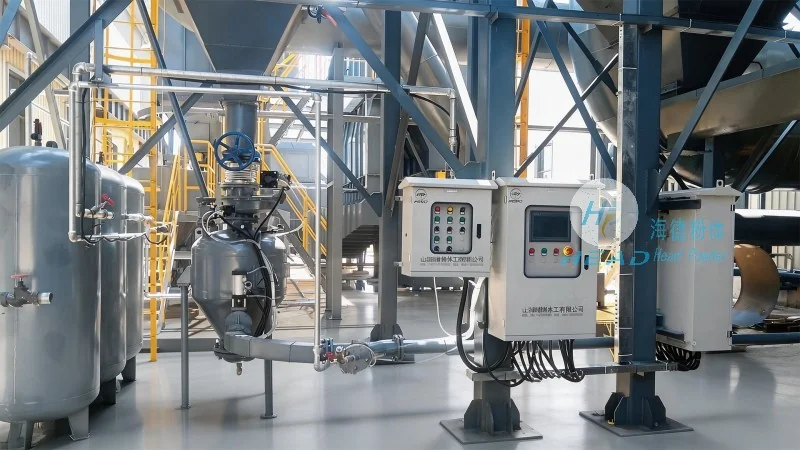
Introduction to the Cement Auxiliary Material Conveying System
Cement auxiliary material conveying systems are essential infrastructure in cement manufacturing facilities, responsible for transporting raw materials like limestone, clay, iron ore, and gypsum from storage silos or quarries to the grinding and mixing stages. These systems ensure a continuous and controlled flow of materials, which is crucial for maintaining production efficiency and product quality. The systems typically consist of a combination of equipment, including feeders, conveyors, elevators, and control panels, all integrated to work in harmony.
Key Components and Their Roles
The core components of a cement auxiliary material conveying system include bulk material feeders, screw conveyors or belt conveyors, vertical elevators (such as bucket elevators or chain conveyors), and a central control system. Each component plays a specific role in the material handling process:
1. **Bulk Material Feeders**: These devices, such as rotary valves or star feeders, regulate the flow of raw materials from storage silos into the conveyor system. They ensure a consistent feed rate, preventing overloading or underfeeding that could disrupt the entire process.
2. **Conveyors**: Horizontal or inclined conveyors transport materials horizontally or at a slight angle. Screw conveyors are commonly used for fine powders and granular materials, while belt conveyors handle larger bulk materials with higher throughput.
3. **Vertical Elevators**: These components lift materials vertically, often using bucket elevators or chain conveyors, to move materials from lower to higher levels within the plant. Vertical elevators are critical for connecting different stages of the production line, such as moving raw materials from ground-level storage to the top of the grinding mill.
4. **Control System**: An automated control panel monitors and regulates the operation of all components. It adjusts feed rates, conveyor speeds, and elevator movements based on real-time production demands, ensuring optimal performance and minimizing downtime.
The Operation Process: Step-by-Step Workflow
The operation of a cement auxiliary material conveying system follows a systematic workflow that ensures seamless material transfer. The process typically begins with the raw materials being stored in silos or stockpiles. Here’s a detailed breakdown of the steps involved:
1. **Material Storage and Preparation**: Raw materials are stored in large silos or open stockpiles. The materials are then prepared by screening or crushing to achieve the desired particle size for efficient conveying.
2. **Feeding from Silos**: Bulk material feeders draw materials from the silos and feed them into the horizontal conveyor. The feeders regulate the flow rate to match the processing capacity of the downstream equipment.
3. **Horizontal Conveying**: The horizontal conveyor transports the materials from the silos to the vertical elevator or the grinding mill. The conveyor speed is adjusted to maintain a steady flow, preventing material buildup or spillage.
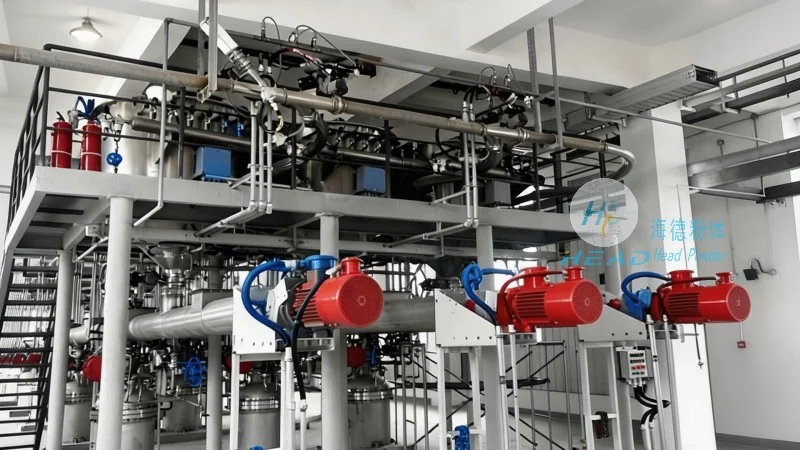
4. **Vertical Lifting**: The vertical elevator lifts the materials from the horizontal conveyor to the upper level of the plant. This step is crucial for connecting different levels of the production line, ensuring that materials reach the grinding and mixing stages.
5. **Distribution to Grinding Mill**: The materials are then distributed to the grinding mill or the raw mill. The control system ensures that the materials are fed at the correct rate to maintain the grinding efficiency and product quality.
Working Principle: How the System Transfers Materials Efficiently
The working principle of a cement auxiliary material conveying system is based on mechanical energy and gravity, with the control system optimizing the entire process. The system operates by using different types of conveyors to move materials from one point to another, while the control panel adjusts the parameters to maintain efficiency. The key principles include:
1. **Mechanical Conveying**: The system uses mechanical forces, such as the rotation of screws or the movement of belts, to move materials. This method is reliable and can handle a wide range of materials, from fine powders to large granules.
2. **Gravity Assisted Movement**: In some cases, the system utilizes gravity to assist in material movement, especially in vertical elevators. The design of the elevator ensures that materials are lifted efficiently with minimal energy consumption.
3. **Controlled Flow Regulation**: The control system monitors the flow rate, pressure, and temperature of the materials. It adjusts the speed of the conveyors and feeders to maintain a consistent flow, preventing overloading or underfeeding that could lead to equipment damage or production delays.
4. **Integration with Production Line**: The conveying system is integrated with the entire cement production line, ensuring that materials are delivered to the grinding and mixing stages at the right time and in the right quantity. This integration is critical for maintaining the production schedule and product quality.
Technical Specifications and Performance Metrics
HeadPowder’s cement auxiliary material conveying systems are designed to meet the specific requirements of cement plants, with technical specifications tailored to the type and quantity of materials being handled. Key performance metrics include:
1. **Capacity**: The system’s capacity ranges from 50 to 2000 tons per hour, depending on the conveyor type and size. This ensures that the system can handle the production demands of different plant sizes.
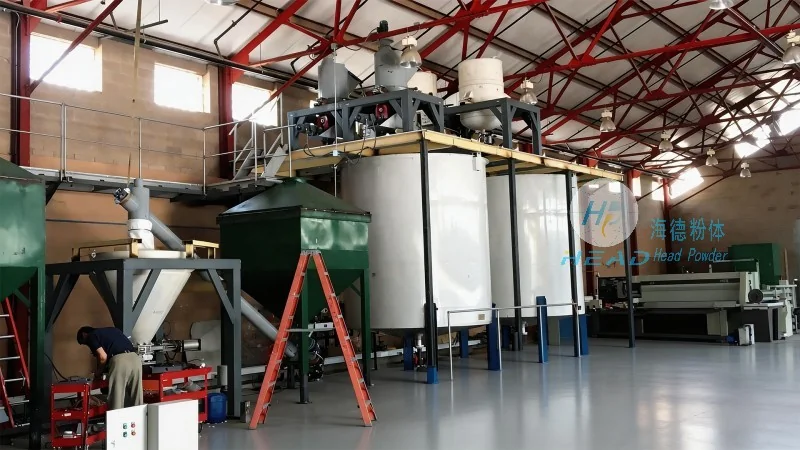
2. **Material Handling Range**: The system can handle a wide range of materials, including limestone, clay, iron ore, gypsum, and other raw materials used in cement production. The materials can be in various forms, such as powders, granules, or lumps.
3. **Efficiency and Energy Consumption**: The system is designed to be energy-efficient, with low power consumption and high material throughput. The use of efficient conveyors and control systems minimizes energy costs and reduces the environmental impact of the plant.
4. **Durability and Maintenance**: The components are made of high-quality materials, such as stainless steel and wear-resistant alloys, to withstand the harsh conditions of cement production. The system is designed for easy maintenance, with accessible components and regular maintenance schedules to minimize downtime.
Application Scenarios and Industry Benefits
Cement auxiliary material conveying systems are widely used in cement manufacturing plants, construction material factories, and other industries that require bulk material handling. The benefits of using such systems include:
1. **Increased Production Efficiency**: The continuous and controlled flow of materials ensures that the production line operates at optimal efficiency, reducing downtime and increasing output.
2. **Improved Product Quality**: The consistent feed rate and material handling ensure that the raw materials are processed uniformly, leading to higher quality cement products.
3. **Reduced Labor Costs**: The automated control system reduces the need for manual labor, lowering labor costs and improving workplace safety.
4. **Enhanced Safety**: The system is designed with safety features, such as emergency stop buttons and protective guards, to prevent accidents and ensure the safety of workers.
5. **Environmental Compliance**: The system is designed to minimize dust emissions and noise pollution, complying with environmental regulations and reducing the plant’s environmental impact.
HeadPowder, with its headquarters in Shandong, China, provides comprehensive solutions for cement auxiliary material conveying systems, including design, manufacturing, installation, and after-sales support. The company’s expertise in industrial conveying systems ensures that clients receive reliable and efficient solutions tailored to their specific needs. By investing in a high-quality conveying system, cement plants can enhance their production efficiency, improve product quality, and reduce operational costs.